| Introduction
Exploring New Pathways in Cancer Treatment: Where Precision Meets Compassion
——An Interview with Professor Xiang Qide, Expert in International Minimally Invasive Cancer Therapies
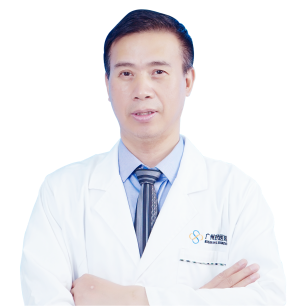
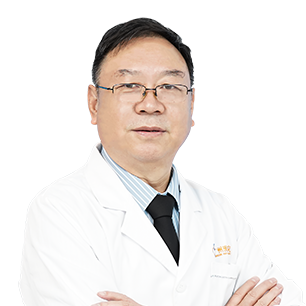
In the relentless pursuit of advancing cancer care, one visionary physician stands out. For over three decades, he has championed a powerful fusion of personalized medicine and minimally invasive techniques, setting new standards in oncology. A cornerstone of Modern Cancer Hospital Guangzhou and an esteemed member of the Chinese Society of Clinical Oncology (CSCO), this is Professor Xiang Qide—a master of minimally invasive oncology, renowned for uniting deep expertise with profound compassion.

(Professor Xiang Qide)
Three Decades of Mastery: From Clinical Excellence to Disciplinary Leadership
For over three decades, Professor Xiang Qide has dedicated his career to the clinical practice of medical oncology. Remaining at the forefront of patient care, he has not only accumulated vast experience but has also developed a unique treatment philosophy. His journey mirrors the monumental shift in China's approach to systemic cancer therapy, guiding it from reliance on individual experience toward the establishment of standardized, evidence-based protocols.
In treating prevalent cancers such as lung, breast, gastric, liver, and colorectal cancer, he is championing the integration of personalized care with rigorous evidence-based medicine to implement true precision oncology. Furthermore, in the realm of bronchoscopic diagnosis and interventional therapy, his profound clinical expertise consistently turns the tide for even the most challenging cases.

Reflecting on his career, Professor Xiang Qide identifies three fundamental paradigm shifts that have defined his approach: “The Nutritional Paradigm Shift, Rediscovering Chemotherapy, and The Rise of Minimally Invasive Intervention.”
The Nutritional Paradigm Shift:From “Feeding the Tumor” to “Fueling the Fight”. Professor Xiang championed a radical shift: Recognizing scientific nutrition not as a risk, but as a fundamental prerequisite for treatment success. He powerfully affirms: “Your body is your strongest ally in this battle. We must fortify it to win.”
Rediscovering Chemotherapy:Through extensive clinical research, Professor Xiang Qide has validated that chemotherapy is far from obsolete. Instead, it has been reimagined as a pivotal force, synergizing with immunotherapy and targeted drugs to “reduce toxicity and enhance efficacy.” The key lies in its intelligent integration and optimized application—making it a smarter, more powerful weapon than ever before.
The Rise of Minimally Invasive Intervention:From bronchoscopy and perfusion therapy to thermal ablation and particle implantation, Professor Xiang Qide has pioneered the powerful concept of “Personalized Integration + Minimally Invasive Intervention”. This sophisticated approach is creating pivotal new treatment pathways for patients with advanced-stage cancer.
“Every evolution in our thinking gives our patients another fighting chance,” Professor Xiang Qide reflects, capturing the very purpose behind his relentless pursuit of innovation.
Systemic Cancer Therapy: Where Science Meets the Human Touch
Cancer treatment is never a single choice, but a multidimensional strategy that demands a grand strategy encompassing disease staging, pathological typing, genetic testing, and the patient’s physical and psychological well-being.
In lung cancer treatment, Professor Xiang Qide emphasized that genetic testing is the cornerstone. “For patients with an EGFR mutation, targeted therapy alone can sometimes control the disease,” he stated. “When a patient’s condition allows, combining it with chemotherapy can create a powerful synergy where the combined effect surpasses that of either treatment alone.”
In the fight against breast cancer, Professor Xiang Qide pioneered novel combination chemotherapy regimens that successfully broke through the barrier of drug resistance. This approach not only significantly improved outcomes but also substantially reduced side effects, effectively reopening the door to hope for patients who had found themselves at a therapeutic dead end.
Yet for Professor Xiang Qide, what resonates more profoundly than any cold and hard data are the raw, human voices of his patients. A question once posed by a patient—“Doctor, what is the meaning of surviving a few more months if the treatment makes me wish I weren’t alive?”—struck him with the force of a hammer, plunging him into deep reflection. Since that pivotal moment, he has held an unwavering conviction: The goal of oncology is not merely to extend life, but to protect its quality. This quality encompasses not just physical comfort, but also a patient's inner dignity and peace. Consequently, he has intensified his focus in clinical practice on proactive side-effect management and comprehensive follow-up care. From nutritional support and psychological counseling to meticulous pain control, his mission is clear: To ensure that patients can continue to live with dignity and relative comfort, even as they battle their disease.

(Professor Xiang Qide: In His Element)
Minimally Invasive Interventions: A Window to Breath and Hope
In the field of bronchoscopic diagnosis and intervention, Professor Xiang Qide is deeply experienced. For patients with central lung cancer or severe breathing difficulties due to airway obstruction, minimally invasive intervention often serves as a critical lifeline—a decisive step that provides relief when it is needed most.
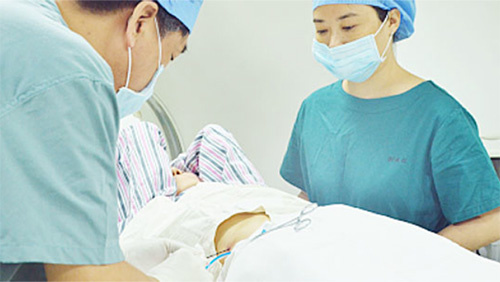
“Wherever our bronchoscope can reach, we can not only achieve a precise diagnosis but also implement therapeutic interventions simultaneously,” Professor Xiang Qide explained. “Untreated airway tumors can quickly lead to obstruction, atelectasis, and even suffocation, leaving patients too weak to tolerate subsequent chemo, immuno, or targeted therapies. However, through tumor resection and stent placement, we can rapidly clear the blockage and reinflate the lung, securing a precious window of opportunity for essential systemic treatments.”
He emphasized that minimally invasive intervention is not a replacement for systemic treatment, but a critical step to create a crucial window for it. “Many patients arrive already suffering from obstructive pneumonia. Without first resolving the airway issue, they are in no condition to tolerate definitive therapies like chemotherapy, immunotherapy, or targeted drugs,” he stated. “Interventional therapy paves the way for them to withstand the comprehensive treatments that follow.”
Professor Xiang Qide pointed to a compelling case: Mr. Chen Ximu, a nasopharyngeal cancer patient from Malaysia. Presenting with bilateral cervical lymph node metastases and a primary tumor (3.8*2.7cm) dangerously close to the brain, the risks of local treatment were exceptionally high. Professor Xiang and his team architected a precise and integrated minimally invasive protocol centered around interventional therapy. After just four months, CT scans revealed remarkable results: The nasopharyngeal tumor activity was eradicated, the primary lesion was essentially cleared, and the lymph node metastases had significantly regressed. This success story powerfully demonstrated the unique value of minimally invasive approaches in tackling complex and challenging cases.

(CT of Mr. Chen Ximu before treatment)

(CT of Mr. Chen Ximu after treatment)
“Minimally invasive technologies are never a replacement, but a vital complement and collaborator. They offer patients another option, another path forward,” affirmed Professor Xiang Qide.
Research Focus: Where Clinical Practice Meets Academic Innovation
Research is the fundamental engine that propels oncology forward. As a clinician deeply rooted at the bedside, Professor Xiang Qide knows this truth: “The goal of research is not publication, but the patient.” Its true value lies in translating breakthroughs into tangible standards of care, bringing better outcomes to all.

(Professor Xiang Qide: In Consultation)
A scholar-clinician deeply rooted in practice, Professor Xiang Qide has always championed the two-way drive between research and clinical application. To date, he has authored over 10 influential papers in leading national and provincial journals. His publications span prevalent cancers such as breast, gastric, and nasopharyngeal carcinoma, exploring evolving approaches in chemotherapy, immunotherapy, and integrated treatment modalities.
In the pivotal study Clinical Study on Short-Term Efficacy of Concurrent Chemoradiotherapy for Advanced Nasopharyngeal Carcinoma, Professor Xiang Qide's team delivered a practice-changing conclusion: Compared to radiotherapy alone, concurrent chemoradiotherapy significantly improves tumor regression rates, delays cancer recurrence, and demonstrates manageable side effects. This groundbreaking work has since evolved into the standard of care for advanced nasopharyngeal carcinoma, offering a critical therapeutic blueprint—particularly for Southeast Asia where this cancer prevalence poses a substantial health challenge.
“Research and clinical practice share a dynamic partnership: Unmet clinical needs fuel our scientific inquiry, and those discoveries must complete their journey back to the bedside, ultimately transforming patient lives.” — Professor Xiang Qide
A Global Vision: From Guangzhou to Southeast Asia and Beyond
Medicine knows no borders—and this is especially true in the fight against cancer, where global collaboration is paramount. While deeply dedicated to his clinical practice in China, Professor Xiang Qide has also expanded his influence onto the international stage. As an active member of the Chinese Society of Clinical Oncology (CSCO), he not only engages in domestic academic exchanges but has also been invited to deliver lectures in cities such as Bangkok and Jakarta. In these international forums, he engaged directly with local physicians, discussing cutting-edge treatment concepts and complex cases, while sharing the pioneering expertise in comprehensive minimally invasive therapy developed at Modern Cancer Hospital Guangzhou.

(Professor Xiang Qide: Sharing Expertise in Jakarta)
Through his engagements across Southeast Asia, Professor Xiang Qide keenly identified a critical pattern: Patients are often diagnosed at advanced disease stages. Due to varying economic conditions and healthcare infrastructures, acceptance of chemotherapy and immunotherapy can be limited, with a marked preference for minimally invasive options with faster recovery times. This regional need is precisely where Modern Cancer Hospital Guangzhou’s model of Personalized Minimally Invasive Comprehensive Therapy becomes uniquely relevant—offering a targeted, tolerable, and effective pathway to care.

(Professor Xiang Qide: Delivering Insights in Bangkok)
“Technology builds the bridge, but philosophy gives it soul.” For Professor Xiang Qide, bringing advanced expertise to Southeast Asia goes beyond merely introducing treatments—it's about instilling the core philosophy of “early screening, early diagnosis, and early treatment”, ultimately empowering more patients to benefit from timely and life-saving care.
In Professor Xiang Qide, we see the true embodiment of medical excellence: Rigorous expertise guided by profound compassion. He brings to life the highest ideal of medicine—“masterful skill with a heartfelt commitment”—becoming a beacon of hope for countless cancer patients and lighting the way toward life.
| Academic Papers
Short-Term Efficacy of S-1 Combined with Docetaxel in Advanced and Recurrent Gastric Cancer
Authors: XIANG Qide, QIN Shipeng, TAN Li and LIN Shaoding
Source: Chinese Journal of Geriatric Care, 2013, 11(06): 46-47
【Abstract】 Objective: To evaluate the short-term efficacy and adverse reactions of S-1 combined with docetaxel in treating advanced and recurrent gastric cancer. Conclusion: The S-1 plus docetaxel regimen demonstrated favorable short-term efficacy for advanced and recurrent gastric cancer, with manageable adverse effects, warranting further clinical investigation.
Clinical Study of Gemcitabine Combined with Cisplatin in the Treatment of Distant Metastases of Nasopharyngeal Carcinoma
Authors: AI Xiaohong and XIANG Qide
Source: Hainan Medical Journal, 2008, (05): 44-46
【Abstract】 Objective: To observe the clinical efficacy and adverse reactions of gemcitabine combined with cisplatin in the treatment of distant metastases of nasopharyngeal carcinoma. Conclusion: The gemcitabine plus cisplatin regimen demonstrates favorable efficacy and is well-tolerated in patients with distant metastases of nasopharyngeal carcinoma, warranting further clinical investigation.
5,4’-Di-n-octoxyl-7-gem-difluoromethylene-genistein Suppresses Growth and Induces Apoptosis in Human Breast Cancer Cells
Authors: ZHENG Fang, XIANG Qide, JIANG Hao, CAO Jianguo
Source: Journal of Jishou University (Natural Sciences), 2008, (02): 106-111
【Abstract】 Objective: To investigate the effect and mechanism of the genistein derivative 5,4’-Di-n-octoxyl-7-gem-difluoromethylene-genistein (DOdFMG) on inhibiting growth and inducing apoptosis in human breast cancer cell line MCF-7, with the aim of identifying promising candidate compounds for cancer therapy development. Conclusion: DOdFMG significantly inhibits proliferation and growth of MCF-7 human breast cancer cells. DOdFMG induces apoptosis in MCF-7 cells, potentially through molecular mechanisms involving inhibition of protein kinase CK2 and downregulation of NF-κB expression.
Clinical Study on Short-Term Efficacy of Concurrent Chemoradiotherapy for Advanced Nasopharyngeal Carcinoma
Authors: XIANG Qide and CAI Guixiang
Source: Journal of Modern Medicine & Health, 2006, (10): 1441-1442
【Abstract】 Objective: To observe the short-term efficacy of concurrent chemoradiotherapy in the treatment of advanced nasopharyngeal carcinoma, thereby facilitating improved clinical management of nasopharyngeal cancer. Conclusion: Concurrent chemoradiotherapy demonstrates superior short-term efficacy for advanced nasopharyngeal carcinoma, with manageable adverse effects within acceptable limits.








 2025-11-22
 Share
Share