Ovarian Cancer


Description


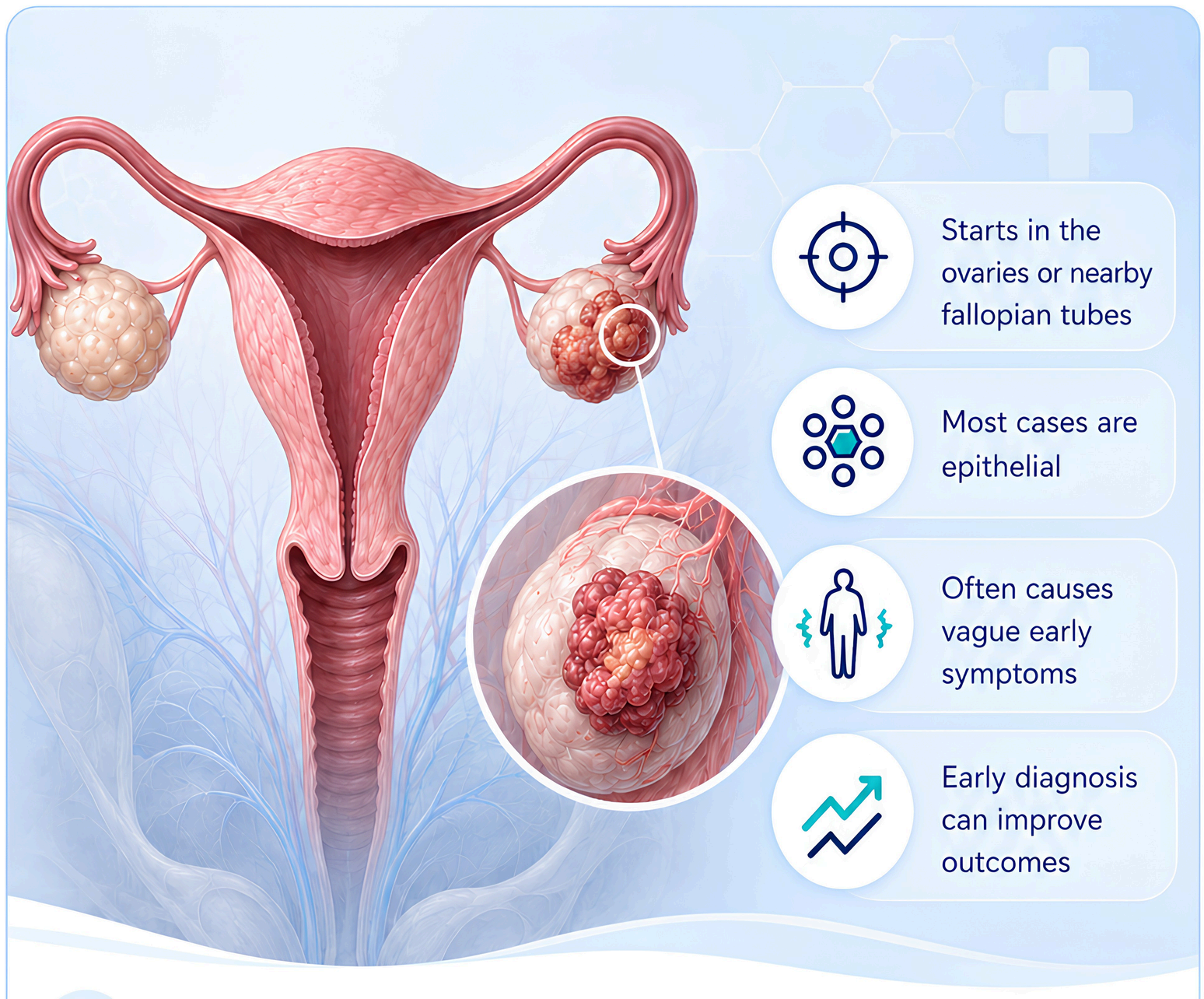
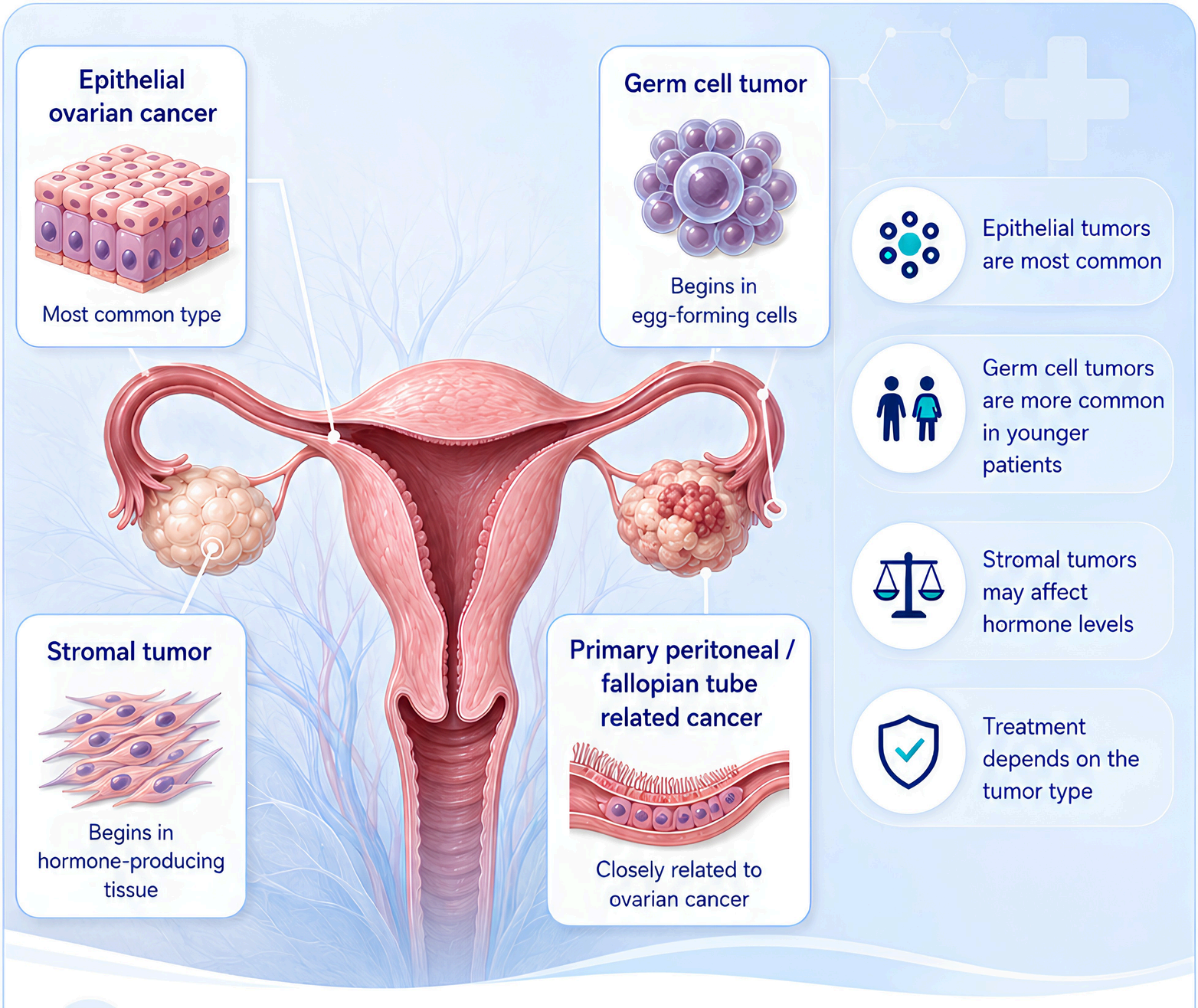
Ovarian cancer is a malignant tumour that develops in the ovaries, the ends of the fallopian tubes or related peritoneal tissue. The ovaries produce eggs and female hormones. The most common form is epithelial ovarian cancer, and some cases are now believed to begin in the end of a fallopian tube.
Early symptoms may be subtle and can be mistaken for indigestion, bloating or common gynaecological discomfort. Persistent or worsening abdominal bloating, pelvic pain, feeling full quickly or urinary frequency should be assessed. There is no routine screening test suitable for every woman at average risk, so people at high hereditary risk need individual specialist advice.


Types


  • Epithelial Ovarian Cancer: The most common group, including high-grade serous, endometrioid, clear cell and mucinous cancers.

  • Germ Cell Tumours:Rare tumours that usually occur in younger women and begin in egg-producing cells.

  • Sex Cord-Stromal Tumours:Begin in hormone-producing tissue and may cause menstrual or hormone-related symptoms.

  • Borderline Tumours:Contain abnormal cells but have lower invasive potential and differ from typical invasive ovarian cancer in treatment and outlook.


Stages


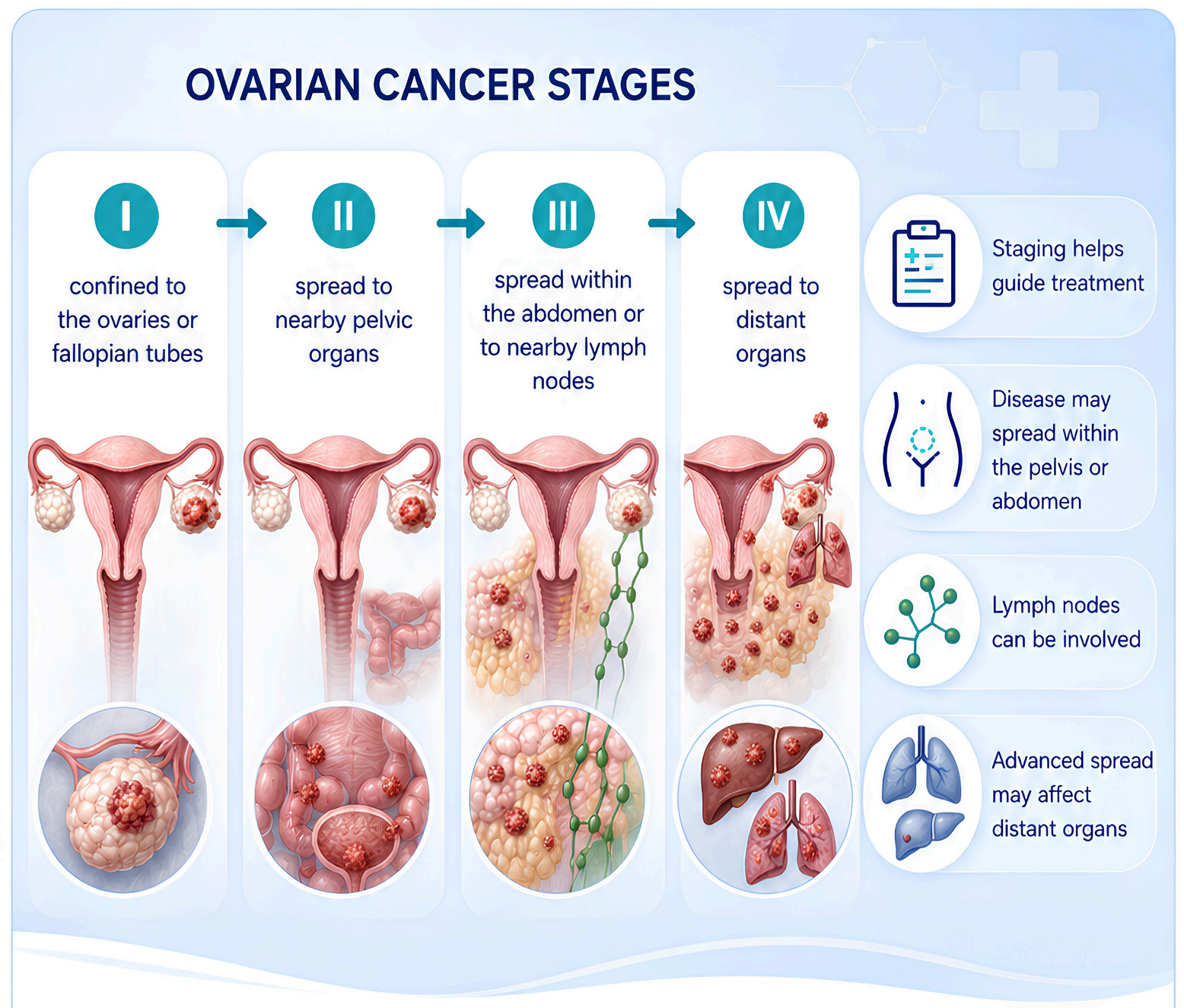
Ovarian cancer is usually staged using the FIGO system, based on surgery, imaging and pathological findings.

  • Stage I: Cancer is limited to one or both ovaries or fallopian tubes.

  • Stage II: Cancer has spread to other tissues or organs within the pelvis.

  • Stage III: Cancer has spread to the peritoneum, abdominal lymph nodes or abdominal tissue outside the pelvis.

  • Stage IV: Cancer has spread beyond the abdominal cavity to distant sites such as the chest, lungs, liver tissue or other organs.


Free Consultation
Patient's Name
Cancer type
Phone number/Whatsapp
Age
Email
Medical reports
Upload report (optional)
Contact us


Risk Factors


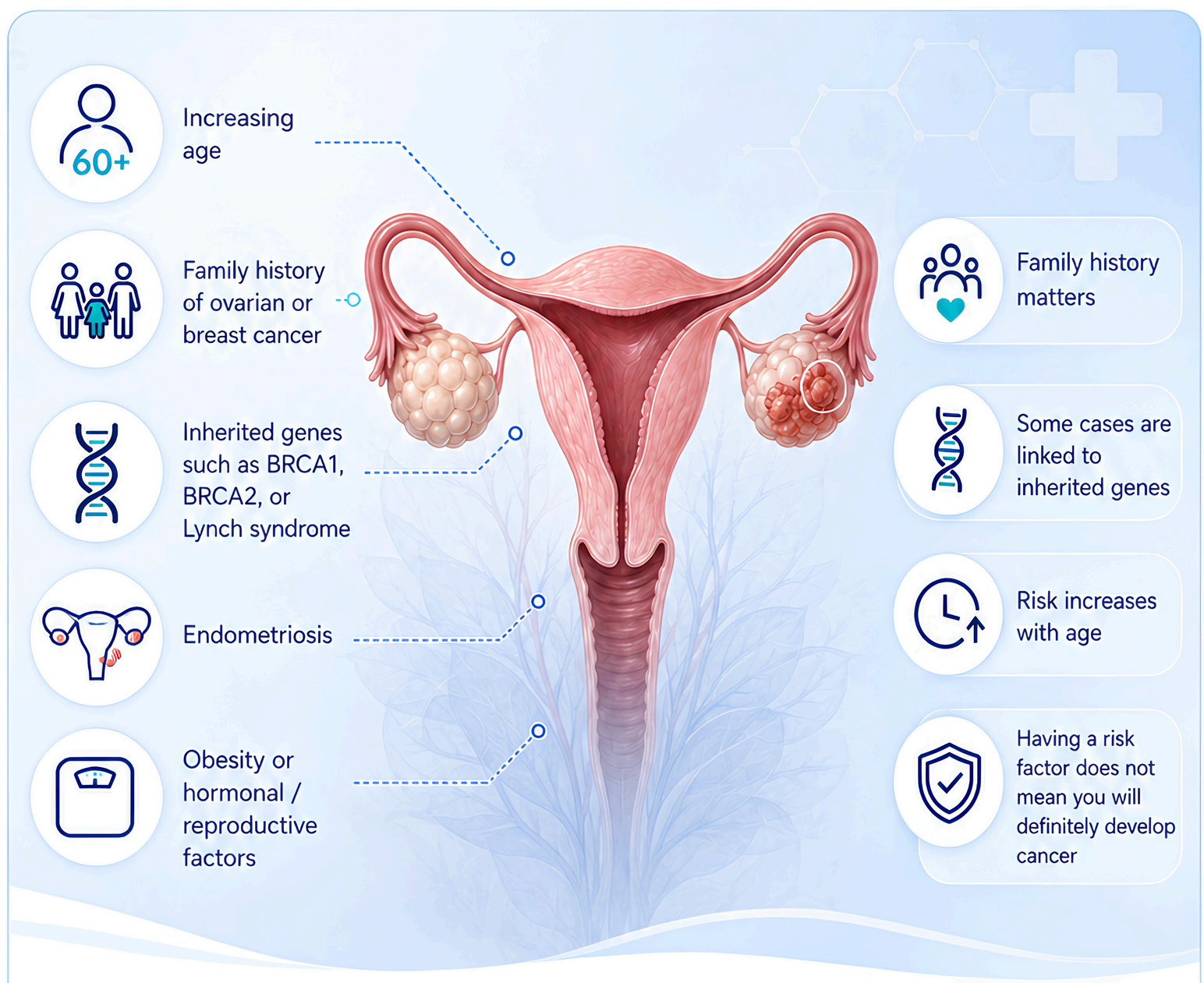
The following factors may increase the risk, but having one or more risk factors does not mean that a person will develop cancer:


  • Increasing age, particularly after menopause

  • Family history of ovarian, breast or related cancers

  • Inherited changes such as BRCA1, BRCA2 or Lynch syndrome

  • Never having been pregnant or certain infertility-related factors

  • Endometriosis, which is associated with some ovarian cancer subtypes

  • Overweight or obesity

  • Use of oestrogen-only therapy after menopause


Symptoms


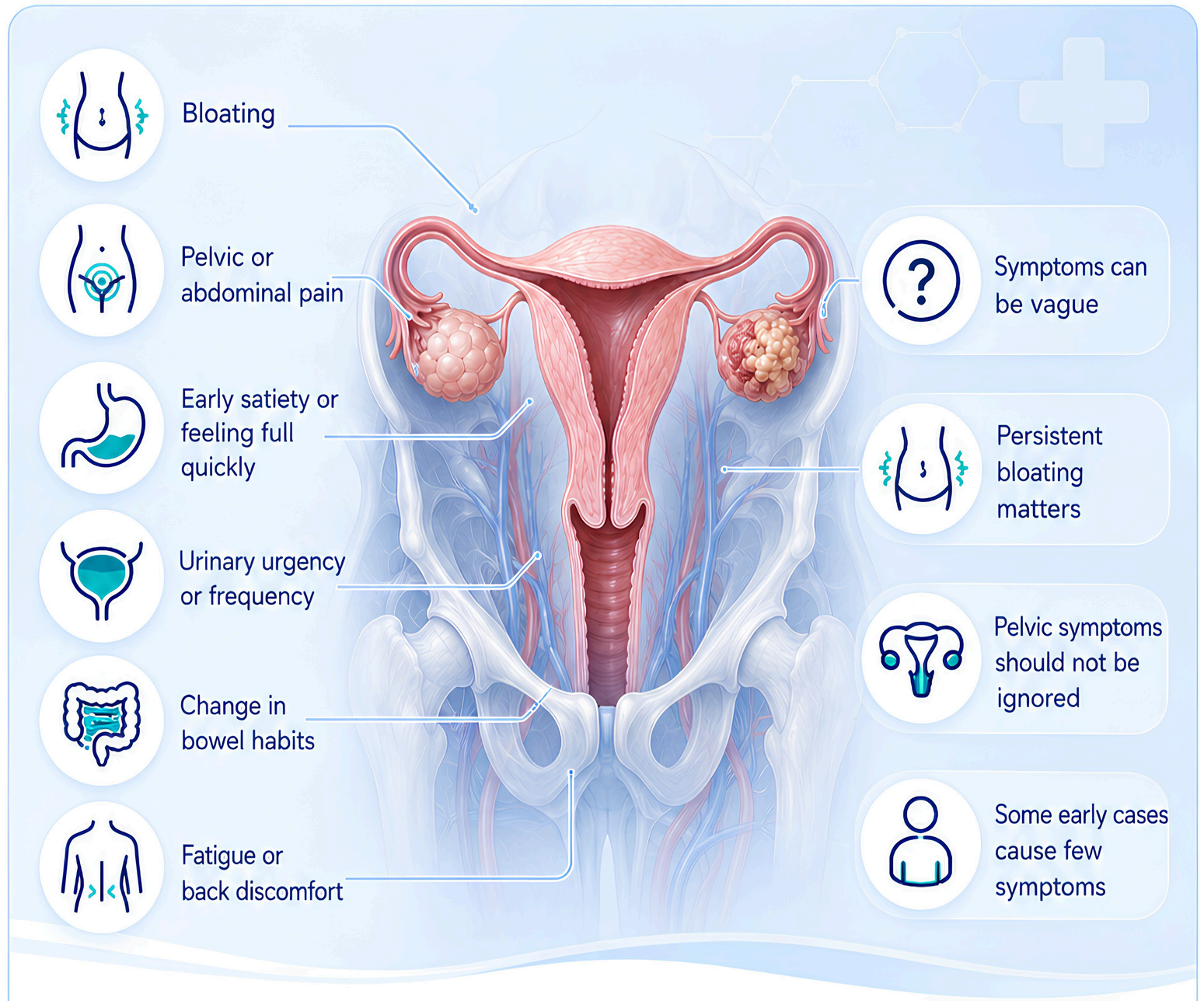
Early disease may not cause obvious symptoms. Medical evaluation is recommended when any of the following symptoms persist, recur, or gradually worsen:

  • Persistent abdominal bloating or increasing abdominal size

  • Pelvic or abdominal pain or pressure

  • Feeling full quickly or loss of appetite

  • Urinary frequency or urgency

  • Changes in bowel habits

  • Unexplained weight loss or fatigue

  • Abnormal menstrual bleeding or bleeding after menopause


Diagnosis


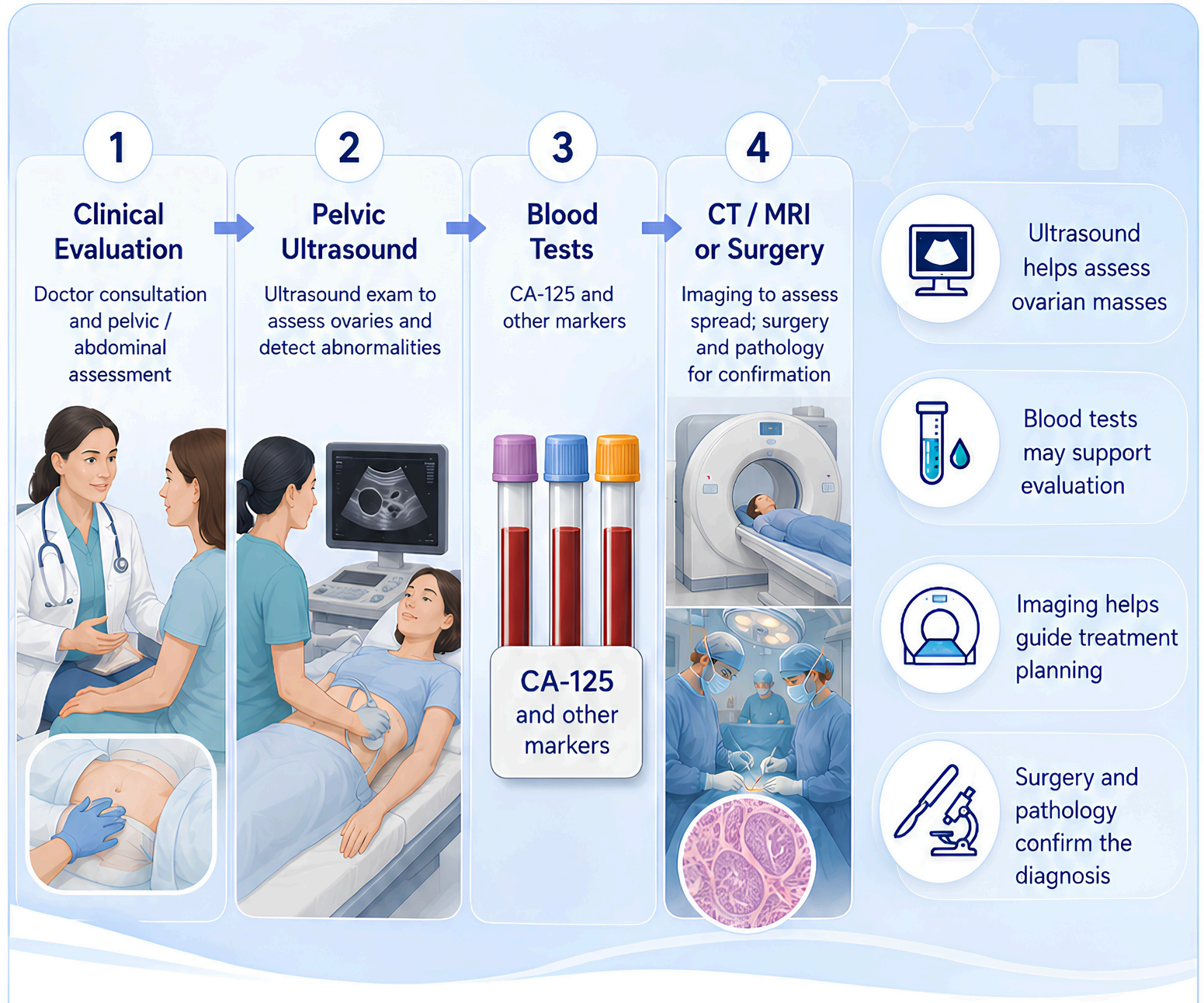
Diagnosis usually combines medical history, physical examination, imaging, laboratory tests, and pathology. The exact tests are selected by the doctor according to the individual case.

Gynaecological Assessment

  • Medical history and pelvic examination

  • Assessment of symptom duration, family history and hereditary risk

Imaging

  • Pelvic ultrasound, often including transvaginal ultrasound

  • CT or MRI to assess the extent of disease

  • Chest imaging when required

Blood Tests

  • CA-125 and other tumour markers may support assessment but cannot confirm cancer on their own

  • Full blood count and liver and kidney function tests

Pathology and Staging

  • Tissue obtained by surgery or biopsy is examined to confirm the type and stage

  • BRCA or other genetic testing may be recommended


Facts (FAQ)


Q: Does early ovarian cancer cause symptoms?

A: It may cause no clear symptoms or only mild bloating, discomfort or appetite changes. Persistent, frequent symptoms that are different from normal should be assessed.

Q: Does a raised CA-125 level mean ovarian cancer?

A: Not necessarily. Menstruation, endometriosis, inflammation and other benign conditions can also raise CA-125.

Q: Should all women undergo regular ovarian cancer screening?

A: Current evidence does not support routine screening for all symptom-free women at average risk. High-risk individuals should seek gynaecological or genetic advice.

Q: Can ovarian cancer be inherited?

A: Some cases are linked to BRCA1, BRCA2, Lynch syndrome and other inherited factors. Genetic counselling may be appropriate when the family history is significant.

Q: Can ovarian cancer be cured?

A: The chance of successful treatment is higher when the disease is found early. Advanced disease may still be controlled with surgery, medicines and maintenance therapy, depending on the subtype and response.


Free Consultation
Patient's Name
Cancer type
Phone number/Whatsapp
Age
Email
Medical reports
Upload report (optional)
Contact us
Ovarian Cancer Traditional Treatment Methods
Surgical treatmentSurgery to remove cancerous tissue and clean cervical lymph nodes that may have metastasis.
Radiation TherapyRadiation therapy for follicular adenocarcinoma.
chemotherapyOften used as palliative therapy for inoperable or distantly metastatic advanced cancer.
Chinese treatmentTraditional Chinese medicine therapy can inhibit the development of cancer, improve the immune function of patients with thyroid cancer, and reduce the toxic and side effects of radiotherapy and chemotherapy.
Ovarian Cancer Treatment Technology
Interventional Therapy
Mainly used in liver cancer, lung cancer, breast cancer, colorectal cancer, cervical cancer, nasopharyngeal cancer, thyroid cancer, prostate cancer, gastric cancer and other solid tumors.
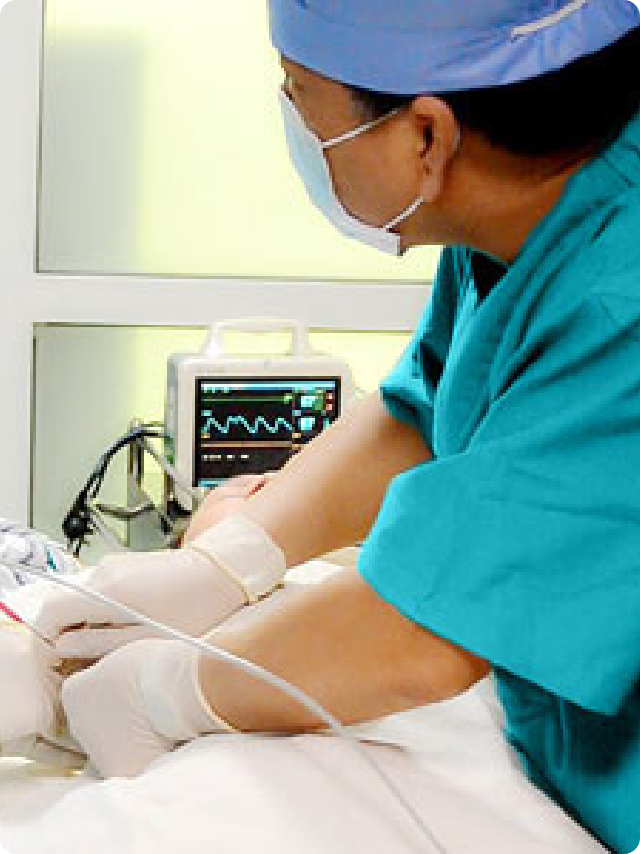
Interventional therapy is a mini-invasive therapy performed under the guidance of medical imaging equipments. With a 1-2 millimeter incision, paracentesis can be performed with the lead of medical imaging equipment....
Cryotherapy
Cryotherapy
Liver cancer, lung cancer, breast cancer, colon cancer, cervical cancer, nasopharyngeal cancer, thyroid cancer, prostate cancer, stomach cancer and other solid tumor
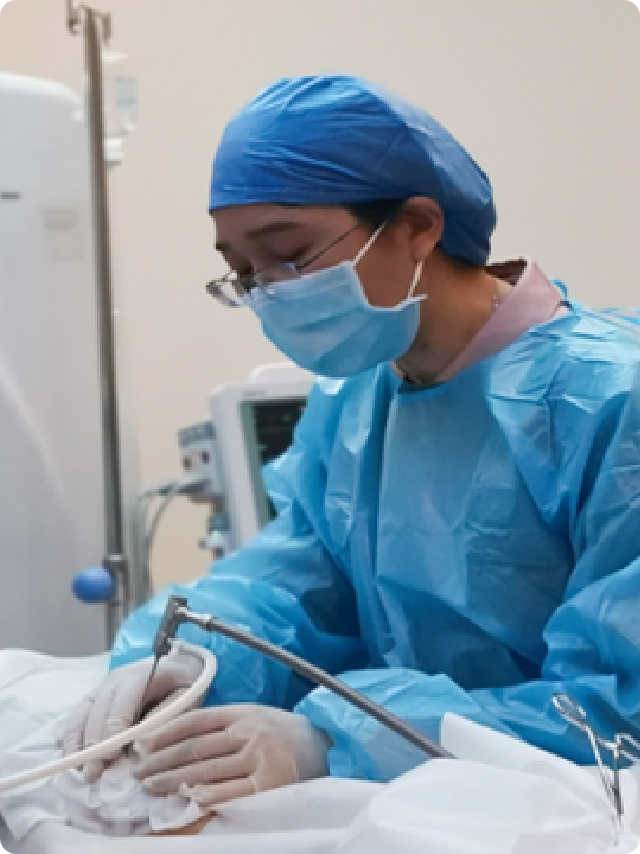
Cryotherapy, also named cryosurgery therapy or cryoablation, is a medical technique both ancient and modern....
Combined Knife
Combined Knife
Liver cancer, lung cancer, pancreatic cancer, thyroid cancer, prostate cancer, kidney cancer, adrenal tumor and primary and metastatic solid tumors in various organs such as abdominal and pelvic tumor
Combined Knife, it’s not actual surgical knife, but a composite cryogenic freezing surgical system, which conduct cold and heat ablation treatment with liquid-nitrogen by one or more ablation needles, it’s called combined knife because of its accuracy. ...
Nanoknife Technology
Pancreatic cancer, liver cancer, lung cancer, kidney cancer, prostate cancer and other solid tumors, especially for tumors near the hilar area, gallbladder, bile duct, pancreas, and ureter
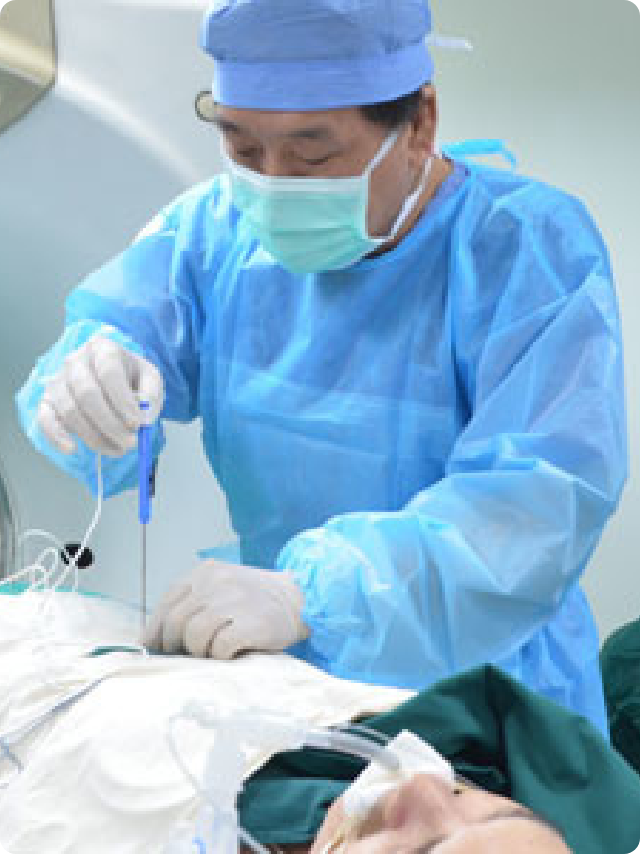
Nanoknife is a brand-new cutting-edge ablation technology for tumor treatment. It breaks the membrane of tumor cells with high voltage pulses from electrode probes, resulting in multiple irreversible nano-meter electroporated holes, which is applicable to pancreatic cancer, liver cancer and other sol...
Particle Knife
Particle Knife
Lung cancer, prostate cancer, breast cancer, liver cancer, nasopharyngeal cancer, tongue cancer, carcinoma of parotid gland, carcinoma of tonsil, cervical cancer, endometrial cancer, etc.
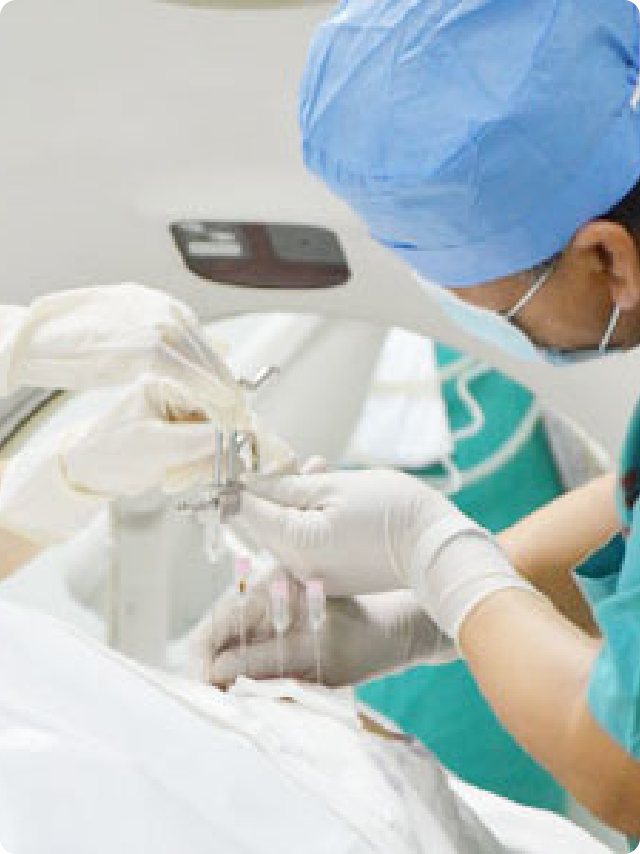
Particle knife (also called 125I Seed Implants) is applied to a variety of primary and metastatic tumors nowadays. 125I seeds are some small iodine radioactive particles that can give off short-range γ-ray to kill tumor cells continuously. 125I seed implantation can achieve the same internal radiati...
DEB-TACE
DEB-TACE
Solid tumors such as Liver Cancer, lung cancer, breast cancer, colon cancer, cervical cancer, nasopharyngeal cancer, prostate cancer, stomach cancer, etc.
Drug-eluting beads transcatheter arterial chemoembolization (DEB-TACE) is an interventional therapy used in tumor treatment. It is a tiny sphere made of polymers or ceramics with a certain range of sizes and with anti-tumor drugs encapsulated inside. Its main function is to embolize the vessels suppl...
Radiofrequency Ablation
Liver cancer, lung cancer, breast cancer and other metastatic tumor
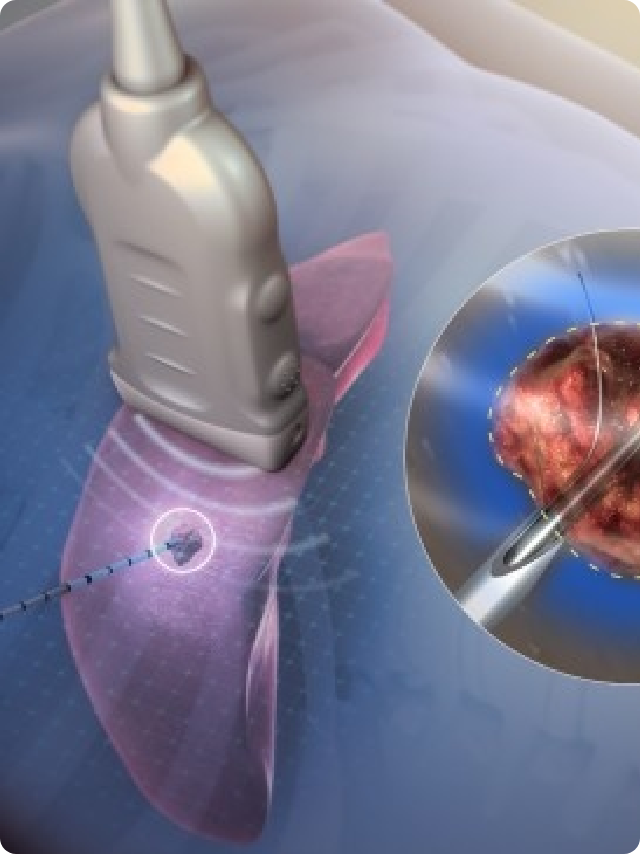
Radiofrequency ablation, sometimes referred to as RFA, is a minimally invasive treatment for cancer. It is an image-guided technique that heats and destroys cancer cells. Under the guidance of image, RFA, a physical method to inactive and kill the tumor, is performed with minimally invasive paracen...
Ovarian Cancer Patients’ Success Stories
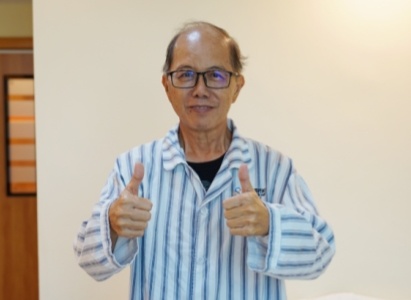
Interventional treatment curbed the spread of prostate cancer and helped me get rid of the constraints of a urine catheter bag 11
Prostate cancer
Mr.Chen
Malaysiamore than 1 year
Mr.Chen was diagnosed prostate cancer, the local doctor suggested him to undergo a direct resection, but Mr.TING wanted to live a life like normal people, so he came to St. Stamford Modern Cancer Hospital Guangzhou for help....
From Brink To Rebirth: An Endometrial Cancer Patient’s International Medical Journey
Endometrial Cancer
FOO AI KIM
Malaysiaover 2 years
When life struck her with a series of devastating blows, 59-year-old Malaysian Chinese FOO AI KIM once believed she was nearing the final chapter of her life’s story. Yet, her cross-border journey for treatment—from Malaysia to China—ultimately turned the page to a brand new beginning. Sudden Onset of Illness: From “ Conventional Treatment ” to Abandoning Therapy In September 2024, FOO AI KIM, who had already entered menopause and stopped menstruating, suddenly experienced irregular periods with heavy bleeding. After being examined at a local hospital in Malaysia, doctors advised her to undergo an immediate hysterectomy. The postoperative pathological results came as a shock to everyone—endometrial cancer. Following the local conventional approach of “removing the problem when it arises”, she subsequently began a five-week treatment plan: five sessions of chemotherapy and 25 sessions of radiotherapy. (FOO AI KIM) However, the side effects of the treatment nearly crushed...
Tongue Cancer ≠ Tongue Removal|A Malaysian Chinese’s Miracle of Minimally Invasive Tongue Preservation Treatment
Tongue Cancer
Wu Wen Bor
MalaysiaOver 1 year
When 60-year-oldWu Wen Bordiscovered that a smalllumpon his tongue tip was a highly active cancer, he faced a brutal choice: undergo conventional treatment in Malaysia that could cost him his entire tongue, or travel to China in search of a glimmer of hope. His story is one of fear, courage, choice, and rebirth. Sudden Bad News| Cancer Strikes – Is “Tongue Removal” the Only Option? “The doctors said they had to remove my entire tongue. I was terrified.” In September 2024, Malaysian Chinese Wu Wen Borunexpectedly noticed a lump measuring approximately 2.21.5cm on his tongue tip. At first, he thought it was just ordinary inflammation, but the accompanying melanin deposition left him uneasy. He went to a local hospital for an excisional biopsy. The report hit him like a thunderbolt—tongue melanoma, with highly active cancer cells (Ki-67 50%). (The lump and melanin deposition on the tongue tip) After a brief recovery from the excisional biopsy at a local hospital in October 2...
A Miracle of 15cm Breast Cancer Tumor Regression: Modern Minimally Invasive Technology Rewrites the Fate of a Malaysian Stage IV Patient
Breast Cancer
Yip Woon Thing
MalaysiaMore than 2 years
Ye Wan Ting, from Malaysia, is a stage IV breast cancer patient. After being diagnosed in early 2025, her tumor grew and ulcerated, and local treatments showed no improvement. At the end of March, she came to Modern Cancer Hospital Guangzhou for integrated minimally invasive treatment. Two months later, her condition improved, and the tumor continued to shrink. ...
A Miracle of Life: The Story of a Malaysian Businessman’s Journey to Overcome Cancer from Afar
Nasopharyngeal Carcinoma
Tan Soy Mok
MalaysiaMore than 2 years
"There was a time when I felt my life was nearing its end. But at Modern Cancer Hospital Guangzhou, I saw hope again."...
Triumph Over Stage IV Nasopharyngeal Carcinoma: Breaking Free from Despair to Paint a New Canvas of Life
Nasopharyngeal Carcinoma
CHONG CHEE WEI
MalaysiaMore than 1 year
CHONG CHEE WEI, a 46-year-old man from Malaysia, first visited a local hospital in October 2023 due to persistent left-sided headaches. What he initially dismissed as routine fatigue turned into a life-altering diagnosis: nasopharyngeal malignant tumor with bilateral cervical lymph node metastasis, the largest lesion measuring 7.5 cm in diameter. ...
Reversal of a Critical Condition: 90% Tumor Clearance in Advanced Stomach Cancer through Integrated Minimally Invasive Therapy
Stomach Cancer
LEE YING NHOR
Malaysiamore than 1 year
Cancer Pain Haunts Daily Life: Failed Chemotherapy Leaving Patient Exhausted In July 2024, Ms. Lee Ying Nhor, a 69-year-old retiree living peacefully in Borneo, Malaysia, had her tranquil life disrupted by difficulty swallowing, loss of appetite, and abdominal pain. Within a few months, her minor discomfort escalated into severe weight loss, inability to eat normally, speech difficulties, and persistent abdominal pain that robbed her of sleep. After examination at a local Malaysian hospital, Ms. Lee was diagnosed with poorly differentiated squamous cell carcinoma at the gastroesophageal junction, classified as advanced stomach cancer. CT imaging revealed a tumor measuring approximately 5.4 * 3.5 cm at the gastroesophageal junction and around the cardia, with extensive lymph node metastases in the abdominal cavity—a highly malignant gastrointestinal tumor. (LEE YING NHOR) To seize the opportunity for treatment, Ms. Lee followed medical advice and underwent two sessions of systemic...
Integrated Minimally Invasive Therapy: Transforming a Lymphoma Patient's 'Balloon Face' into Smiles
Non-Hodgkin Lymphoma
Yoo Khee Chai
Malaysiamore than 1 year
After being diagnosed with mantle cell lymphoma, Malaysian patient Yoo Khee Chai sought alternative therapies due to concerns about the side effects of traditional chemotherapy, but these efforts were ineffective. The tumor continued to grow, resulting in a "Balloon shaped face" appearance. Following his transfer to Modern Cancer Hospital Guangzhou for Interventional therapy combined with natural therapy, the tumor significantly reduced after just two treatments, and his face largely returned to normal within a month. This minimally invasive treatment had few side effects and quick results, and Mr. Yoo and his wife very satisfied with both the efficacy of the treatment and the quality of service provided....
My 30-year-old Daughter Lost her Ovary and she Kept her Hope of Fertility after Minimally Invasive Interventional Therapy
varian cancer
Ms.BEH
MalaysiaSurvive l for more than 1 year
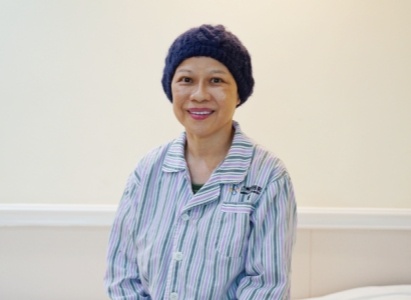
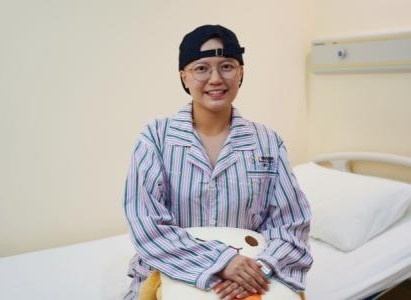
I’m BEH’s mom and we are from Malaysia. As a mother, I once thought that my daughter's future should be full of sunshine and laughter, but fate is like a sudden storm, sweeping us into the boundless darkness without any warning....
Minimally invasive treatment rewrites his fate to receive an rectostomy and recreates the power of integrative medicine
rectal cancer
Chan Khian Yap
Malaysiamore than 2 years
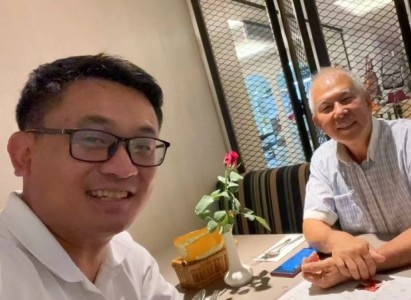
I’m Dato’ Ting Chiew Yew, Deputy Minister of Tourism of Sarawak, Malaysia, and a good friend of Mr. Chan Khian Yap. I would like to tell you about Mr. Chan Khian Yap’s story from the time he was diagnosed with cancer to his treatment in Guangzhou, China, until he regained his vitality....
Integrated Minimally Invasive Treatment Saved Me from Lung Cancer: Prolonging Life, Eating Well, and Sleeping Better
lung cancer
WONG CHUN WAI
MalaysiaSurvive for more than 1 year
My name is WONG CHUN WAI, I’m 51 years old from Selangor, Malaysia.At the beginning of May 2023, I was diagnosed with lung cancer. A few months later, I was told that I only had one year to live.........
Thanks to the integrated minimally invasive treatment, a 35-year-old Malaysian man is free from the trouble of a stoma for the rest of his life
Rectal cancer
CHAN KHIAN YAP
Malaysiamore than 2 years
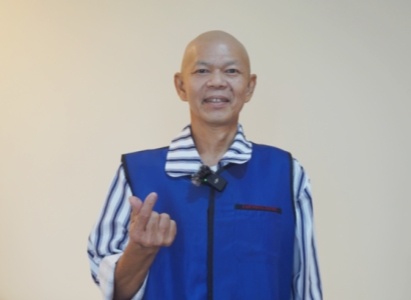
CHAN KHIAN YAP, 35 years old, from Malaysia. He was diagnosed with rectal cancer in 2022 and refused the local hospital’s treatment plan of surgical resection and stoma. After interventional treatment + seed implantation at St. Stamford Modern Cancer Hospital Guangzhou, all the tumors were eliminated, and he got rid of the fate of carrying a stoma for the rest of his life!...
Oncologist & Doctors
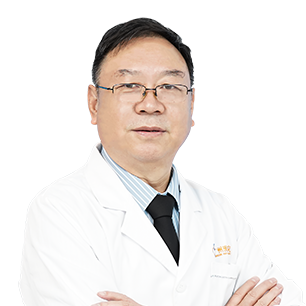
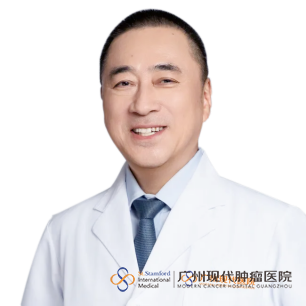
Song Shijun
Song Shijun
Chief Expert of Oncology DepartmentChief physician
good at professional: Song Shijun, professor, chief physician, CPC member, has been engaged in clinical work of oncology for more than 40 years, and was the deputy director of medical oncology department of the Third Affiliated Hospital of Xinxiang Medical College. He specializes in chemotherapy, minimally invasive therapy, biotherapy and targeted therapy for various solid tumors, especially in the treatment of thoracic tumors such as esophageal cancer, lung cancer, breast cancer, lymphoma, etc. and digestive tumors such as gastric cancer, colorectal cancer and other tumors;...
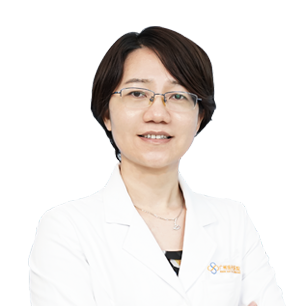
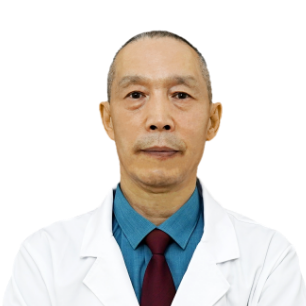
Dai Wenyan
Dai Wenyan
Director of Oncology Department, Director of Breast Cancer CenterChief Physician
good at professional: She specializes in various minimally invasive treatments for tumors, especially chemotherapy, targeted therapy and various integrated minimally invasive treatment measures and individualized treatments for breast cancer, lung cancer, gastrointestinal cancer, and gynecological tumors....
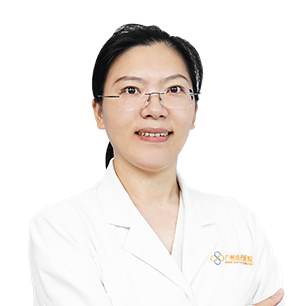
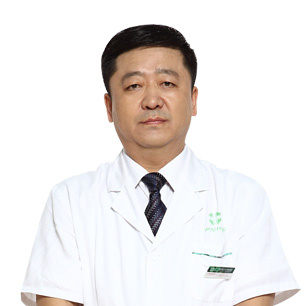
Ma Xiaoying
Ma Xiaoying
Director of Oncology DepartmentAssociate Chief Physician
good at professional: Ma Xiaoying, more than 20 years experience of clinical work in oncology, and is currently a member of the Specialized Committee on Medical Oncology, Chinese Anti-Cancer Association (CACA ) and member of Specialized Committee of Tumor Endoscopy. She specializes in chemotherapy, endocrine therapy, molecular targeted therapy and immunotherapy for various malignant tumors, including digestive tract tumors, breast cancer, lung cancer, gynecological tumors, genitour and genitourinary tumors, as well as the treatment of advanced and refractory tumors. also familiar with the minimally invasive treatment of various malignant tumors. especially for the treatment of advanced and refractory tumors with rich clinical experience. meanwhile she has published many academic thesis in professional journals....
 Lin Jing
Lin Jing
Deputy Director, International Oncology WardAssociate Chief Physician
good at professional: Dr. Lin Jing has been engaged in clinical work in oncology for nearly 20 years and is currently a member of the Chinese Anti-Cancer Association. She specializes in minimally invasive targeted therapy, immunotherapy, chemotherapy, radiotherapy and endocrine therapy, and other comprehensive treatments for solid tumors such as breast cancer, esophageal cancer, gastric cancer, intestinal cancer, hepatocellular carcinoma, lung cancer, gynecological tumors, etc. She is also good at gastrointestinal examination, endoscopic jejunal nutritional tube implantation, and endoscopic photodynamic therapy. She is familiar with the principles of various minimally invasive treatments such as intervention, argon-helium cryotherapy, radiofrequency ablation, etc. She is skilled in the prevention of various tumor complications and the diagnosis and treatment of critical illnesses....

Wang Baoli
Wang Baoli
Oncology SpecialistAssociate Chief Physician
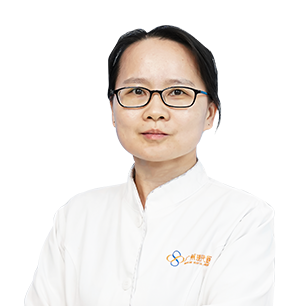
good at professional: Specialized in personalized comprehensive treatment for complex cancers including lung cancer, liver cancer, colon cancer, gastric cancer, esophageal cancer, ovarian cancer, and cervical cancer. Skilled in interventional minimally invasive therapy, chemotherapy, and combined targeted-immunotherapy....
He Jianyu
He Jianyu
Director of Minimally Invasive CenterChief Physician
good at professional: Oncologist, chief physician, a postdoctoral researcher of Imperial College London, with a doctorate from Shanghai Medical College Fudan University. He is a member of many academic associations in China. Having engaged in clinical oncology and researches in 3A hospitals for over 30 years....
Wang Ligen
Wang Ligen
Director of the International Medical Exchange CenterChief Physician
good at professional: Prof. Wang Ligen serves as a Visiting Specialist for Southeast Asia Lectures and Consultations at Modern Cancer Hospital Guangzhou. He is among China's first certified physicians for operating large-scale radiotherapy equipment (Linear Accelerator, LA) and a senior leader in radiation oncology. With over 40 years of clinical experience, he has witnessed the full trajectory of China's radiotherapy development—from its nascent stage to standardization and international dissemination. Leveraging profound clinical expertise and a global perspective, he has advanced the implementation of precision radiotherapy and minimally invasive treatment techniques across China and Southeast Asia, helping countless patients with advanced-stage cancer reclaim their lives....
Zhen Yanli
Zhen Yanli
Director of Radiology DepartmentAssociate Chief Physician
good at professional: Dr. Zhen Yanli has been engaging in the work of surgical treatment, medical imaging diagnosis and interventional therapy, taking the job as a tutor of graduate students for master’s degree, and serving as some advanced subject pace-setter and academ...
Yin Pingshan
Yin Pingshan
Distinguished expert of TCM OncologyChief Physician
good at professional: | Introduction Engaged in clinical work in Traditional Chinese Medicine Internal Medicine for 40 years and is a core member of Guangdong Province's key clinical specialty of traditional Chinese medicine (Nanfang Hospital) gastrointestinal department of traditional Chinese medicine. Specialized in integrating traditional Chinese and Western medicine to treat tumors, rich experience in individualized treatment of tumors under the guidance of the overall concept of traditional Chinese medicine and syndrome differentiation and treatment; Being proficient in traditional Chinese medicine, using targeted drugs according to different cancer types, and cooperate with radiotherapy and chemotherapy to reduce toxicity and increase effectiveness, relieve symptoms, and improve the quality of life of cancer patients; Providing comprehensive TCM treatment according to the course of the disease, and providing TCM rehabilitation, dietary therapy, exercise guidance, etc.At the same time, he is good at di...
Hu Ying
Hu Ying
Deputy Director of International Oncology WardAssociate Chief Physician
good at professional: Specialized in the minimally invasive treatment of various solid tumors, especially respiratory and digestive tract tumors such as lung, stomach, nasopharyngeal, esophageal, and intestinal cancers....
Ovarian Cancer Staging

Ovarian Cancer Stages and Corresponding 5-year Survival Rate


Ovarian Cancer Stage I85%-90%;

Ovarian Cancer Stage II: 70%-73%;

Ovarian Cancer Stage III: 39%;

Ovarian Cancer Stage IV: 17%.
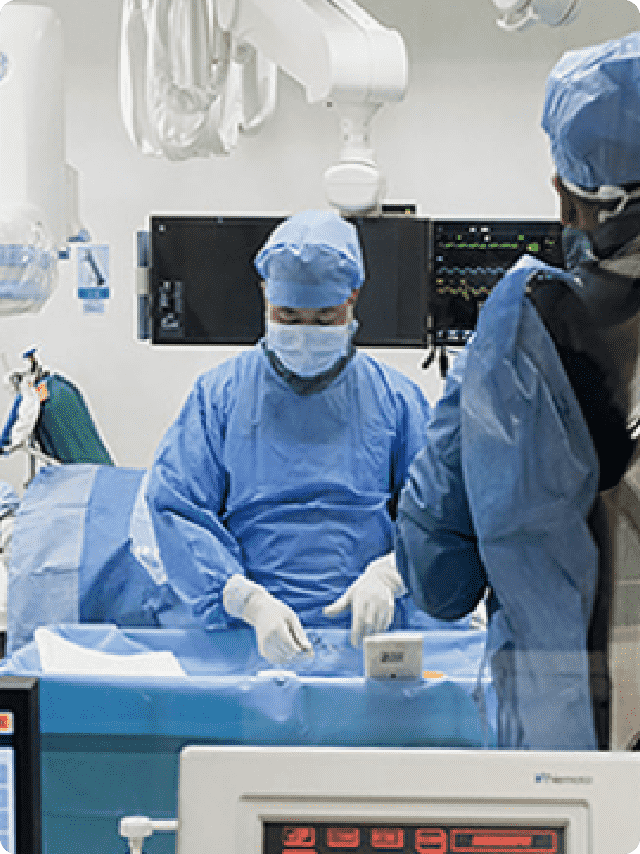

The staging of ovarian cancer is of great significance to the treatment plan and treatment effect. The extent, size and metastasis of the tumor affect the doctor's choice of treatment plan. The age, menopause and overall health status of the woman may have an impact on treatment options and prognosis.

For more knowledge about cancer, please click online doctors for consultation. 

Free Consultation
Patient's Name
Cancer type
Phone number/Whatsapp
Age
Email
Medical reports
Upload report (optional)
Contact us
Appointment Form
Online Consultation
[email protected]
BACKTOP
Leave a
message
Online ConsultationAppointment