










Breast Cancer Treatment: Options, Stages and Care
Breast cancer treatment depends on several factors, including the stage of the cancer, tumour characteristics, hormone receptor status, HER2 status, overall health and personal preferences. Treatment may involve surgery, radiation therapy, chemotherapy, hormone therapy, targeted therapy or other approaches recommended by the oncology team.
Understanding the available breast cancer treatment options can help patients and their families prepare for medical consultations and make informed decisions. Not every patient needs every type of treatment, and a treatment plan should be tailored to the individual's diagnosis and circumstances.
St. Stamford Modern Cancer Hospital Guangzhou provides consultations for patients who wish to understand their diagnosis and explore available treatment approaches. A qualified medical team must assess each patient's medical records and clinical condition before determining which options may be appropriate.
If you or a family member has been diagnosed with breast cancer, reviewing the pathology report and discussing the next steps with a qualified oncology team are important starting points.
If you are diagnose as breast cancer, please click online consultation to contact us.
Understanding Breast Cancer
Breast cancer develops when abnormal cells in the breast grow uncontrollably. These cells may remain within the original site or invade surrounding breast tissue. In some cases, cancer cells can spread to nearby lymph nodes or distant organs.
The type and extent of breast cancer influence the recommended treatment. Doctors consider the pathology report, imaging findings, tumour stage and biological markers when planning care.
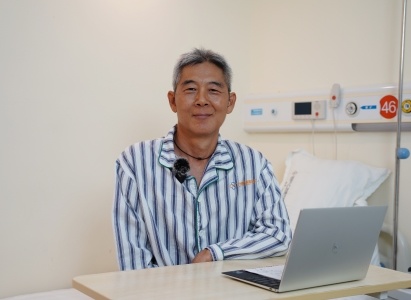
Stage Ⅲ B breast cancer survivor shares her anticancer experience
Every patient's cancer journey is different. Hearing from other patients can help people understand the personal experiences associated with diagnosis, treatment and recovery.
Indonesia VENNY NYOTOWIJOYO* Stage Ⅲ B breast cancer
Types of Breast Cancer
Breast cancer can be classified according to where it begins and whether it has invaded surrounding tissue.
Ductal Carcinoma In Situ (DCIS)
DCIS occurs when abnormal cells are confined to the milk ducts and have not invaded surrounding breast tissue. It is generally considered non-invasive breast cancer. Treatment recommendations depend on the extent and characteristics of the abnormal cells and the patient's circumstances.
Invasive Ductal Carcinoma
Invasive ductal carcinoma begins in the milk ducts and grows into surrounding breast tissue. It is the most common type of invasive breast cancer. Further assessment is needed to determine whether the cancer has spread to nearby lymph nodes or other parts of the body.
Invasive Lobular Carcinoma
Invasive lobular carcinoma begins in the milk-producing lobules and can spread into surrounding breast tissue. Its appearance on imaging and its pattern of growth may differ from those of other breast cancer types.
Other less common breast cancer types may require different diagnostic considerations. The pathology report helps the medical team identify the specific cancer type and plan appropriate treatment.
Why Is the Breast Cancer Pathology Report Important?
A breast cancer pathology report provides information about the cancer's type, grade and biological characteristics. These findings help doctors estimate the behaviour of the cancer and select appropriate treatment options.
Important findings may include:
Histological type: Identifies the type of breast cancer.
Tumour grade: Describes how abnormal the cancer cells appear and provides information about their likely behaviour.
Oestrogen receptor (ER) status: Helps determine whether hormone therapy may be beneficial.
Progesterone receptor (PR) status: Provides additional information about hormone sensitivity.
HER2 status: Helps determine whether HER2-targeted treatment may be appropriate.
Ki-67, when tested: Provides information about cell proliferation and may contribute to treatment decisions.
Lymph node findings: Help establish whether cancer has spread to nearby lymph nodes.
Not every report contains all these results at the same time. Additional tests may be needed before the oncology team can recommend a treatment plan.
If you are unsure how to interpret your report, ask your medical team to explain the findings and how they affect your treatment options.
Interpretation of Breast Cancer Pathology Report
• What is ductal carcinoma in situ?
• What is Invasive ductal carcinoma?
• What is the TNM staging of breast cancer?
Breast Cancer Stages
Breast cancer staging describes the extent of the disease. Doctors consider the size and spread of the primary tumour, involvement of nearby lymph nodes and whether cancer has spread to distant organs.
Staging helps guide treatment planning, but stage alone does not determine every treatment decision. Tumour biology, general health and individual circumstances also matter.
Stage 0: Non-Invasive Breast Cancer
Stage 0 breast cancer commonly refers to ductal carcinoma in situ (DCIS). Abnormal cells remain within their original location and have not invaded surrounding breast tissue.
Management may involve surgery, with radiation therapy or other approaches considered according to the diagnosis and individual risk factors.
Stage I: Early-Stage Breast Cancer
Stage I breast cancer is generally small and has limited or no lymph node involvement, depending on the exact classification.
Treatment often includes surgery. Radiation therapy, hormone therapy, chemotherapy or targeted therapy may also be recommended depending on the tumour's characteristics and the expected benefit of additional treatment.
Stage II: Breast Cancer with Local or Regional Involvement
Stage II breast cancer may involve a larger tumour or limited spread to nearby lymph nodes.
Treatment may include surgery, systemic therapy and radiation therapy. Some patients receive medication before surgery to shrink the tumour, while others receive additional treatment after surgery to reduce the risk of recurrence.
Stage III: Locally Advanced Breast Cancer
Stage III breast cancer may involve more extensive regional lymph node disease or nearby tissues without distant metastasis.
Treatment often combines systemic therapy, surgery and radiation therapy. The sequence depends on the cancer's subtype, extent and response to treatment.
Stage IV: Metastatic Breast Cancer
Stage IV breast cancer means the cancer has spread to distant organs, such as the bones, liver, lungs or brain.
Treatment generally focuses on controlling the disease, slowing its progression, relieving symptoms and maintaining quality of life. Options depend on the cancer's biology, previous treatment and the patient's overall condition.
A diagnosis of metastatic breast cancer requires an individualised treatment plan and ongoing review by the oncology team.
Understanding Breast Cancer Survival Statistics
Five-year relative survival rates compare the survival of people diagnosed with cancer with that of similar people in the general population. These statistics describe groups of patients and cannot predict an individual's outcome.
The original page displays survival figures for selected stages. Before publishing those figures, verify their source, date, population and staging definitions. Survival estimates can differ between countries, cancer subtypes and data sources.
For reliable information, visit the National Cancer Institute's breast cancer resources.
Breast Cancer Treatment Options
There is no single breast cancer treatment that is appropriate for every patient. Doctors consider the stage of the disease, tumour biology, previous treatment, overall health and the patient's preferences before recommending a treatment plan.
Some patients need a combination of treatments, while others may not require every treatment type.
1. Breast Cancer Surgery
Surgery removes cancerous tissue from the breast and may also involve assessment of nearby lymph nodes. The appropriate procedure depends on the tumour's size and location, the extent of the disease, breast anatomy and the patient's preferences.
Breast-Conserving Surgery
Breast-conserving surgery, sometimes called a lumpectomy, removes the cancer and a surrounding margin of tissue while preserving much of the breast.
Radiation therapy is commonly recommended after breast-conserving surgery, although the final decision depends on individual clinical factors.
Mastectomy
A mastectomy involves removing most or all of the breast tissue. It may be recommended when breast-conserg surgery is not suitable, when the cancer affects multiple areas of the breast or when other clinical considerations favour this approach.
Some patients may be eligible for breast reconstruction during the same operation or at a later date.
Lymph Node Assessment
Doctors may recommend sentinel lymph node biopsy or other lymph node procedures to assess whether cancer has spread to nearby lymph nodes. The appropriate method depends on the diagnosis and treatment plan.
Your surgeon can explain the purpose of the proposed procedure, potential complications, recovery expectations and alternatives.
2. Radiation Therapy for Breast Cancer
Radiation therapy uses high-energy radiation to destroy cancer cells in a targeted area.
It is commonly used after breast-conserving surgery and may be recommended after mastectomy for selected patients. Radiation therapy may also be used in certain advanced cancer situations to relieve symptoms or control disease in a specific area.
The treatment schedule and target area depend on the clinical plan.
Possible side effects include skin irritation, fatigue, breast swelling or discomfort. Longer-term effects vary according to the treatment area and individual circumstances.
Patients should ask the radiation oncology team about the expected benefits, possible side effects, treatment duration and any preparation required.
3. Chemotherapy for Breast Cancer
Chemotherapy uses anti-cancer medicines to destroy cancer cells or interfere with their growth.
It may be given before surgery to reduce tumour size, after surgery to reduce the risk of recurrence or to manage advanced breast cancer.
Whether chemotherapy is recommended depends on factors such as the cancer's stage, biological subtype, lymph node involvement and estimated benefit from treatment. Some patients may not need chemotherapy.
Possible side effects include fatigue, nausea, hair loss, mouth sores and changes in blood cell counts. The type and severity of side effects depend on the medicines used and the individual patient.
The oncology team can explain the treatment schedule, monitoring requirements, supportive care and strategies for managing side effects.
4. Hormone Therapy
Some breast cancers grow in response to hormones such as oestrogen. When a tumour is hormone receptor-positive, hormone therapy may be recommended to reduce the effects of these hormones on cancer cells.
Depending on the clinical situation, treatment may involve medicines such as tamoxifen or aromatase inhibitors. Other approaches may be considered for selected patients.
Hormone therapy is commonly used after initial treatment to reduce the risk of recurrence. It may also be used to manage certain cases of advanced breast cancer.
The choice of medicine and treatment duration depend on menopausal status, tumour characteristics, previous treatment and individual risks.
Patients should discuss possible side effects, medication interactions and follow-up requirements with their medical team.
5. Targeted Therapy
Targeted therapy uses medicines designed to act on specific features of cancer cells.
For example, some breast cancers have increased HER2 activity and may respond to HER2-targeted medicines. Other targeted treatments may be appropriate for selected tumours with particular biomarkers or molecular changes.
Not every breast cancer patient is eligible for targeted therapy. Testing and clinical assessment are needed to determine whether a particular medicine is appropriate.
The oncology team can explain the purpose of the treatment, expected benefits, possible side effects and whether additional tests are required.
6. Immunotherapy
Immunotherapy helps the immune system recognise or respond to cancer cells. Certain immunotherapy medicines may be considered for specific breast cancer subtypes and clinical circumstances.
Eligibility may depend on tumour characteristics, disease stage, biomarker results and the overall treatment plan.
Immunotherapy is not suitable for every breast cancer patient and can cause side effects related to immune system activity. Patients should discuss the potential benefits, risks and monitoring requirements with their oncologist.
7. Treatment Before or After Surgery
Breast cancer treatment may be given before or after surgery, depending on the patient's diagnosis.
Neoadjuvant treatment is treatment given before surgery. It may help shrink a tumour, assess how the cancer responds to treatment and make surgery more manageable in selected cases.
Adjuvant treatment is given after the primary treatment, such as surgery, to reduce the risk of recurrence when indicated. It may include radiation therapy, chemotherapy, hormone therapy or targeted therapy.
The recommended sequence depends on the cancer's subtype, stage and clinical goals.
Early-Stage Breast Cancer Treatment
Treatment for early-stage breast cancer aims to remove or control the cancer and reduce the risk of recurrence. The recommended approach depends on the tumour's size, biological characteristics, lymph node findings and the patient's overall health.
Treatment may involve breast-conserving surgery or mastectomy. Radiation therapy is often recommended after breast-conserving surgery and may be indicated after mastectomy in selected circumstances.
Additional treatment may include hormone therapy for hormone receptor-positive cancer, HER2-targeted therapy for eligible HER2-positive cancer, or chemotherapy when the expected benefit justifies its use.
Some patients may be suitable for less intensive treatment, while others need a combination of therapies. Decisions should be based on the clinical evidence and the patient's individual risk profile.
Patients should ask their care team why each treatment is recommended, what benefit is expected and whether alternative approaches are appropriate.
Breast Reconstruction After Mastectomy
Breast reconstruction may help restore breast shape after mastectomy. It is a personal choice and is not necessary for every patient.
Depending on the patient's health, treatment requirements and preferences, reconstruction may involve an implant or tissue taken from another part of the body.
Implant-Based Reconstruction
Implant-based reconstruction uses a breast implant to restore breast shape. The suitability of this approach depends on factors such as the patient's anatomy, previous treatment and whether radiation therapy is planned.
Autologous Tissue Reconstruction
Autologous reconstruction uses tissue from another part of the body. A plastic surgeon can explain the available techniques, recovery process, possible complications and expected results.
When Can Reconstruction Be Performed?
Breast reconstruction may be performed during mastectomy or at a later stage. The timing depends on the cancer treatment plan, the patient's health and the recommendations of the surgical team.
Reconstruction does not replace necessary cancer treatment. Patients should discuss the timing and potential effects of reconstruction on other treatments with their breast surgeon, plastic surgeon and oncology team.
B. Minimally Invasive Treatment Approaches
Some hospitals offer image-guided procedures or other minimally invasive techniques for selected clinical situations. The suitability and evidence vary by procedure, cancer subtype and treatment goal.
These approaches should not automatically be considered replacements for established breast cancer treatments. Patients should ask the treating team to explain the evidence supporting the proposed procedure, its intended purpose, potential complications and available alternatives.
St. Stamford Modern Cancer Hospital Guangzhou describes several minimally invasive treatment approaches. These may be assessed for selected patients according to the diagnosis, tumour characteristics, treatment goals and overall health.
Minimally invasive procedures are not automatically suitable for every breast cancer patient and should not be presented as universal replacements for established treatments. The oncology team should explain the evidence, risks, limitations and alternatives for each proposed procedure.
1. Interventional Therapy
Interventional therapy may use imaging guidance to direct a procedure to a specific area. Its role depends on the clinical indication and the technique being proposed.
Before proceeding, patients should understand whether the procedure is intended to treat the primary tumour, manage a specific problem or complement another treatment.

Interventional therapy: with a 1-2 millimeter incision, anti-cancer drugs are directly given to the tumor, causing fewer side effects and drug concentration is 2-8 times higher than systemic chemotherapy, killing cancer cells more accurately.
2. Cryotherapy
Cryotherapy uses extreme cold to destroy targeted tissue. Its role in breast cancer depends on the type of tumour, the clinical setting and the evidence supporting its use.
It is not appropriate for every patient or every breast cancer. Patients should ask whether cryotherapy is an established option for their specific diagnosis, how it compares with standard treatments and whether further treatment may still be required.

Cryotherapy: compared with surgery, cryotherapy is associated with lower risks and less complications. little bleeding and quick recovery; few damage to normal tissues and can be performed repeatedly to prevent recurrence of lung cancer.
3. Radioactive Seed Implantation
Radioactive seed implantation involves placing small radioactive sources in or near a target area to deliver radiation locally over time.
The procedure requires specialist planning, and its suitability depends on the specific clinical indication. Patients should ask about the intended treatment target, expected benefit, radiation safety requirements and available alternatives.

Seed Implantation: Implanted particles will keep emitting y-ray within the tumor, targeting to the cancer cells accurately; the radiation of seeds to tumor last for 180 days, high accuracy, millimeter minimally invasive; few toxic side effects and complications.
4. Traditional Chinese Medicine and Supportive Care
Some patients consider traditional Chinese medicine or other complementary approaches alongside conventional cancer treatment.
Complementary care should be discussed with the oncology team. Herbal products, supplements and other remedies may interact with cancer medicines or affect treatment safety.
Patients should not stop or delay recommended cancer treatment in favour of an unproven alternative. Any complementary approach should be assessed for safety and its role in the overall care plan.

TCM & Western Medicine: Combination of traditional Chinese medicine and minimally invasive techniques can not only kill the cancer cells effectively, but also reduce toxic side effects, lower the rate of cancer recurrence, and greatly improve survival rate.
5. Other Minimally Invasive Techniques
Other image-guided or ablation techniques may be considered in selected clinical circumstances. Patients should ask which procedure is being proposed, what evidence supports its use for their particular diagnosis, and whether it is intended to replace or complement other treatments.
Availability does not guarantee suitability or effectiveness for an individual patient.

Modified Radical Mastectomy and Breast Reconstruction: Cancer will be surgical removed firstly and then prosthesis implantation and autologous tissue transplantation will be performed to reconstruct a breast according to patients’ condition. The reconstructive breast looks the same as normal breast, which can help women regain confidence.
To know more new technology for treating breast cancer
Clinical Trials for Breast Cancer
Clinical trials study new treatments, combinations of treatments or approaches to cancer care. Some trials investigate new medicines, while others evaluate treatment schedules, supportive care or methods of monitoring disease.
Participation may provide access to a treatment being studied, but it does not guarantee better results. Clinical trials also involve eligibility criteria, possible risks and additional monitoring.
Patients who are interested in clinical trials can ask their care team:
Is there a clinical trial relevant to my breast cancer subtype and stage?
What is the purpose of the study?
What are the known and potential risks?
What standard treatment alternatives are available?
Will participation affect my usual care, appointments or costs?
Can I leave the trial if I change my mind?
Eligibility depends on the study requirements and the patient's clinical circumstances. A qualified medical professional can help explain whether a trial is worth considering.
How Is a Breast Cancer Treatment Plan Decided?
A treatment plan is developed after the medical team reviews the available clinical information and discusses the patient's priorities.
Step 1: Review the Diagnosis
The team reviews the biopsy and pathology report, imaging findings, relevant medical history and previous treatment. Additional investigations may be needed to clarify the extent of the disease.
Step 2: Identify the Cancer's Characteristics
Doctors consider the tumour type, stage, grade, hormone receptor status, HER2 status and other relevant findings. These details help determine which treatments may be beneficial.
Step 3: Discuss Available Treatment Options
The team explains the recommended treatment, its purpose, possible benefits, limitations, risks and expected side effects. Where appropriate, alternatives can also be discussed.
Step 4: Develop an Individualised Plan
Patients can discuss their preferences, other health conditions, practical needs and treatment goals. The final plan should reflect the clinical evidence and the patient's circumstances.
Step 5: Monitor Treatment and Recovery
Follow-up appointments help the team assess treatment response, monitor side effects, support recovery and address new concerns.
Treatment plans may be adjusted when new clinical information becomes available or when the patient's circumstances change.
Preparing for a Breast Cancer Consultation
Preparing medical records and questions can make a consultation more productive.
Where available, bring:
Breast biopsy and pathology reports.
Mammography, ultrasound, MRI or other relevant imaging reports.
Staging and blood test results.
Records of previous surgery, chemotherapy, radiation therapy or other treatments.
A list of current medicines, supplements and allergies.
Information about other medical conditions.
Questions about treatment choices, side effects, recovery, follow-up and costs.
If records are incomplete, the medical team can advise which additional information may be needed.
Patients seeking another medical opinion should ask how the proposed treatment compares with the current plan, what evidence supports the recommendation and whether any further tests are required.
Frequently Asked Questions About Breast Cancer Treatment
1. What is the most effective treatment for breast cancer?
There is no single treatment that is best for every patient. The recommended approach depends on the cancer's stage, subtype, hormone receptor and HER2 status, overall health and other clinical factors. Treatment may involve surgery, radiation therapy, medicines or a combination of approaches.
2. Can breast cancer be treated without surgery?
Some patients may be unable to undergo surgery or may need other treatment first. However, surgery is an important component of treatment for many patients with early-stage breast cancer. Non-surgical approaches should be discussed with an oncology team, including their benefits, limitations and alternatives.
3. Does every breast cancer patient need chemotherapy?
No. Chemotherapy is recommended when the expected benefit justifies its use. The decision depends on the cancer's characteristics, stage, recurrence risk and other clinical factors. Some patients may benefit from other treatments without chemotherapy.
4. What is the difference between radiation therapy and chemotherapy?
Radiation therapy uses targeted radiation to treat a specific area, while chemotherapy uses medicines that travel through the body to treat cancer cells. They may be used separately or together, depending on the diagnosis and treatment plan.
5. What are the common side effects of breast cancer treatment?
Side effects vary according to the treatment. They may include fatigue, nausea, hair loss, skin changes, pain or changes in blood counts. Some treatments have additional risks that require monitoring. The treating team can explain which side effects are most relevant to an individual treatment plan.
6. Can early-stage breast cancer be cured?
Many patients with early-stage breast cancer receive treatment with the aim of eliminating the cancer and reducing the risk of recurrence. Individual outcomes vary according to the tumour's characteristics, treatment and other clinical factors. The oncology team can explain the expected outlook for a specific diagnosis.
7. What does hormone receptor-positive breast cancer mean?
Hormone receptor-positive breast cancer has receptors that allow hormones such as oestrogen to influence cancer cell growth. Hormone therapy may help reduce this effect and may be recommended as part of the treatment plan.
8. What does HER2-positive breast cancer mean?
HER2-positive breast cancer has increased HER2 activity. Certain HER2-targeted medicines may be effective for eligible patients. Testing helps determine the cancer's HER2 status and guides treatment decisions.
9. Is breast reconstruction possible after mastectomy?
Yes. Some patients choose reconstruction during mastectomy or at a later date. Options may include implants or tissue taken from another part of the body. Suitability depends on the patient's health, cancer treatment requirements and personal preferences.
10. Can minimally invasive techniques replace breast cancer surgery?
Not in every situation. The evidence and suitability of minimally invasive techniques vary by procedure and diagnosis. Patients should ask whether the proposed method is recommended for their specific cancer, what evidence supports it and whether established treatments remain necessary.
11. Should I consider a clinical trial?
A clinical trial may be worth discussing if a relevant study is available and the patient meets its eligibility requirements. Participation does not guarantee better outcomes. The care team can explain the study's purpose, potential risks and standard treatment alternatives.
12. What should I bring to a breast cancer consultation?
Bring available pathology and biopsy reports, imaging results, previous treatment records, a list of current medicines and questions about treatment. The medical team can advise whether additional tests or records are required.
13. Can I seek a second opinion about my breast cancer treatment?
Yes. A second opinion may help patients better understand their diagnosis and compare treatment recommendations. Providing the pathology report, imaging results and previous treatment records can help the reviewing team assess the case.
14. How can I choose between different breast cancer treatment options?
Discuss the expected benefits, limitations, risks, side effects and practical requirements of each option with a qualified oncology team. Decisions should be based on the clinical evidence, the cancer's characteristics and the patient's informed preferences.
Discuss Your Breast Cancer Treatment Options
A breast cancer diagnosis can raise questions about treatment, recovery and the next steps. Understanding the diagnosis and discussing available options with qualified medical professionals can help patients make informed decisions.
St. Stamford Modern Cancer Hospital Guangzhou invites patients to enquire about its services and discuss their individual circumstances with the medical team.
To help the team understand your situation, prepare your pathology or biopsy report, imaging results and details of any previous treatment, where available.
Contact the hospital to enquire about a consultation and learn which treatment options may warrant further medical assessment.
The suitability of any treatment depends on an individual clinical evaluation. Information on this page is for educational purposes and should not replace professional medical advice, diagnosis or treatment.