



Lung Cancer Treatment: Options, Procedures and Care
Lung cancer treatment depends on the type of cancer, its stage, the tumour's molecular characteristics and the patient's overall health. Treatment may include surgery, chemotherapy, radiation therapy, targeted therapy or immunotherapy. Some patients need one treatment, while others benefit from a combination of approaches.
Understanding the available lung cancer treatment options can help patients and their families make informed decisions. This guide explains the main types of lung cancer, how doctors determine the most suitable treatment, common procedures, possible side effects and recovery.
At Modern Cancer Hospital Guangzhou Malaysia, patients can enquire about available treatment approaches and discuss their individual needs with the medical team.
What Is Lung Cancer?
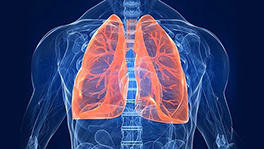
Lung cancer develops when abnormal cells in the lungs grow uncontrollably and form a tumour. These cancerous cells may invade nearby tissues and spread to other parts of the body.
There are two main types of lung cancer:
Non-small cell lung cancer (NSCLC): The most common type, accounting for most lung cancer cases.
Small cell lung cancer (SCLC): A less common type that often grows and spreads more quickly.
Identifying the cancer type is an important first step. It helps doctors select appropriate investigations and develop a personalised lung cancer treatment plan.
If you are diagnosed as Lung Cancer,Please click online consultation to contact us.
Types of Lung Cancer
1. Non-Small Cell Lung Cancer (NSCLC)
NSCLC includes several types of lung cancer.
Adenocarcinoma: Often develops in the outer areas of the lungs. It can affect smokers and people who have never smoked.
Squamous cell carcinoma: Usually develops in cells lining the airways and is associated with smoking.
Large cell carcinoma and other less common types: These cancers may have different characteristics and treatment needs.
Depending on the stage, treatment may include surgery, chemotherapy, radiation therapy, targeted therapy or immunotherapy.
Molecular testing may identify specific genetic changes that help doctors determine whether targeted medicines are suitable.
2. Small Cell Lung Cancer (SCLC)
Small cell lung cancer usually grows and spreads faster than NSCLC. Many patients are diagnosed after the cancer has already spread.
Small cell lung cancer treatment commonly involves chemotherapy and radiation therapy. Immunotherapy may also be recommended in selected cases.
Doctors generally classify SCLC as limited-stage or extensive-stage disease. The treatment plan depends on how far the cancer has spread, the patient's health and the response to treatment.
Understanding Lung Cancer Diagnosis and Staging
Before recommending lung cancer treatment, doctors need to understand the cancer's type, location and extent.
Investigations may include:
Imaging tests: CT scans and PET-CT scans can help assess the tumour and identify possible spread.
Biopsy: A tissue sample is examined to confirm the diagnosis and identify the cancer type.
Pathology examination: Laboratory analysis provides information about the cancer cells.
Molecular testing: Tests for changes such as EGFR or ALK alterations may help identify targeted treatment options.
Biomarker testing: Certain biomarkers, including PD-L1, may help guide immunotherapy decisions.
Not every patient needs every test. The medical team will recommend investigations based on the individual case.
Understanding a Lung Cancer Pathology Report
A pathology report provides information about the type of cancer and its characteristics. The medical team may also recommend additional tests to guide treatment.
Histological type: Identifies the type of lung cancer, such as adenocarcinoma, squamous cell carcinoma or small cell lung cancer.
Tumour differentiation: Describes how abnormal the cancer cells look under a microscope. It is one factor considered when assessing tumour behaviour.
Immunohistochemistry: Uses specific laboratory stains to identify proteins in tissue samples. These results can help classify a tumour and distinguish between different cancer types.
Molecular testing: Tests for specific genetic changes, such as EGFR or ALK alterations, may help determine whether targeted therapy is appropriate. Other biomarkers may guide immunotherapy decisions.
Cancer staging: Imaging and other investigations help determine tumour size, nearby lymph node involvement and whether the cancer has spread to distant organs.
Your medical care team will interpret these findings together rather than relying on a single test.
If you want to know more about lung cancer treatment,Please click online consultation to contact us.
What Are the Stages of Lung Cancer?
Cancer staging describes how far the disease has spread. It is an important factor in choosing treatment.
Stage I: The cancer is confined to the lung without regional lymph node involvement or distant spread. Surgery is often considered for suitable patients. Stereotactic body radiation therapy (SBRT) may be an alternative for selected patients who cannot undergo surgery.
Stage II: The cancer may be larger or involve nearby lymph nodes. Treatment may include surgery and additional therapy, such as chemotherapy, targeted therapy or immunotherapy, depending on the findings.
Stage III: The cancer may involve lymph nodes or structures within the chest. Treatment can include chemotherapy combined with radiation therapy, immunotherapy or surgery in selected cases.
Stage IV: The cancer has spread to distant organs or sites. Treatment may include targeted therapy, immunotherapy, chemotherapy or a combination. The goals may include controlling cancer growth, relieving symptoms and maintaining quality of life.
These descriptions are general. The appropriate treatment depends on the precise stage, cancer subtype and medical assessment.
Lung Cancer Stages and Corresponding 5-year Survival Rate
Lung Cancer Stage I: 77%--92%;
Lung Cancer Stage II:53%--68%;
Lung Cancer Stage III:13%--36%;
Lung Cancer Stage IV: less than 10%.__kindeditor_temp_url__
Lung cancer staging describes how far the disease has spread and helps guide treatment decisions. NSCLC is generally classified from Stage I to Stage IV, while SCLC is often described as limited-stage or extensive-stage disease.
Lung Cancer Treatment Options
There is no single treatment suitable for every patient. Doctors consider the cancer stage, tumour characteristics, lung function, overall health and the patient's preferences before recommending a treatment plan.
1. Lung Cancer Surgery
Surgery may be recommended for selected patients, particularly those with early-stage NSCLC.
The aim is to remove the tumour and, when appropriate, nearby lymph nodes.
Common surgical procedures include:
Wedge resection: Removes the tumour with a small area of surrounding lung tissue.
Segmentectomy: Removes a specific segment of the lung.
Lobectomy: Removes the affected lobe of the lung.
Pneumonectomy: Removes an entire lung in selected cases.
Some procedures can be performed using minimally invasive techniques, such as video-assisted thoracoscopic surgery (VATS). The most appropriate approach depends on the tumour and the patient's condition.
Possible risks include pain, bleeding, infection, blood clots and changes in lung function. Recovery varies according to the procedure and the patient's overall health.
2. Chemotherapy for Lung Cancer
Chemotherapy uses medicines to destroy cancer cells or slow their growth.
It may be used before surgery to help shrink a tumour, after surgery to reduce the risk of recurrence, or alongside radiation therapy. It is also an important treatment for many patients with advanced lung cancer.
The medicines and treatment schedule depend on the cancer type, stage and previous treatment.
Possible side effects include:
Fatigue and weakness
Nausea and vomiting
Reduced appetite
Hair loss with certain medicines
Low blood cell counts
Increased risk of infection
Side effects vary between patients and treatment regimens. Doctors can provide supportive medicines and monitor patients throughout treatment.
3. Radiation Therapy for Lung Cancer
Radiation therapy uses high-energy radiation to damage cancer cells and limit their growth.
It may be used alone or alongside other treatments. For some patients with early-stage NSCLC who cannot undergo surgery, stereotactic body radiation therapy (SBRT) can deliver highly focused radiation to the tumour.
Radiation therapy may also help control locally advanced cancer or relieve symptoms caused by cancer spread.
Possible side effects include fatigue, skin irritation, cough and inflammation of lung tissue. Some patients develop radiation pneumonitis, which can cause cough or breathlessness.
Patients should report new or worsening breathing symptoms to their medical team.
4. Targeted Therapy for Lung Cancer
Targeted therapy uses medicines that act on specific proteins or molecular changes involved in cancer growth.
For example, some lung cancers have EGFR or ALK alterations that may respond to specific targeted medicines.
Molecular testing is important because these treatments work only for certain tumour characteristics. Not every patient has a suitable target.
Many targeted medicines are taken orally, although the treatment method depends on the medicine prescribed.
Possible side effects include skin changes, diarrhoea, liver abnormalities and other drug-specific effects. Regular monitoring helps doctors assess treatment response and manage complications.
5. Immunotherapy for Lung Cancer
Immunotherapy helps the body's immune system recognise and attack cancer cells.
It may be used for certain types and stages of lung cancer, either alone or in combination with chemotherapy or other treatments.
The decision to use immunotherapy depends on factors such as the cancer stage, previous treatment, tumour biomarkers and the patient's health.
Immunotherapy can cause immune-related side effects when the immune system affects healthy organs. These may involve the lungs, bowel, liver, thyroid or other organs.
Patients should promptly report new symptoms, including persistent diarrhoea, worsening cough, breathlessness or unusual fatigue.
6. Minimally Invasive and Interventional Cancer Treatments
Some patients may be suitable for minimally invasive or image-guided procedures. These techniques can deliver treatment to a specific tumour area or destroy tumour tissue using specialised methods.
Depending on the clinical situation and available facilities, options may include:
Interventional therapy: Image-guided procedures may deliver treatment directly into or near a tumour. The method depends on the tumour's location and the treatment being considered.
Cryotherapy: Uses extreme cold to destroy targeted tissue. Its role depends on the tumour location and clinical indication.
Microwave ablation: Uses heat generated by microwave energy to destroy targeted tumour tissue. It may be considered for selected lesions when clinically appropriate.
Iodine-125 seed implantation: Places radioactive seeds within or near a tumour to deliver local radiation over time. This procedure requires specialist assessment and careful treatment planning.
These procedures are not suitable for every lung cancer patient. Their potential benefits, limitations and risks must be assessed individually. They should not be assumed to replace surgery, chemotherapy, radiation therapy or systemic treatment when those treatments are indicated.
Patients should ask their medical team about the evidence for a proposed procedure, expected outcomes, possible complications and available alternatives.

Interventional Therapy: With a 1-2 millimeter incision, anticancer drugs are directly given to the tumor, causing fewer side effects and drug concentration is 2-8 times higher than that of systemic chemotherapy, killing cancer cells more accurately.

Cryotherapy: This therapy reduces the risks and complications from surgery; little bleeding and quick recovery; few damage to normal tissues and can be performed repeatedly to prevent recurrence of lung cancer.

Microwave Ablation: With high efficiency and short operation time, microwave ablation can ablate a tumor with 6cm diameter in 10 minutes generally, with high safety, few toxic side effect and low recurrence rate.

Particle Implantation: These implanted 125I seeds will keep emitting y-ray within the tumor, targeting to the cancer cells accurately; the radiation of seeds to tumor lasts for 180 days, high accuracy, millimeter minimally invasive; few toxic side effects and complications.

TCM & Western Medicine: Few toxic side effects and complications, quick recovery; for the patient who is not suitable to take radiotherapy and chemotherapy, this can help to control the tumor and to extend the survival time.
To know more about new technology for treating Lung cancer
If you want to know more about cancer treatment, Please click online consultation to contact us.
How Is Lung Cancer Treatment Selected by Stage?
Treatment decisions depend on the cancer subtype as well as the stage.
Early-stage NSCLC: Surgery or SBRT may be considered. Additional treatment may be recommended according to the pathology and molecular findings.
Locally advanced NSCLC: Treatment may involve chemotherapy and radiation therapy, immunotherapy or surgery in carefully selected cases.
Advanced NSCLC: Targeted therapy, immunotherapy, chemotherapy or combinations may be appropriate.
Limited-stage SCLC: Chemotherapy and radiation therapy are commonly used. Surgery is reserved for selected cases.
Extensive-stage SCLC: Treatment commonly involves systemic therapy, often including chemotherapy and immunotherapy when appropriate.
These are general treatment patterns rather than individual medical recommendations. A multidisciplinary team can help determine the most suitable approach.
Side Effects and Recovery During Lung Cancer Treatment
Recovery varies according to the treatment, cancer stage and the patient's health.
After lung cancer surgery, patients may need breathing exercises, gradual physical activity, pain management and follow-up appointments.
During chemotherapy, targeted therapy or immunotherapy, regular blood tests and clinical reviews may be needed to monitor treatment response and side effects.
Radiation therapy may require several sessions, depending on the treatment plan. Some side effects develop during treatment, while others may appear later.
Patients can support their recovery by following medical advice, maintaining appropriate nutrition, staying active within their abilities and attending scheduled appointments.
Nutrition is particularly important during cancer treatment. Poor appetite, weight loss and treatment-related symptoms can affect nutritional status. A doctor or registered dietitian can assess nutritional needs and recommend appropriate support. The European Society for Clinical Nutrition and Metabolism (ESPEN) provides evidence-based guidance on nutritional care for patients with cancer.
Patients should contact their medical team if they experience fever, significant weight loss, persistent vomiting, worsening breathlessness or other concerning symptoms.
Frequently Asked Questions About Lung Cancer Treatment
1. What is the best treatment for lung cancer?
There is no single best treatment for everyone. The appropriate option depends on the cancer type, stage, molecular findings, general health and treatment goals. A specialist can explain the benefits and risks of each suitable option.
2. Can lung cancer be treated successfully?
Yes. Some early-stage lung cancers can be treated with the aim of curing the disease. For more advanced cancers, treatment may help control growth, relieve symptoms and extend survival. Outcomes vary between patients.
3. What is the difference between NSCLC and SCLC treatment?
NSCLC treatment may include surgery, radiation therapy, chemotherapy, targeted therapy and immunotherapy. SCLC treatment commonly relies on chemotherapy and radiation therapy, with immunotherapy used in appropriate cases.
4. Is minimally invasive lung cancer treatment suitable for everyone?
No. Suitability depends on tumour size, location, stage, lung function and the patient's overall condition. A specialist should explain whether a minimally invasive procedure is appropriate and how it compares with other treatment options.
5. Does lung cancer treatment always cause severe side effects?
No. Side effects vary depending on the treatment and the individual. Some patients experience mild symptoms, while others need additional medical support. Regular monitoring can help identify and manage complications.
6. How long does lung cancer treatment take?
Treatment duration varies. Surgery may require a recovery period of several weeks or longer. Radiation therapy may involve a defined course of sessions, while systemic treatments may continue for months or longer depending on the response and side effects.
7. Can lung cancer return after treatment?
Yes. Lung cancer can recur after treatment, although the risk varies according to the cancer type, stage and treatment response. Follow-up appointments and appropriate imaging help doctors monitor for recurrence or new problems.
8. Should I seek a second opinion before choosing treatment?
A second opinion may help you better understand your diagnosis, treatment options and expected outcomes. It can be especially useful when several approaches are available or when you are considering a specialised procedure.
Explore Lung Cancer Treatment Options
Choosing a lung cancer treatment plan is an important decision. Understanding the diagnosis, available procedures, possible side effects and expected recovery can help patients prepare for discussions with their medical team.
Modern Cancer Hospital Guangzhou Malaysia welcomes enquiries from patients who wish to learn more about available cancer care options.
Contact our team to enquire about lung cancer treatment options and arrange a consultation.
Every treatment recommendation should be based on an individual medical assessment. No particular procedure can guarantee a cure or a specific outcome.