Bile Duct Cancer
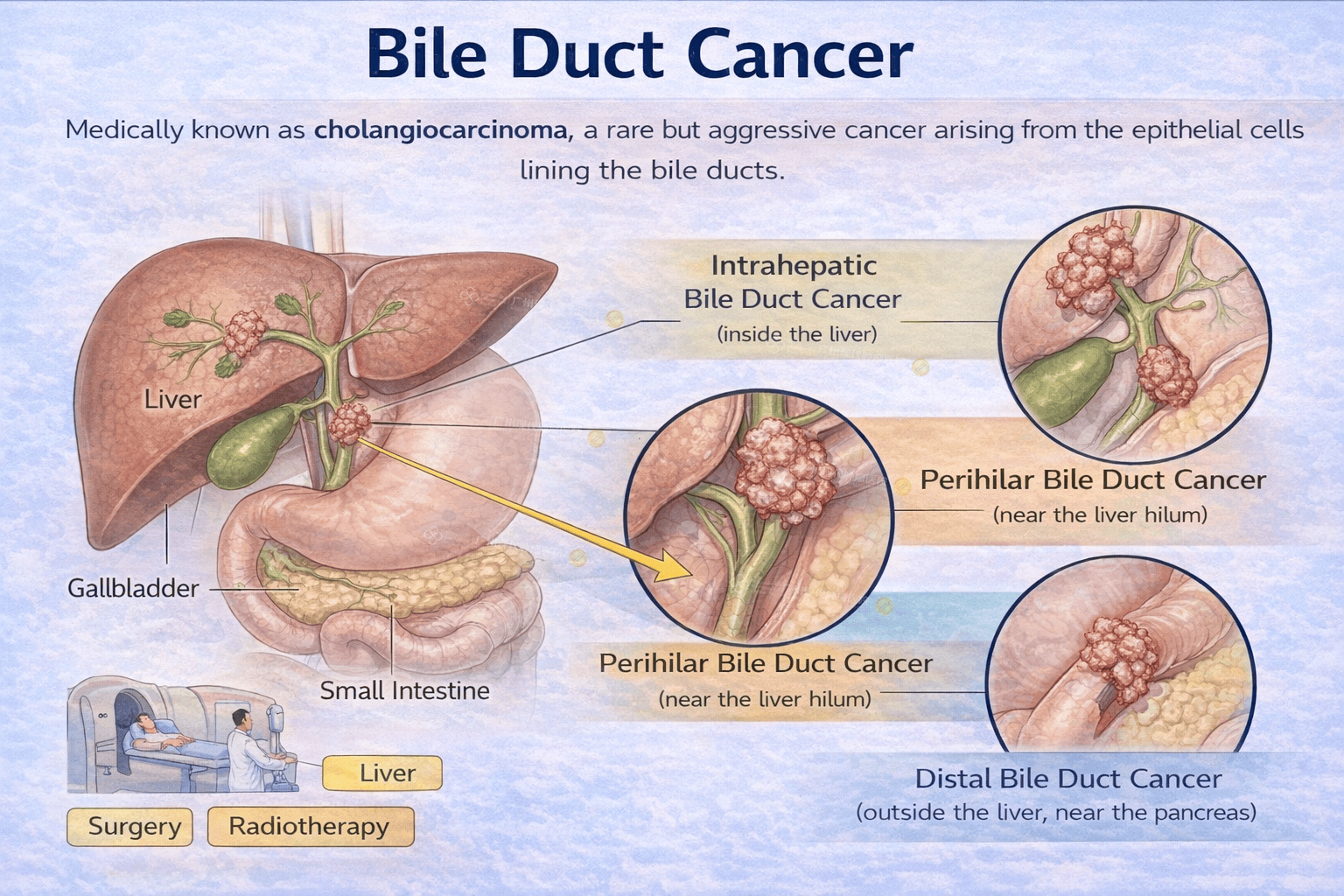
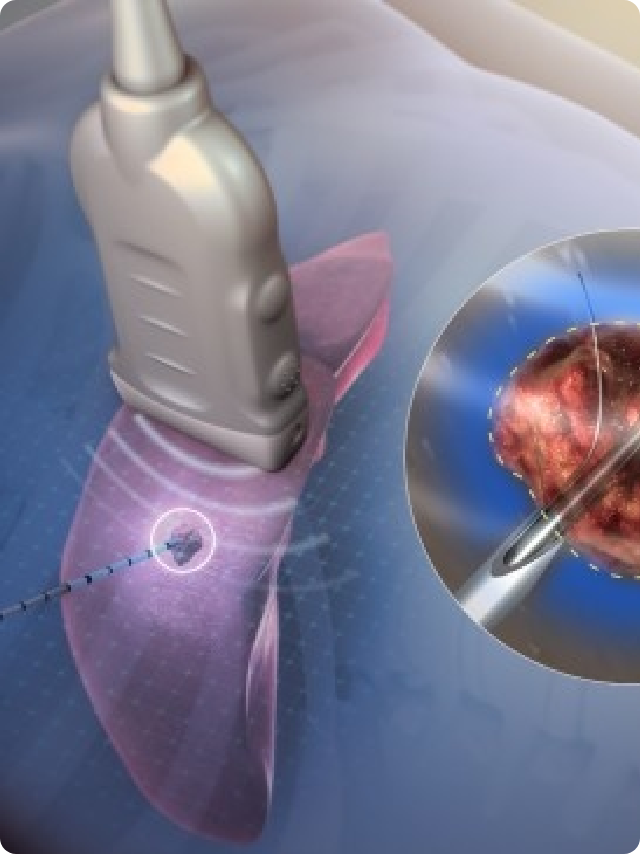
Bile duct cancer, medically known as cholangiocarcinoma, is a rare but aggressive cancer that arises from the epithelial cells lining the bile ducts. The bile ducts are tube-like structures that transport bile from the liver to the gallbladder and small intestine, where bile helps digest fats.
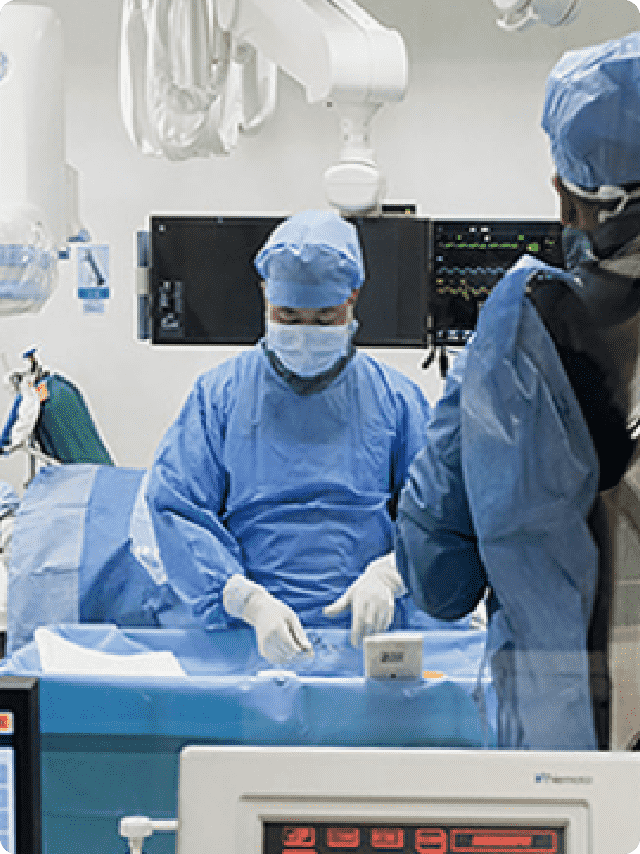
This cancer often develops silently and is usually diagnosed at an advanced stage, making treatment challenging. It can occur inside the liver, at the junction of bile ducts near the liver hilum, or outside the liver near the pancreas.
Types
Bile duct cancer is classified based on its anatomical location:
Intrahepatic cholangiocarcinoma
Arises from bile ducts within the liver
Often mistaken for primary liver cancer
Increasing in incidence worldwide
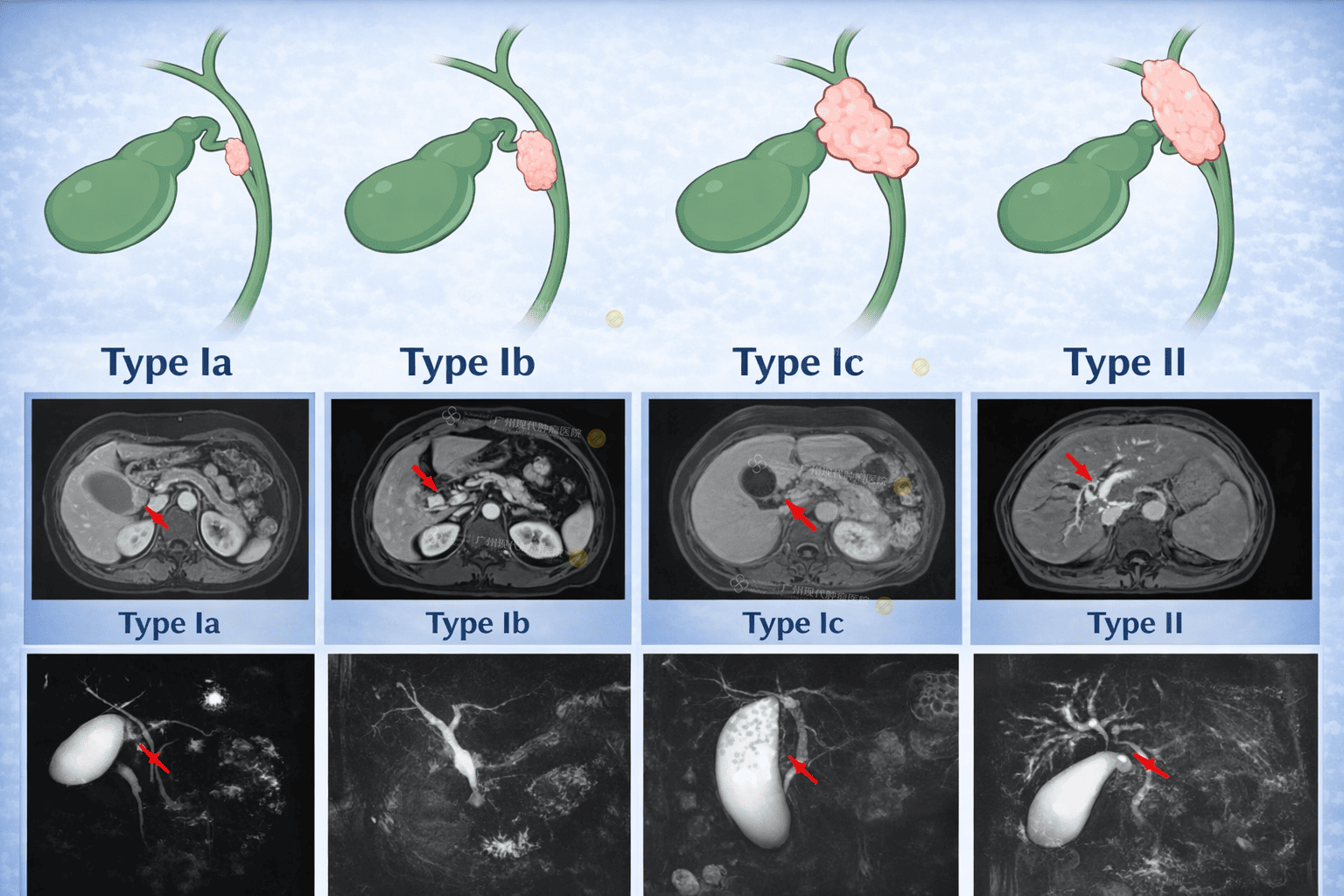
Perihilar cholangiocarcinoma (Klatskin tumor)
Occurs at the bile duct hilum where left and right ducts meet
Most common type
Frequently causes early bile obstruction
Distal cholangiocarcinoma
Develops in bile ducts closer to the pancreas and small intestine
Shares features with pancreatic cancer
Stages
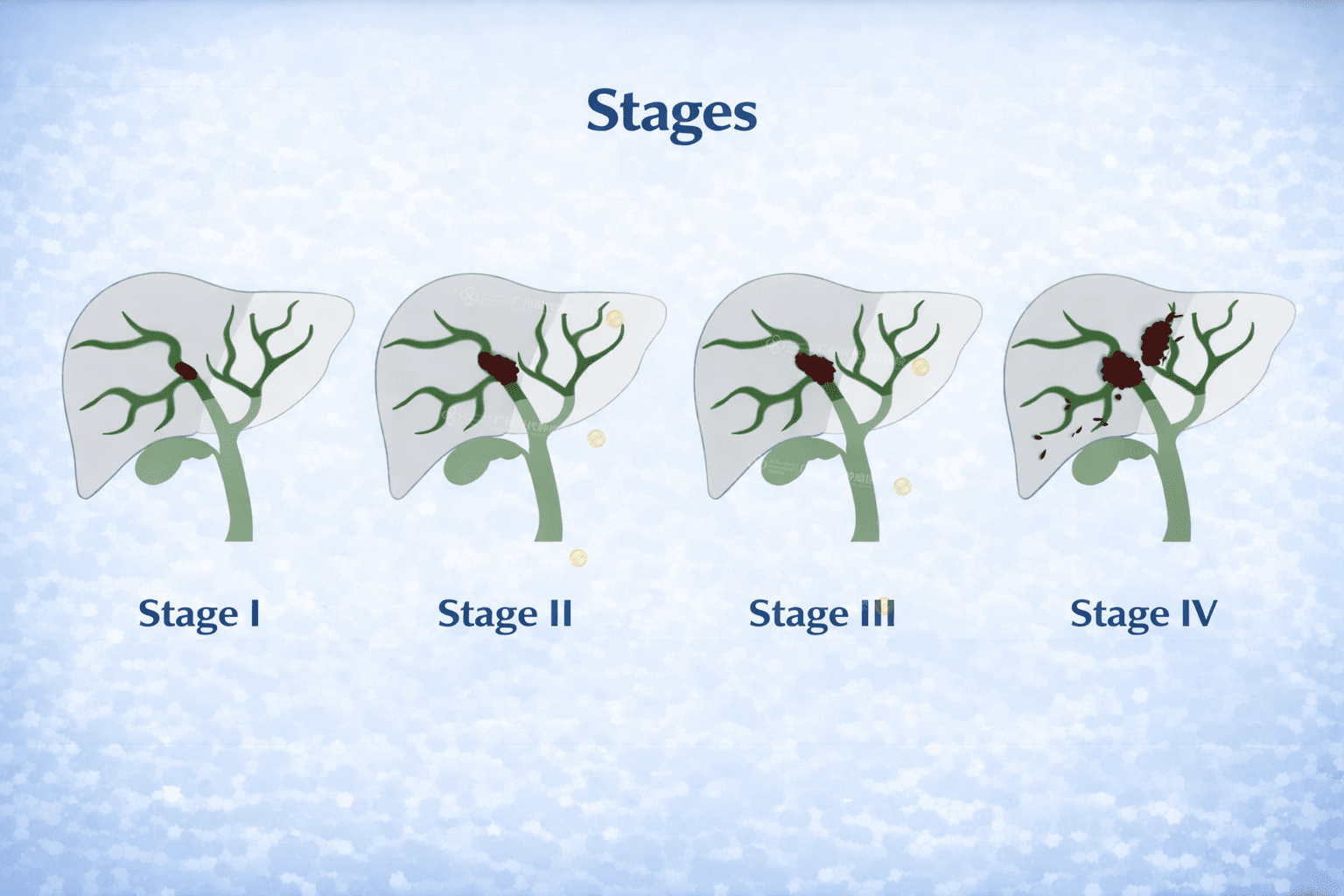
Staging depends on tumor size, local invasion, lymph node involvement, and distant metastasis:
Stage I – Cancer confined to the bile duct
Stage II – Tumor invades nearby tissues or liver
Stage III – Spread to regional lymph nodes or major blood vessels
Stage IV – Distant metastases (lung, peritoneum, bone)
Staging is usually assessed using TNM classification and advanced imaging.
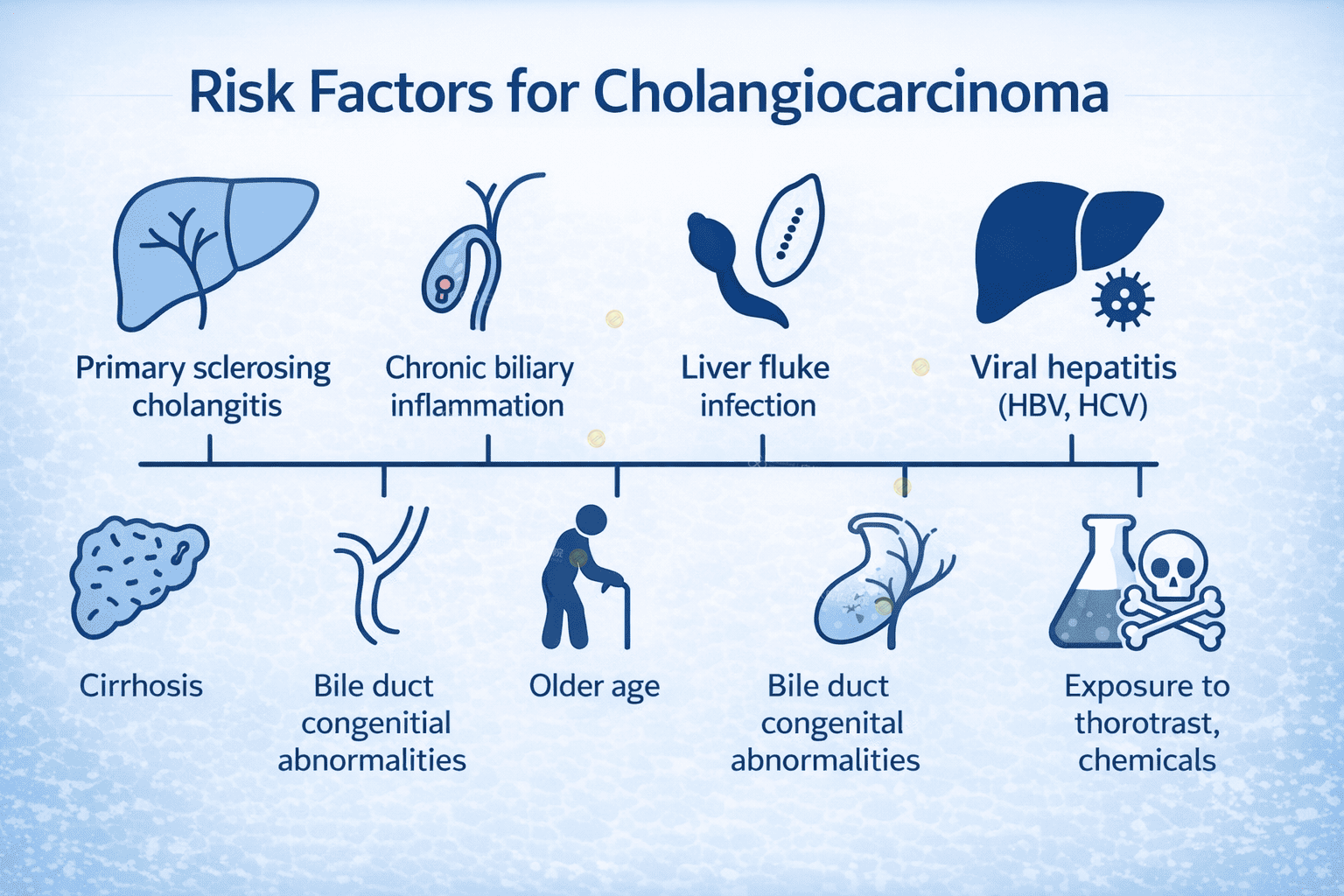
RiskFactors
Several conditions increase the risk of bile duct cancer:
Chronic bile duct inflammation
Primary sclerosing cholangitis (PSC)
Congenital bile duct cysts (choledochal cysts)
Liver fluke infection (Opisthorchis,Clonorchis)
Hepatitis B or C
Cirrhosis
Diabetes mellitus
Smoking and chronic alcohol use
Exposure to toxins (e.g., Thorotrast – historical)
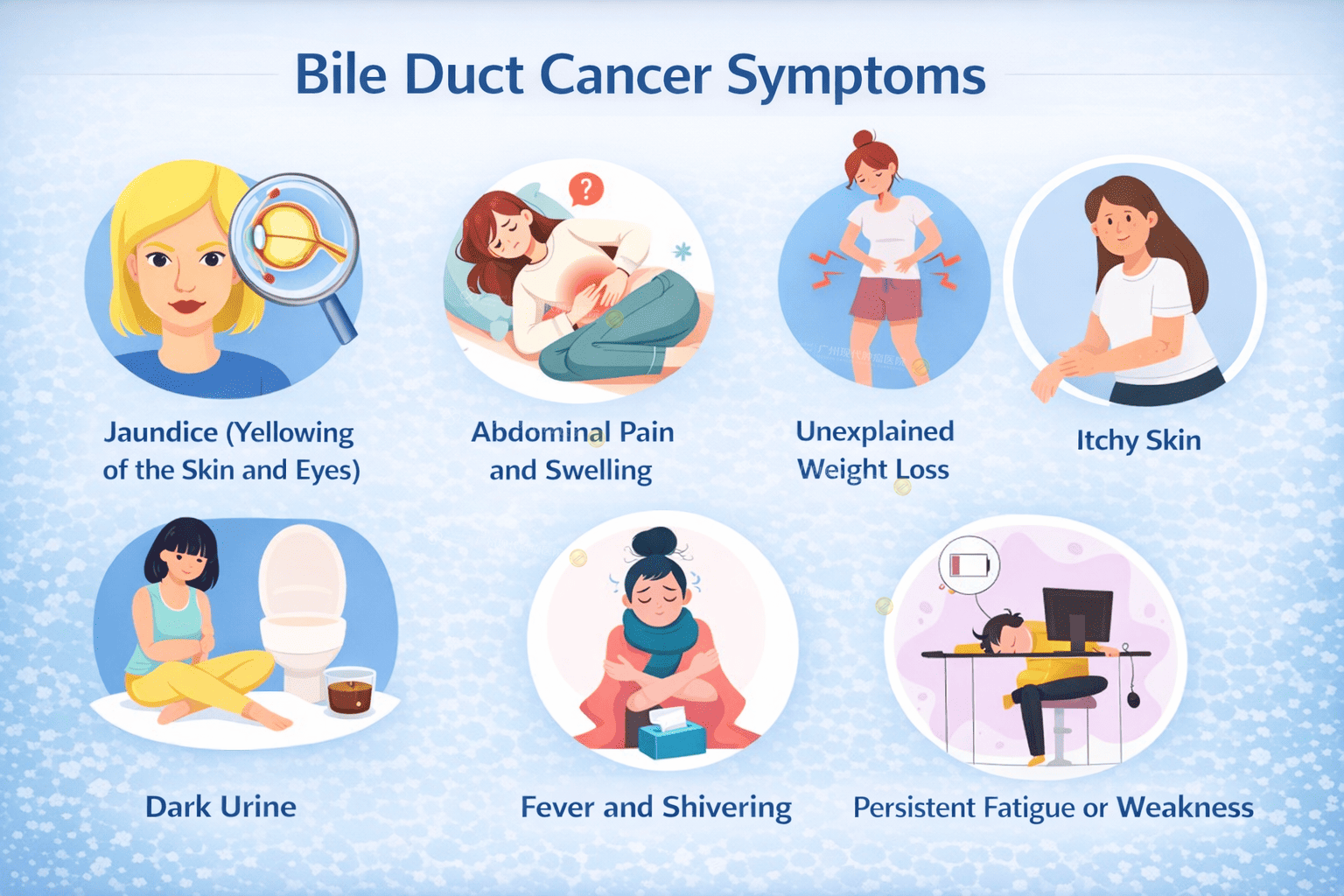
Symptoms
Symptoms are often vague early on and appear late:
Painless jaundice (yellowing of skin and eyes)
Dark urine, pale stools
Generalized itching (pruritus)
Right upper quadrant abdominal pain
Unexplained weight loss
Loss of appetite
Fatigue
Fever (if cholangitis develops)
https://img.asiancancer.com/uploads/allimg/2026/01/17/1-161908827.png
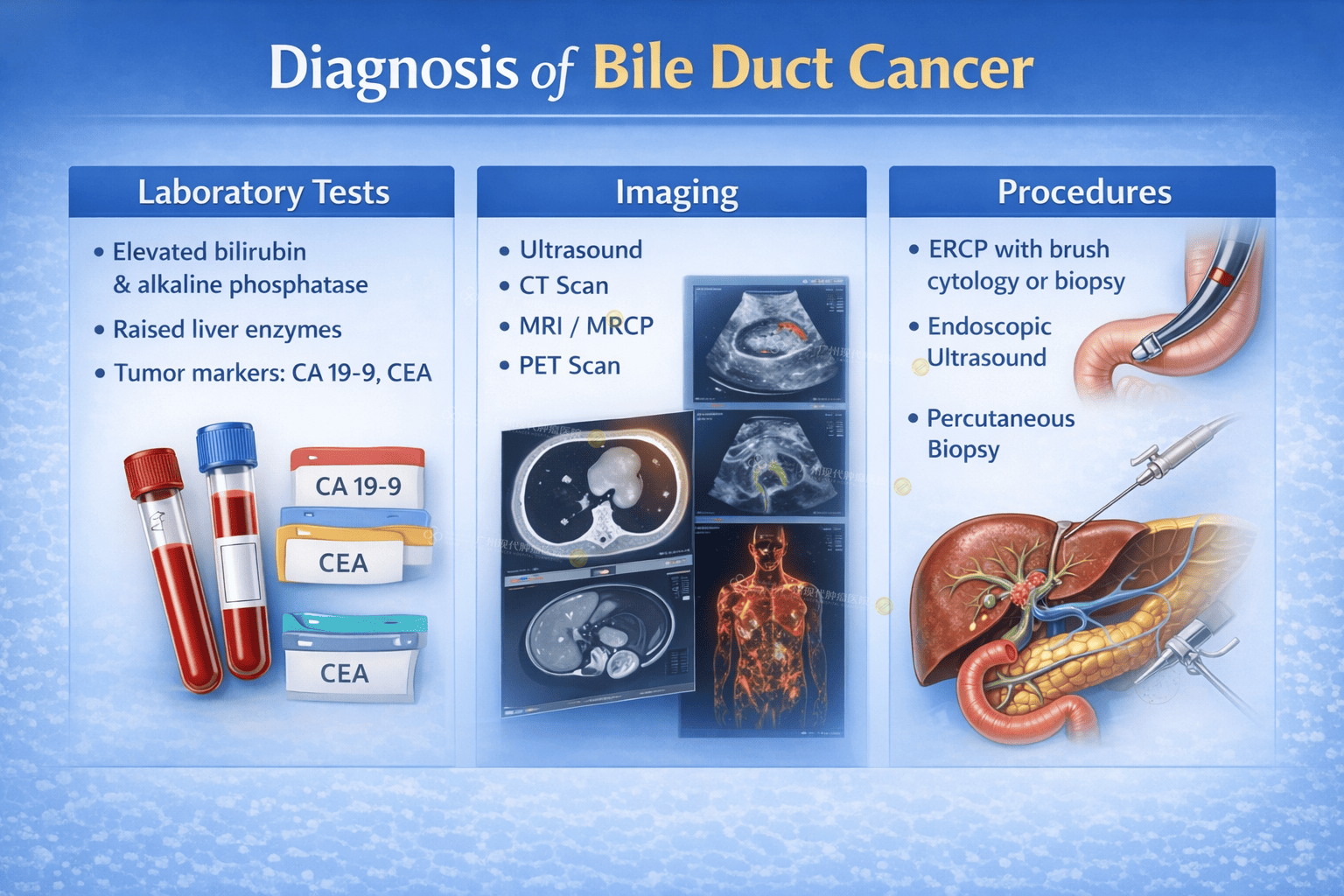
Diagnosis requires a combination of laboratory tests, imaging, and tissue confirmation:
Laboratory tests
Elevated bilirubin and alkaline phosphatase
Raised liver enzymes
Tumor markers: CA 19-9, CEA (supportive, not diagnostic)
Imaging
Ultrasound (initial screening)
CT scan (tumor extent, metastasis)
MRI / MRCP (best for bile duct anatomy)
PET scan (selected cases)
Procedures
ERCP with brush cytology or biopsy
Endoscopic ultrasound (EUS)
Percutaneous biopsy (when safe)
Facts (FAQ)
Q1: Is bile duct cancer common?
No. It is rare but highly aggressive, with rising incidence globally.
Q2: Can bile duct cancer be cured?
Only early-stage disease treated with complete surgical removal offers a chance of cure.
Q3: Why is it often diagnosed late?
Early disease causes few or no symptoms until bile flow becomes obstructed.
Q4: Is bile duct cancer the same as liver cancer?
No. They are different cancers, though intrahepatic cholangiocarcinoma can resemble liver cancer.
Q5: What is the prognosis?
Prognosis depends on stage and resectability. Advanced disease has a poorer outlook.