Colon Cancer
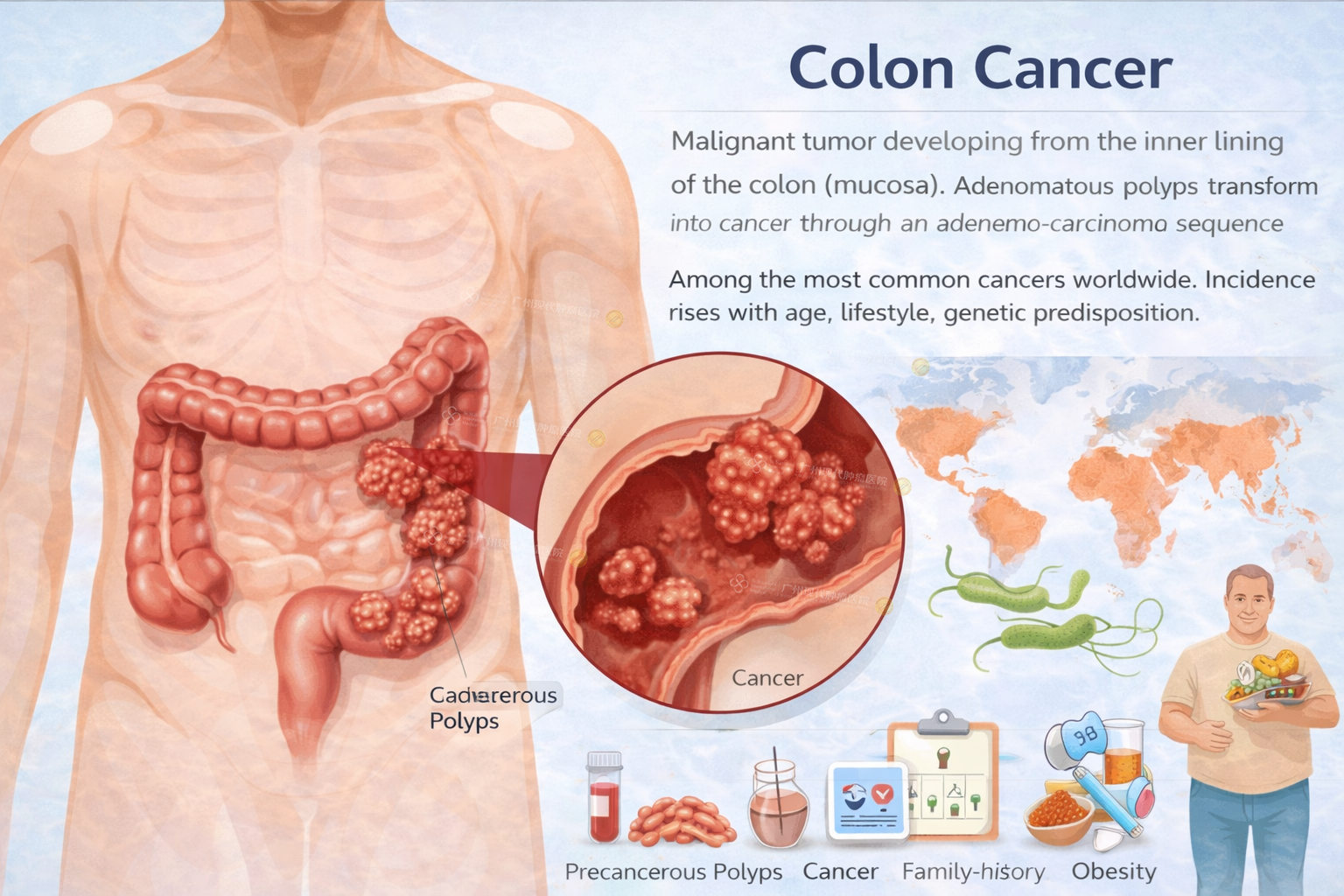
Colon cancer is a malignant tumor that develops from the inner lining (mucosa) of thecolon, which is the first and longest part of the large intestine. Most colon cancers arise fromadenomatous polyps—benign growths that slowly transform into cancer over years through a well-defined adenoma–carcinoma sequence.

Colon cancer is part ofcolorectal cancer (CRC), but clinically it is often discussed separately from rectal cancer because treatment approaches, surgery, and radiotherapy use differ.
Globally, colon cancer is among thetop three most common cancers, and its incidence increases with age, lifestyle factors, and genetic predisposition. Early-stage disease is often silent, making screening extremely important.
Types
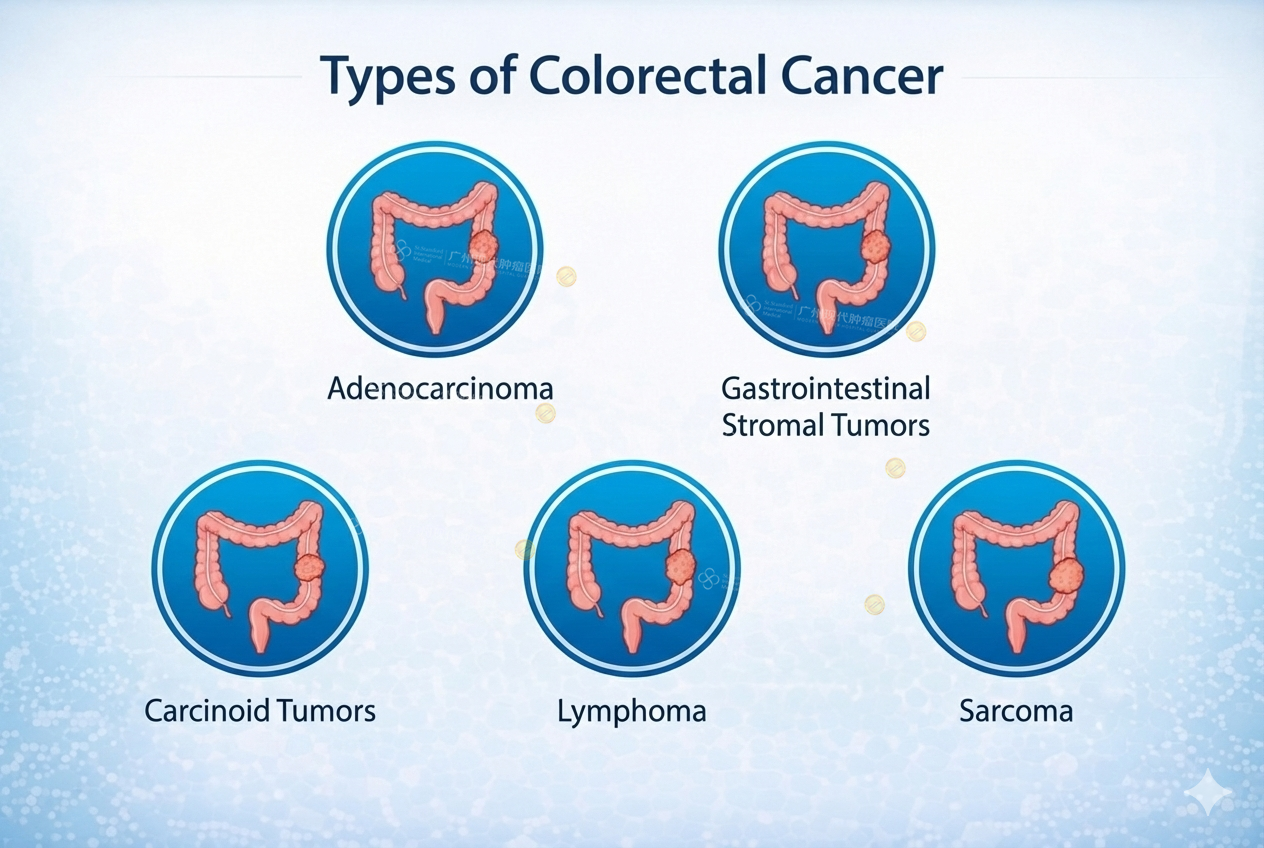
Colon cancer is classified based on histology and molecular features:
1. Adenocarcinoma (≈95%)
Originates from glandular epithelial cells
Most common type
Includes subtypes such as mucinous and signet-ring carcinoma
2. Mucinous Adenocarcinoma
Produces large amounts of mucus
Often more aggressive
Associated with poorer prognosis
3. Signet Ring Cell Carcinoma
Rare but highly aggressive
More common in younger patients
4. Neuroendocrine Tumors (NETs)
Arise from neuroendocrine cells
Usually slower growing
5. Lymphoma, Sarcoma, GIST
Very rare
Originate from non-epithelial tissues
Stages
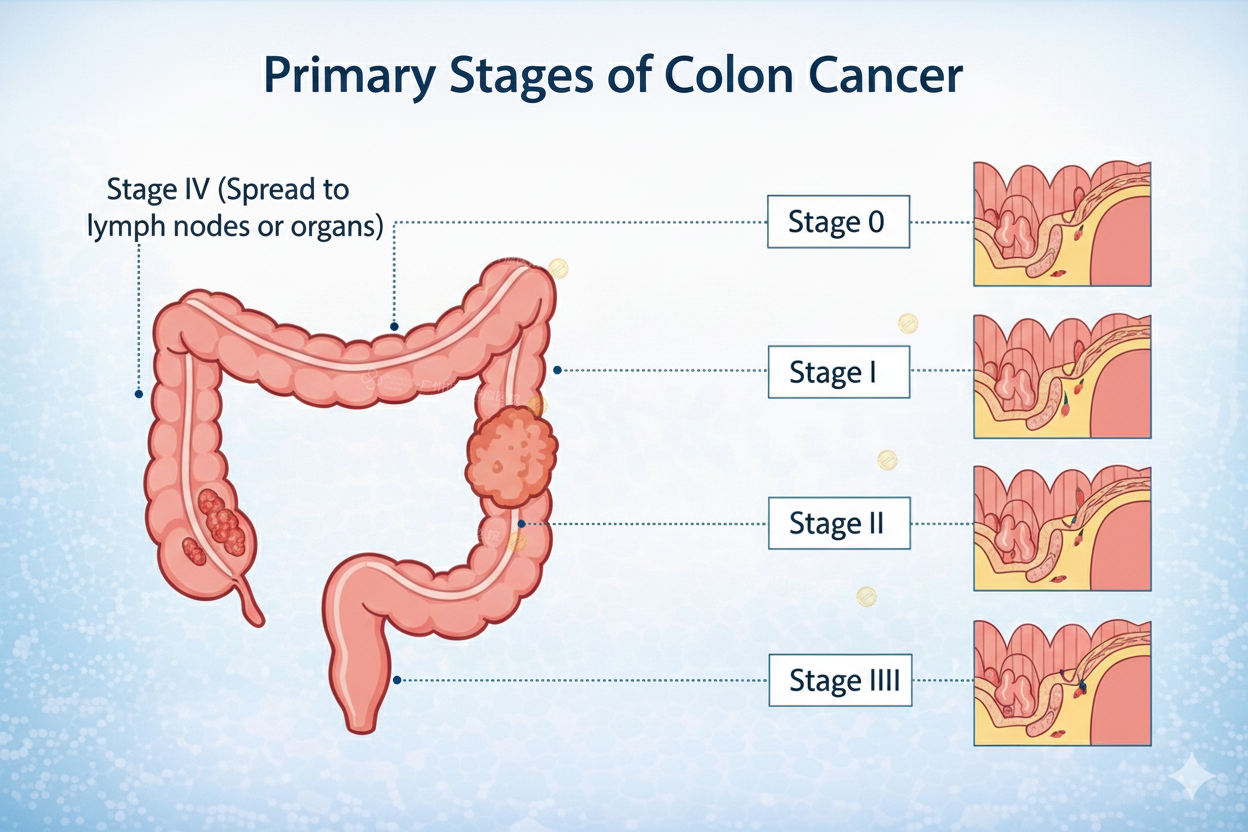
Colon cancer staging is crucial for prognosis and treatment planning.
Stage 0 (Carcinoma in situ)
Cancer limited to mucosa
No invasion
Stage I
Invades submucosa or muscularis propria
No lymph node involvement
Stage II (IIA–IIC)
Tumor penetrates through bowel wall
No lymph node involvement
Stage III (IIIA–IIIC)
Regional lymph node metastasis present
No distant spread
Stage IV
Distant metastasis (commonly liver, lungs, peritoneum, bone)
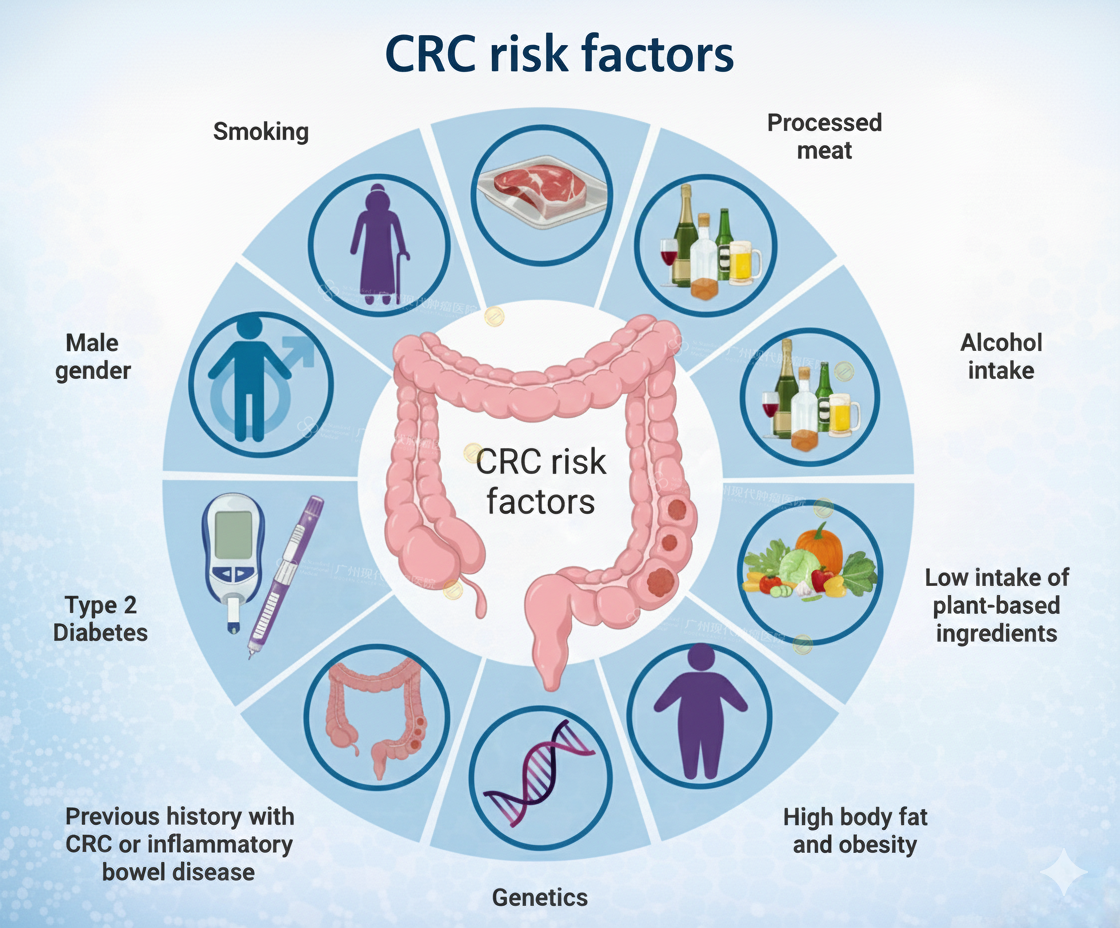
Risk Factors
Non-modifiable
Age >50 years
Family history of colorectal cancer
Genetic syndromes:
Lynch syndrome (HNPCC)
Familial adenomatous polyposis (FAP)
Inflammatory bowel disease (UC, Crohn’s)
Modifiable
Diet high in red/processed meat
Low fiber intake
Obesity
Physical inactivity
Smoking
Alcohol consumption
Type 2 diabetes
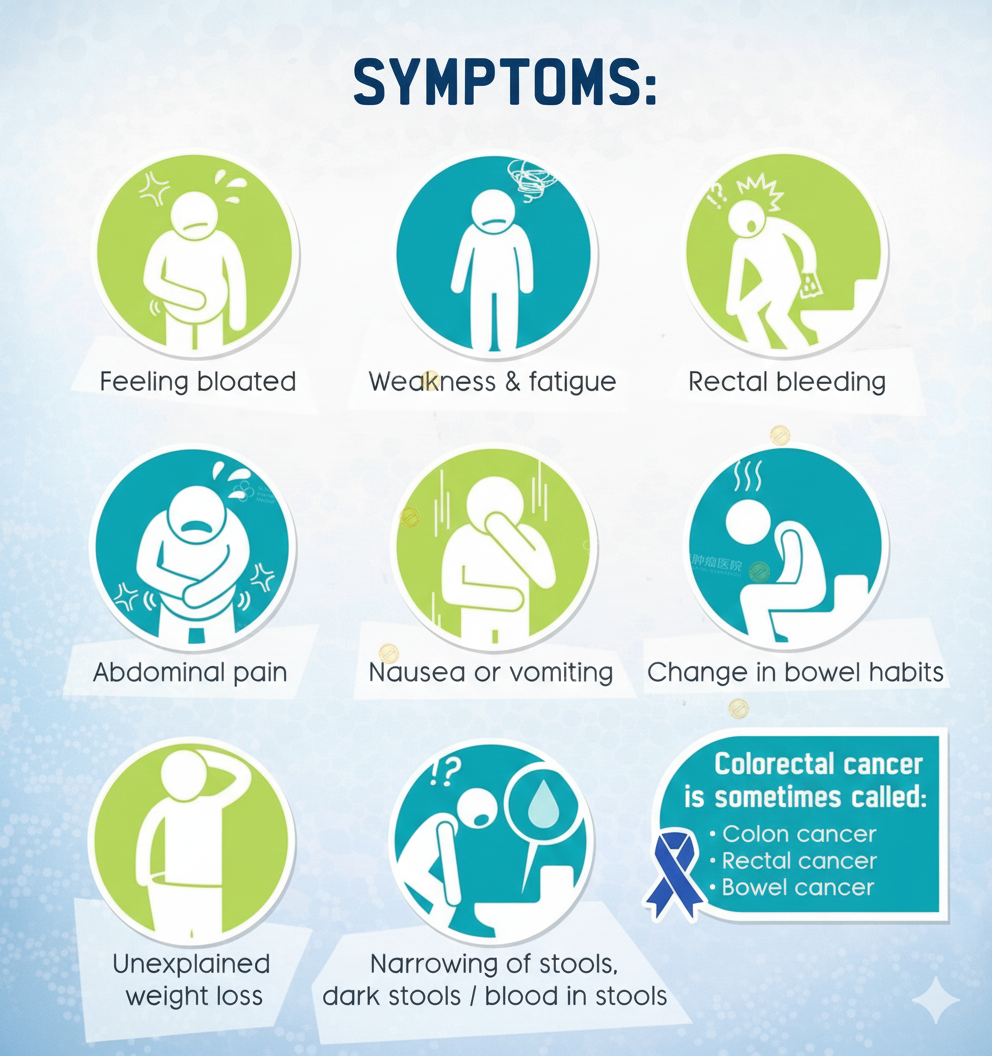
Symptoms
Early colon cancer is oftenasymptomatic. Symptoms usually appear in later stages.
Common symptoms
Change in bowel habits (diarrhea or constipation)
Blood in stool (occult or visible)
Iron-deficiency anemia
Fatigue and weakness
Abdominal pain or bloating
Unexplained weight loss
Right-sided colon cancer
Occult bleeding
Anemia
Fatigue
Left-sided colon cancer
Narrow stools
Obstruction
Visible bleeding
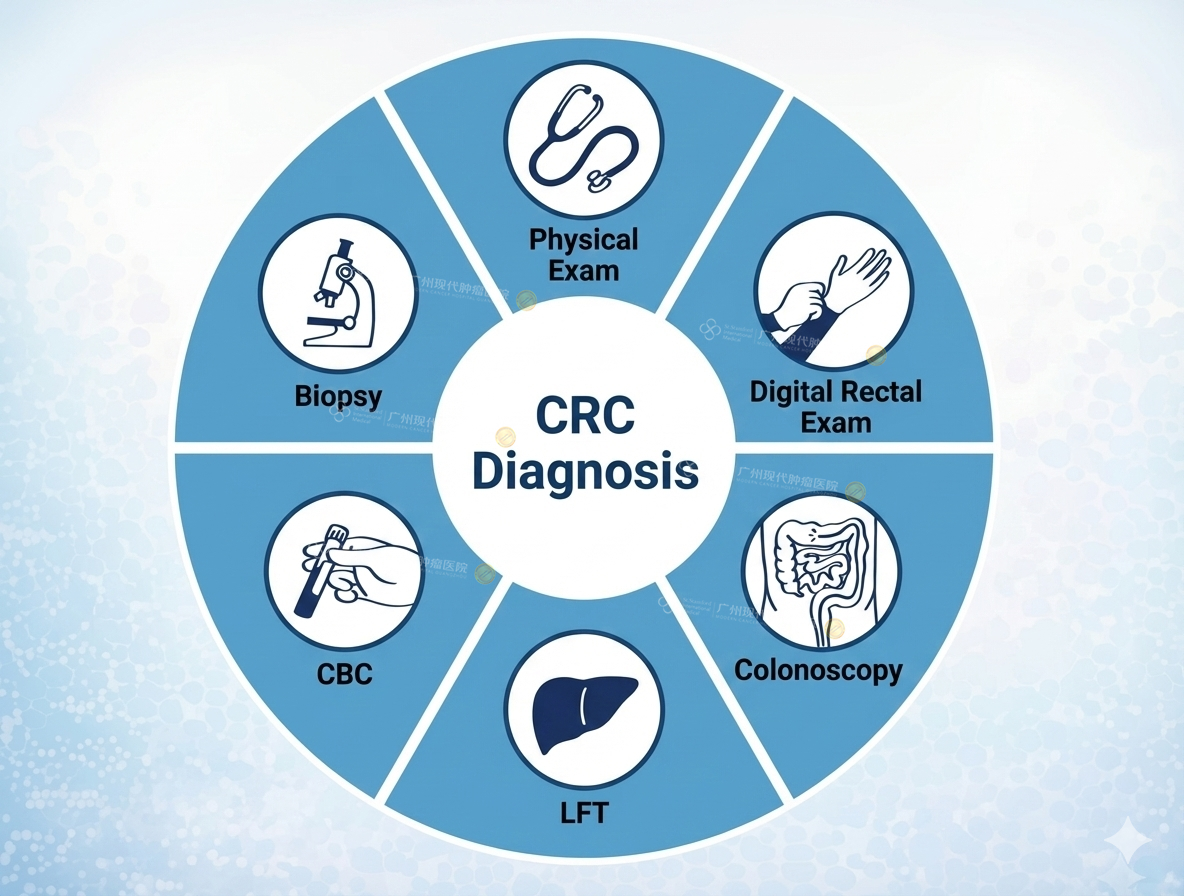
Diagnosis
1. Screening
Colonoscopy (gold standard)
Fecal occult blood test (FOBT)
FIT test
CT colonography
2. Diagnostic Tests
Colonoscopy with biopsy
Histopathological examination
3. Staging Workup
CT scan (chest, abdomen, pelvis)
MRI (selected cases)
PET-CT (advanced disease)
Tumor markers:
CEA (Carcinoembryonic Antigen) – for monitoring, not diagnosis
4. Molecular Testing
KRAS, NRAS, BRAF mutations
Microsatellite instability (MSI)
Mismatch repair (MMR) status
Q1: Is colon cancer preventable?
Yes. Most cases are preventable throughscreening and polyp removal.
Q2: When should screening start?
Average risk:age 45–50
High risk: earlier and more frequent screening
Q3: Is colon cancer curable?
Early-stage colon cancer has ahigh cure rate (>90%).
Q4: Does colon cancer always cause bleeding?
No. Especially right-sided tumors may bleed silently.
Q5: Can young adults get colon cancer?
Yes. Incidence in patients <50 is increasing worldwide.