Liver cancer
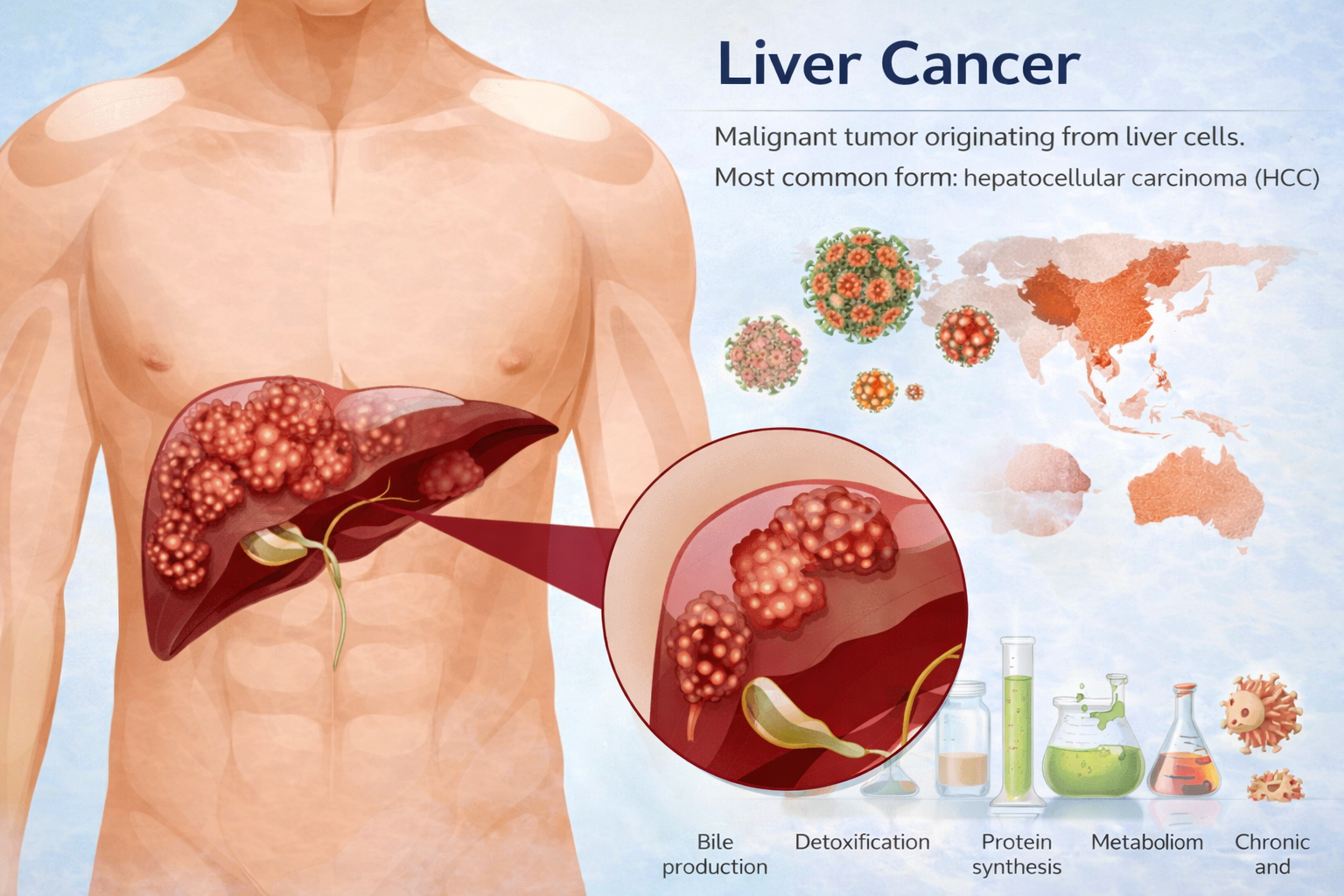
Liver cancer is a malignant tumor that originates from liver cells. The most common form ishepatocellular carcinoma (HCC), which develops from hepatocytes, the main functional cells of the liver. Less commonly, liver cancer may arise from bile duct cells or other liver tissues.
The liver plays a vital role in metabolism, detoxification, bile production, and protein synthesis. Because early liver cancer often causesfew or no symptoms, many patients are diagnosed at an advanced stage, when treatment options become limited.
Liver cancer is particularly common in regions with a high prevalence of chronic viral hepatitis, includingAsia and Africa. It is one of the leading causes of cancer-related death worldwide.
Types
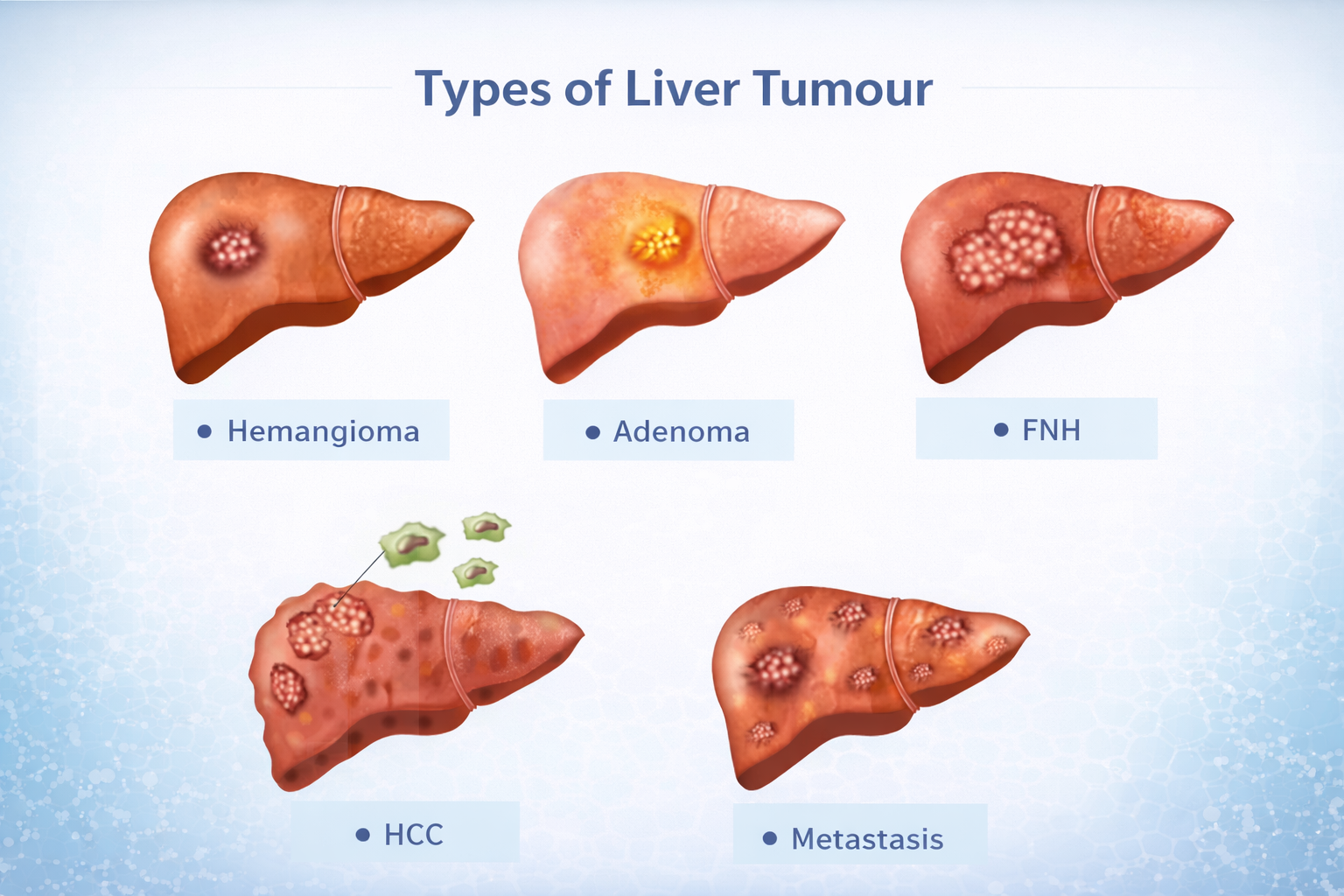
Cancer that starts in the liver.
Secondary (Metastatic) Liver Cancer
Cancer that spreads to the liver from other organs such as:
(Metastatic tumors are more common than primary liver cancer.)
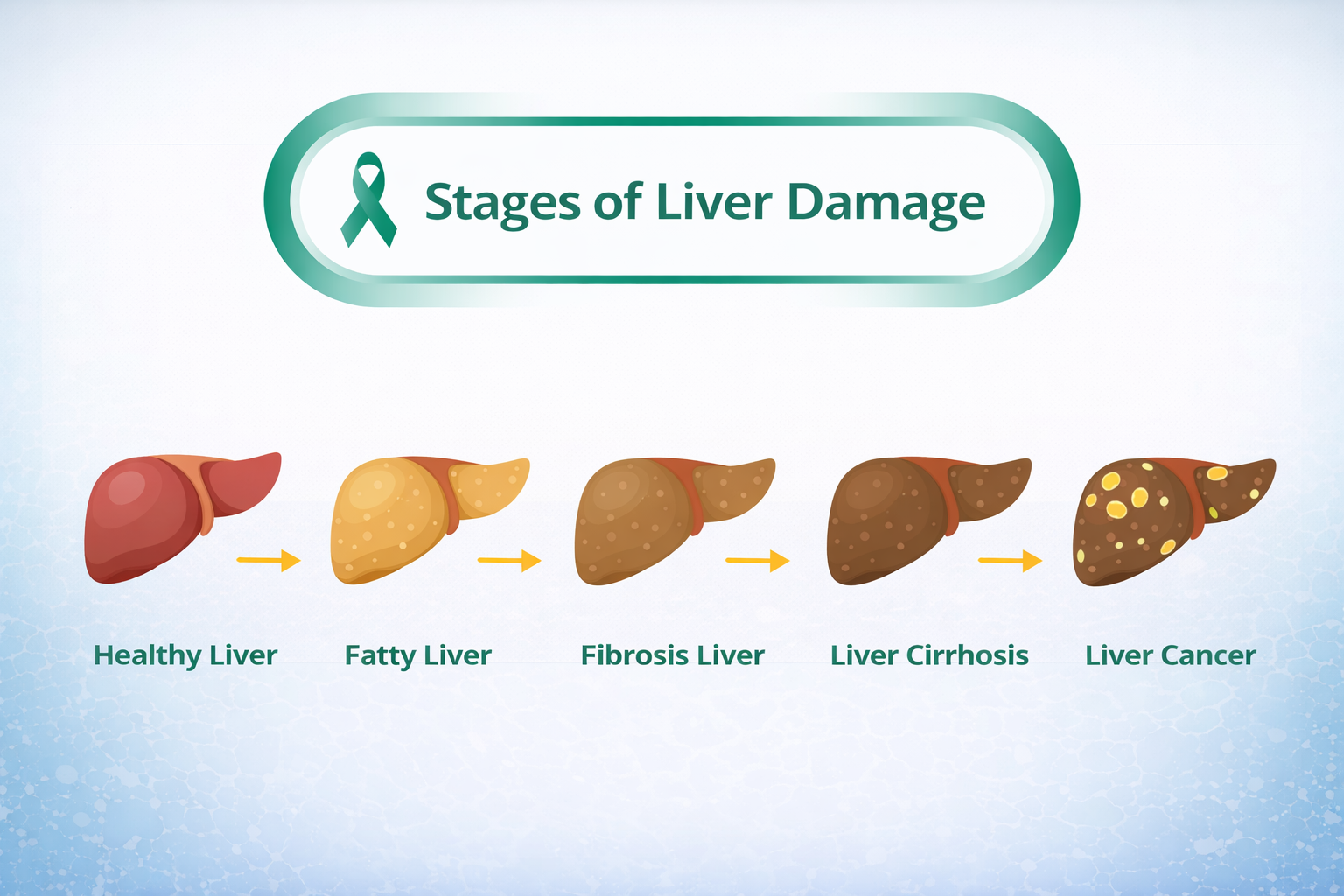
StagesLiver cancer staging considerstumor size, number, vascular invasion, liver function, and spread.
Poor liver function
Extensive tumor burden
Palliative care focus
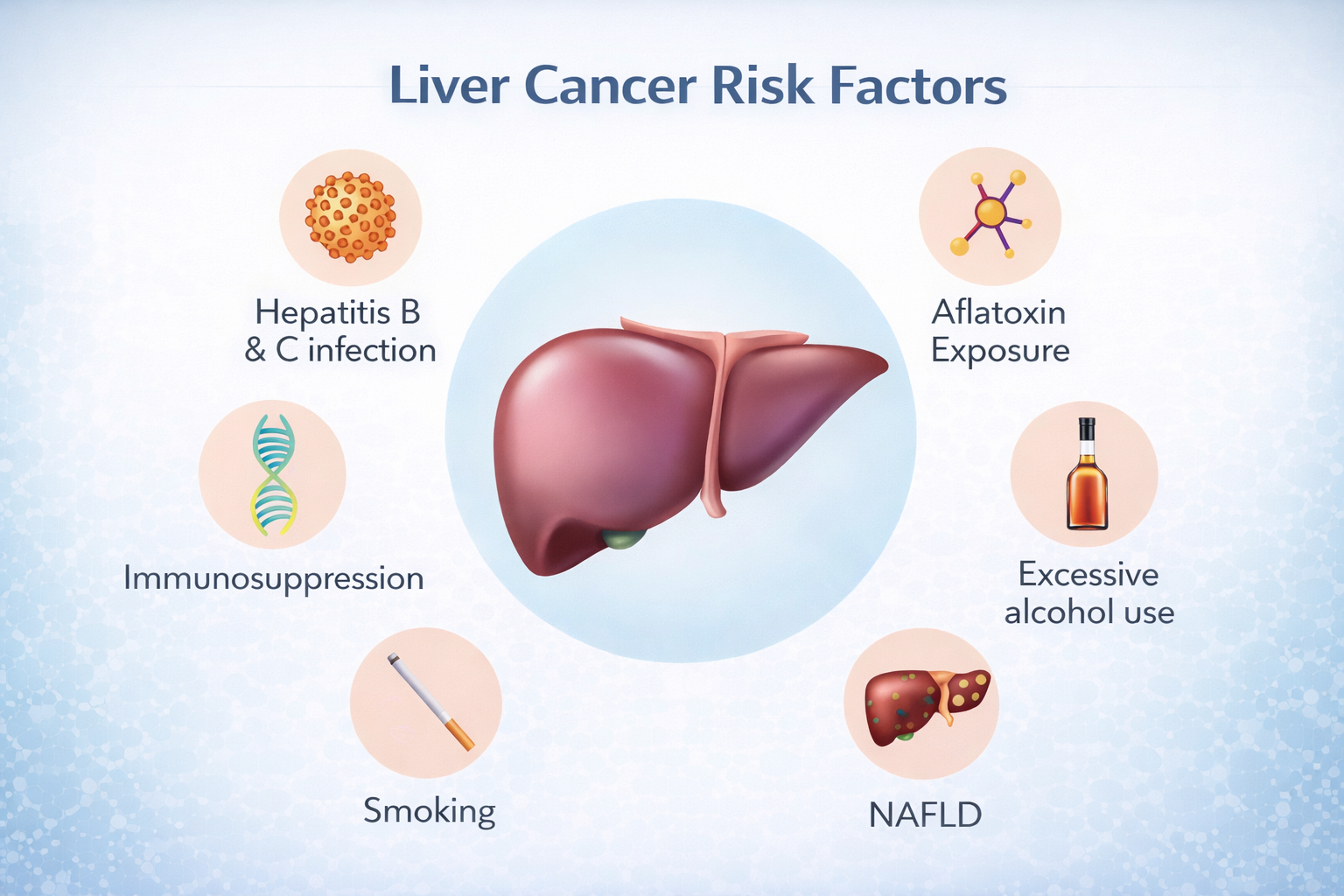
Risk Factors
ChronicHepatitis B or C infection
Liver cirrhosis (any cause)
Alcohol-related liver disease
Non-alcoholic fatty liver disease (NAFLD)
Diabetes and obesity
Exposure toaflatoxins(contaminated food)
Smoking
Family history of liver cancer
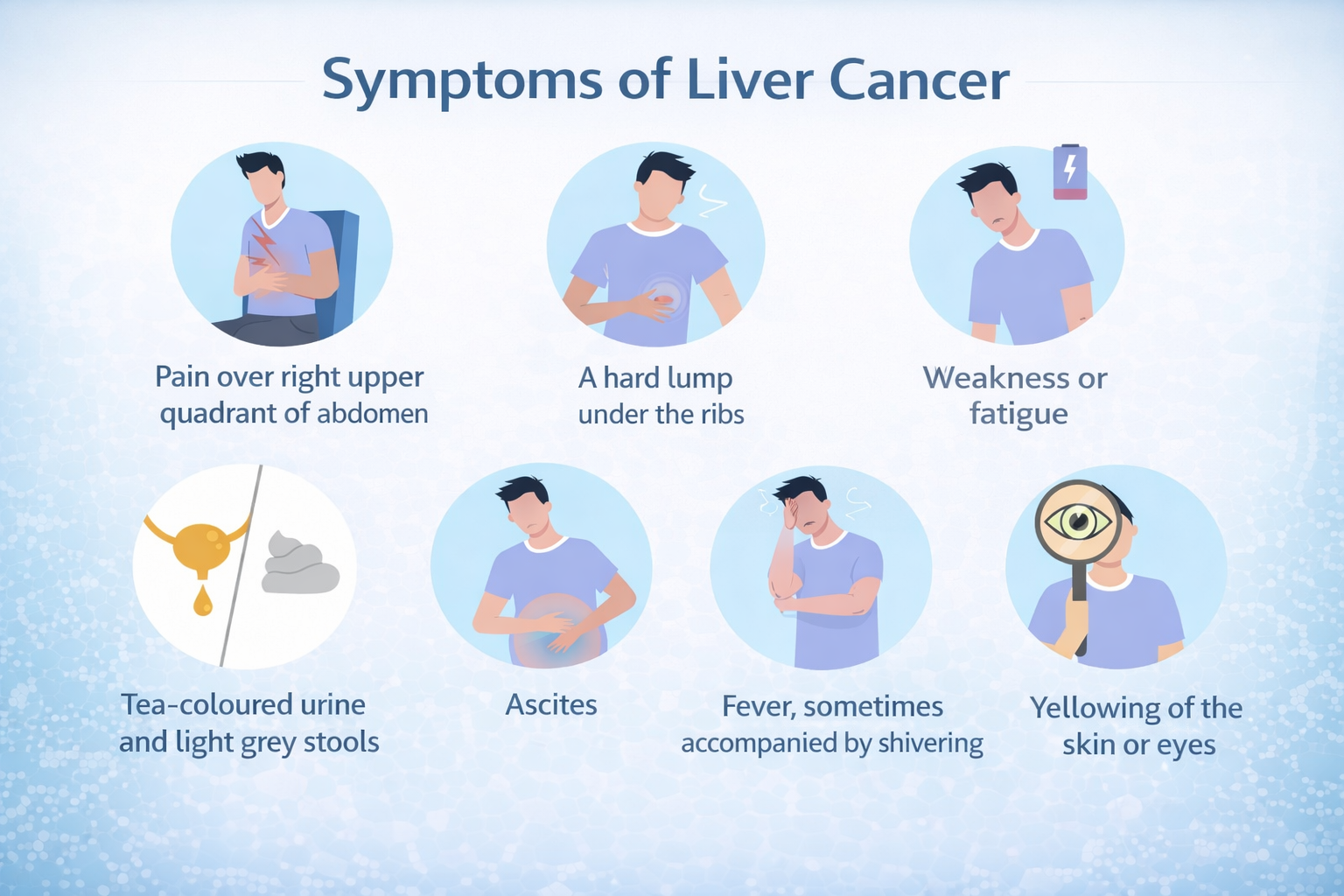
SymptomsEarly liver cancer is often asymptomatic.
As the disease progresses:
Right upper abdominal pain or discomfort
Unexplained weight loss
Loss of appetite
Fatigue and weakness
Abdominal swelling (ascites)
Jaundice (yellowing of skin and eyes)
Nausea or vomiting
Easy bruising or bleeding
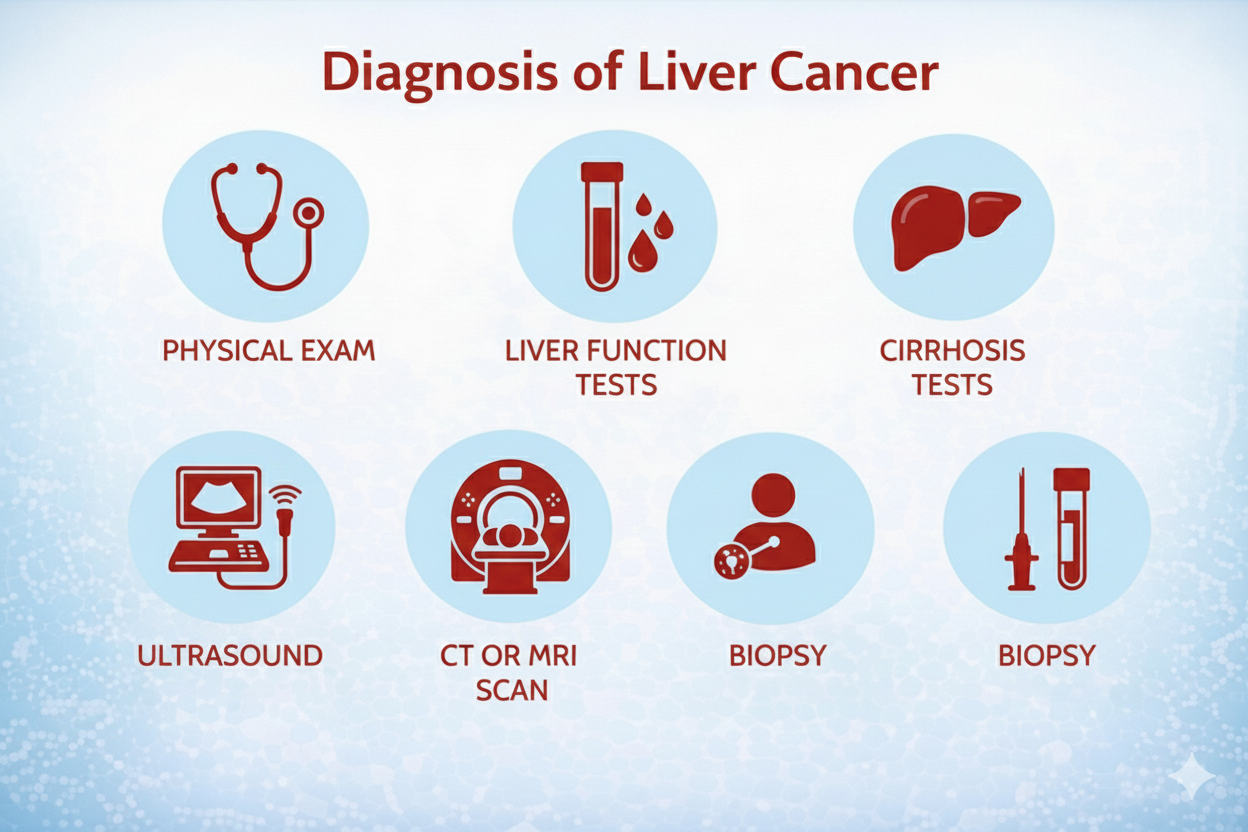
DiagnosisDiagnosis usually involves a combination of:
Q1: Can liver cancer be prevented?
Yes. Vaccination against Hepatitis B, early treatment of Hepatitis C, avoiding excessive alcohol, and maintaining a healthy weight significantly reduce risk.
Q2: Is liver cancer curable?
Early-stage liver cancer may be curable with surgery or transplantation. Advanced stages are usually not curable but treatable.
Q3: Who should be screened?
People with chronic hepatitis, cirrhosis, or long-term liver disease should undergo regular screening.
Q4: Does liver cancer grow fast?
Growth rate varies. Some tumors progress slowly, while others are aggressive.
Q5: Is liver cancer painful?
Pain usually occurs in later stages when the tumor enlarges or spreads.