Lung cancer
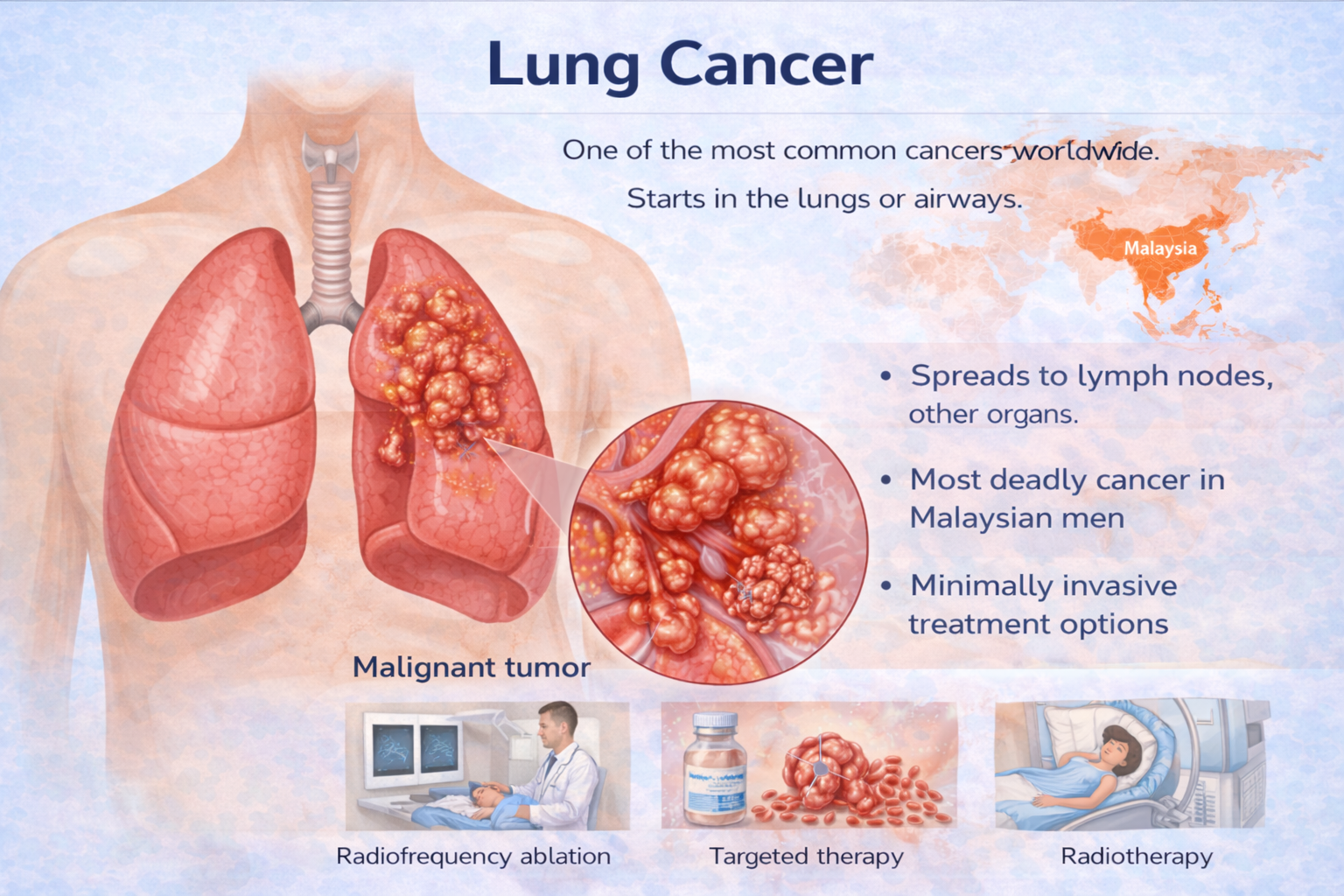
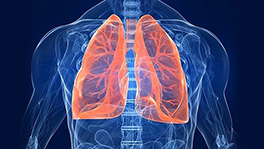
Lung cancer is one of the most common cancer in the world. Lung cancer starts in the lungs or airways (trachea and bronchi) and may spread to lymph nodes or other organs. Lung cancer is the second most common cancer in Malaysia and the second most common cancer among Malaysian men after colorectal cancer, with an incidence rate of 15.8% of all cancers. Lung cancer is the fifth most common cancer among Malaysian women, with an incidence rate of 5.6%. Although lung cancer is only the second most common cancer, it is the number one killer of male cancer patients in Malaysia, accounting for nearly 25%, that is, 1 out of every 4 male cancer patients will die from lung cancer, while it is the second most common cancer in women. Killer', lung cancer accounts for 15% of all cancer deaths in women.
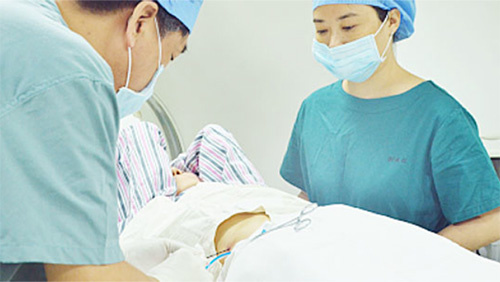
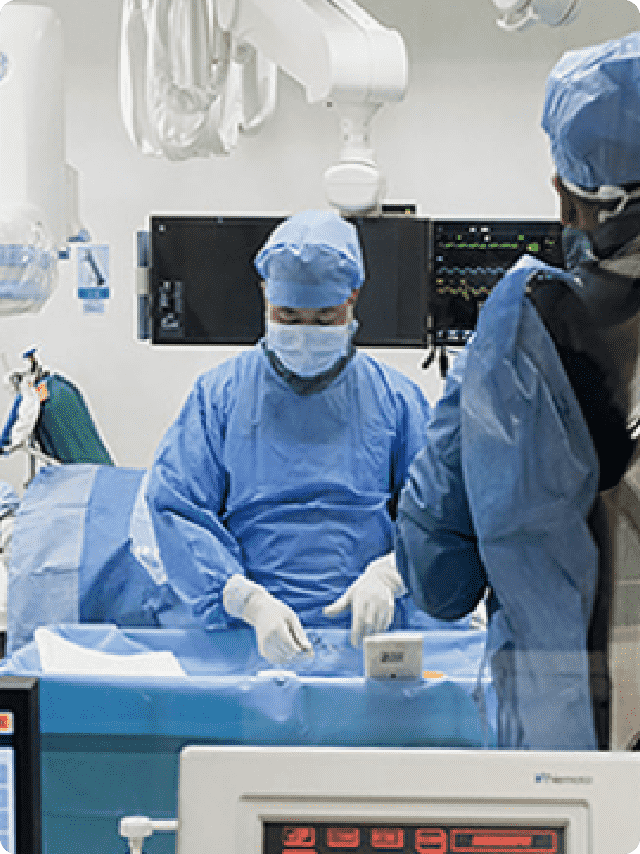
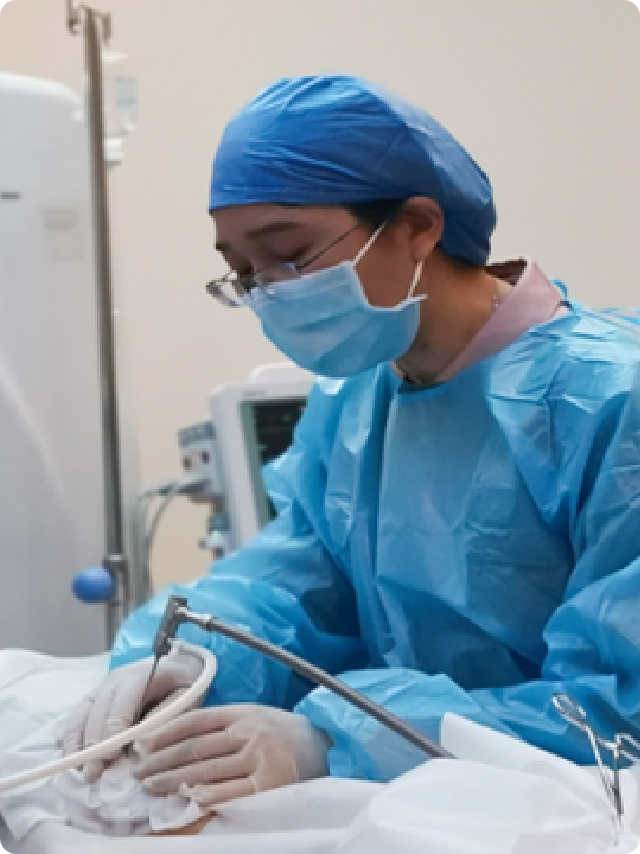
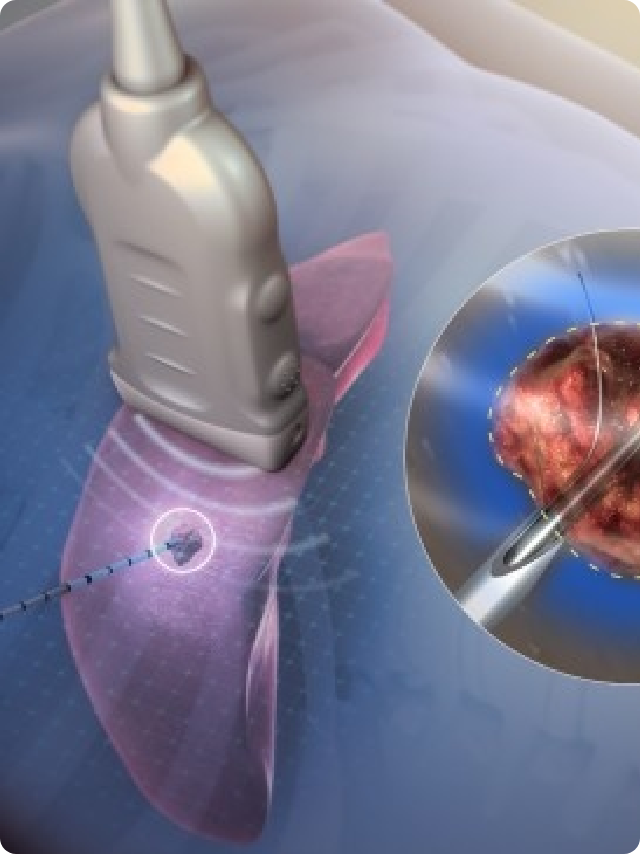
So can middle and late-staged lung cancer be treated? The minimally invasive technique with less side effects and less trauma can help lung patients avoid surgical resection, avoid the pain of traditional radiotherapy and chemotherapy, effectively prolong the survival period and improve the quality of life.
Types
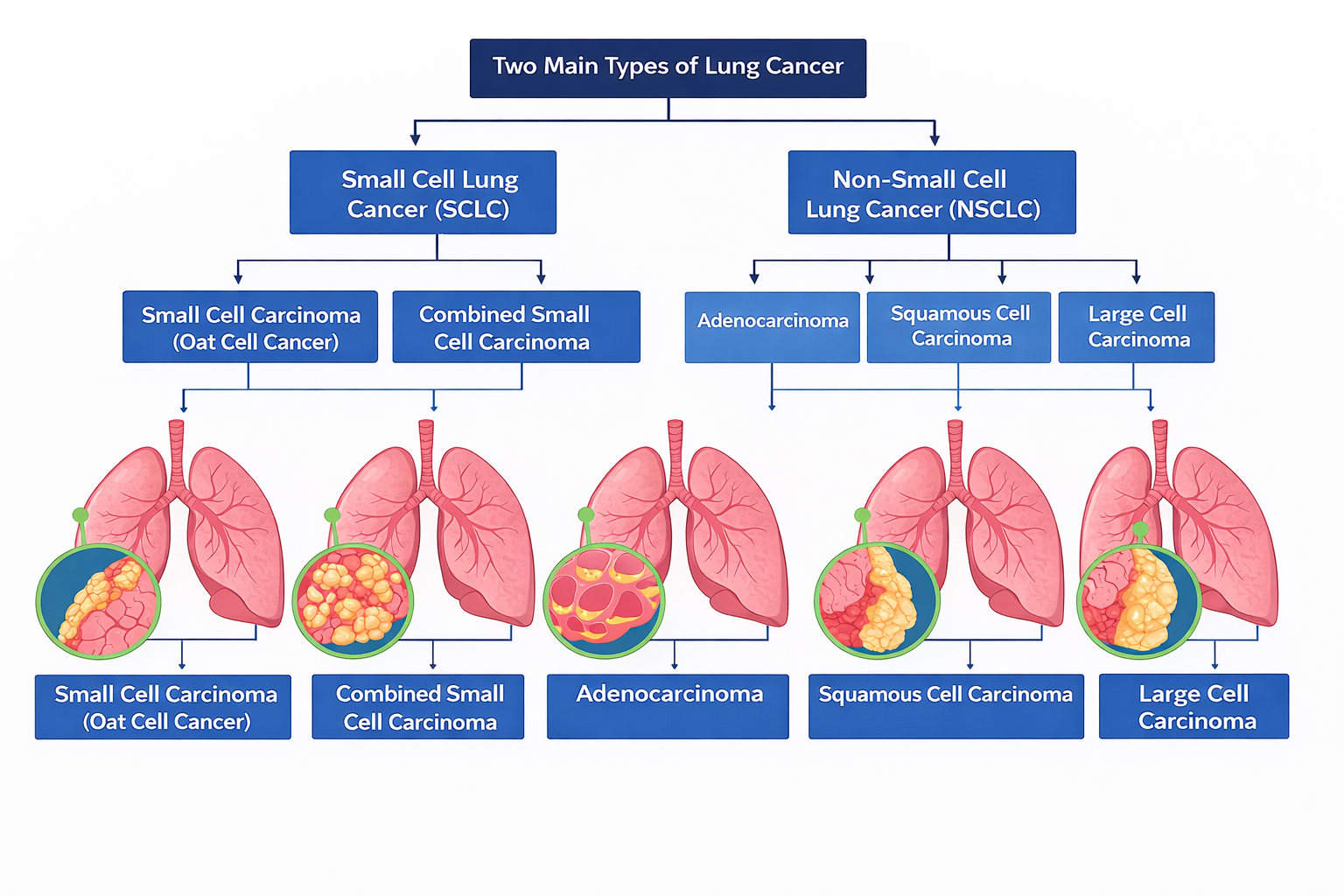
Lung cancer is classified based on histopathological appearance.
Non-Small Cell Lung Cancer (NSCLC)
Accounts for approximately80–85%of all lung cancer cases.
Adenocarcinoma
The most common subtype, arising from glandular epithelial cells. Often located in the peripheral lung and more frequent in non-smokers.
Squamous Cell Carcinoma
Strongly linked to smoking and typically arises in central bronchi.
Large Cell Carcinoma
Poorly differentiated, aggressive tumors lacking features of other subtypes.
Small Cell Lung Cancer (SCLC)
Represents15–20%of cases.
Rapid growth and early metastasis
Strong association with tobacco use
Frequently associated with paraneoplastic syndromes
Stages
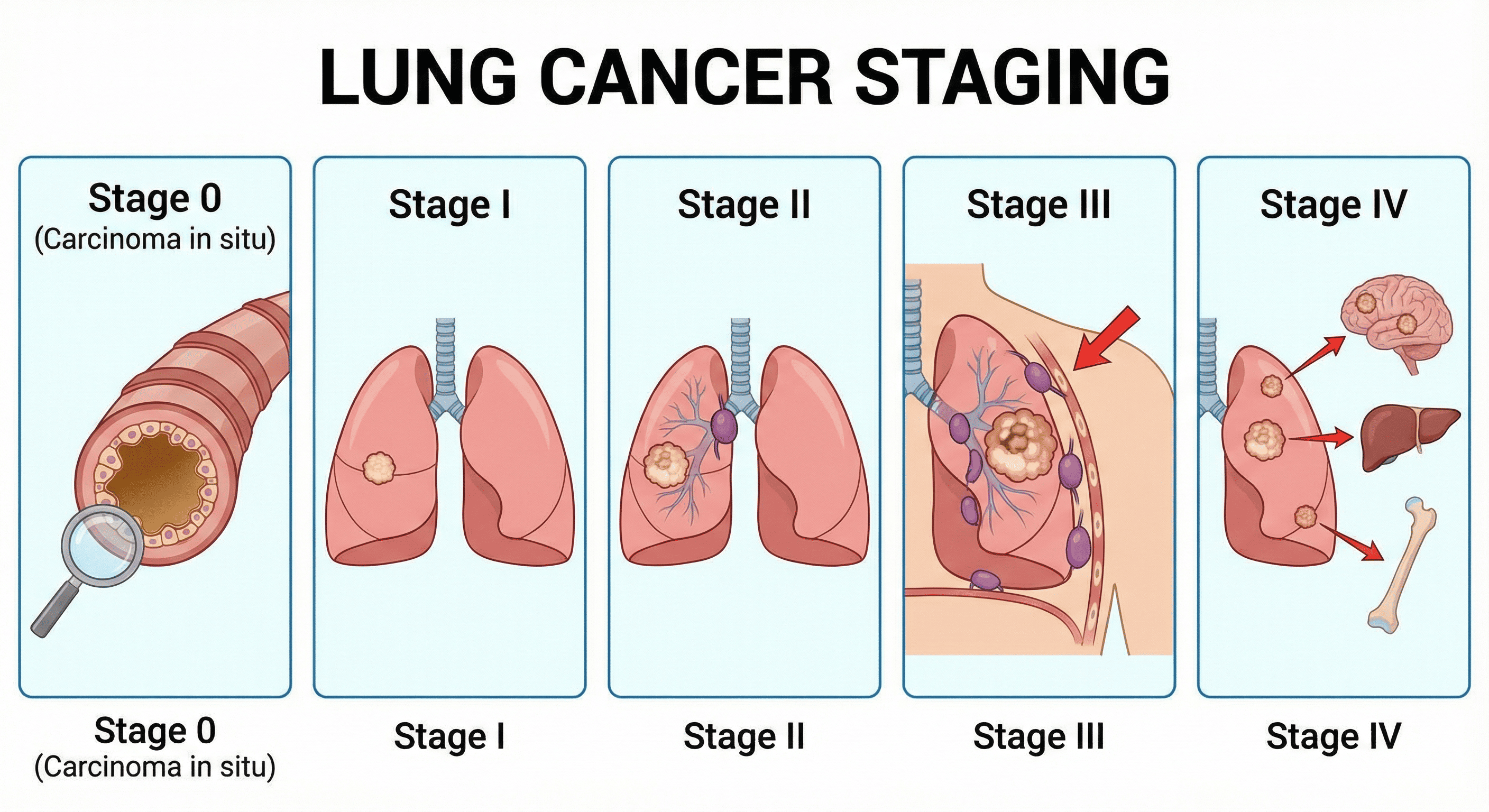
Lung cancer staging describes the extent of disease and helps guide treatment decisions. Staging is based on the TNM system (Tumor size, lymph Node involvement, and Metastasis).
Risk Factors
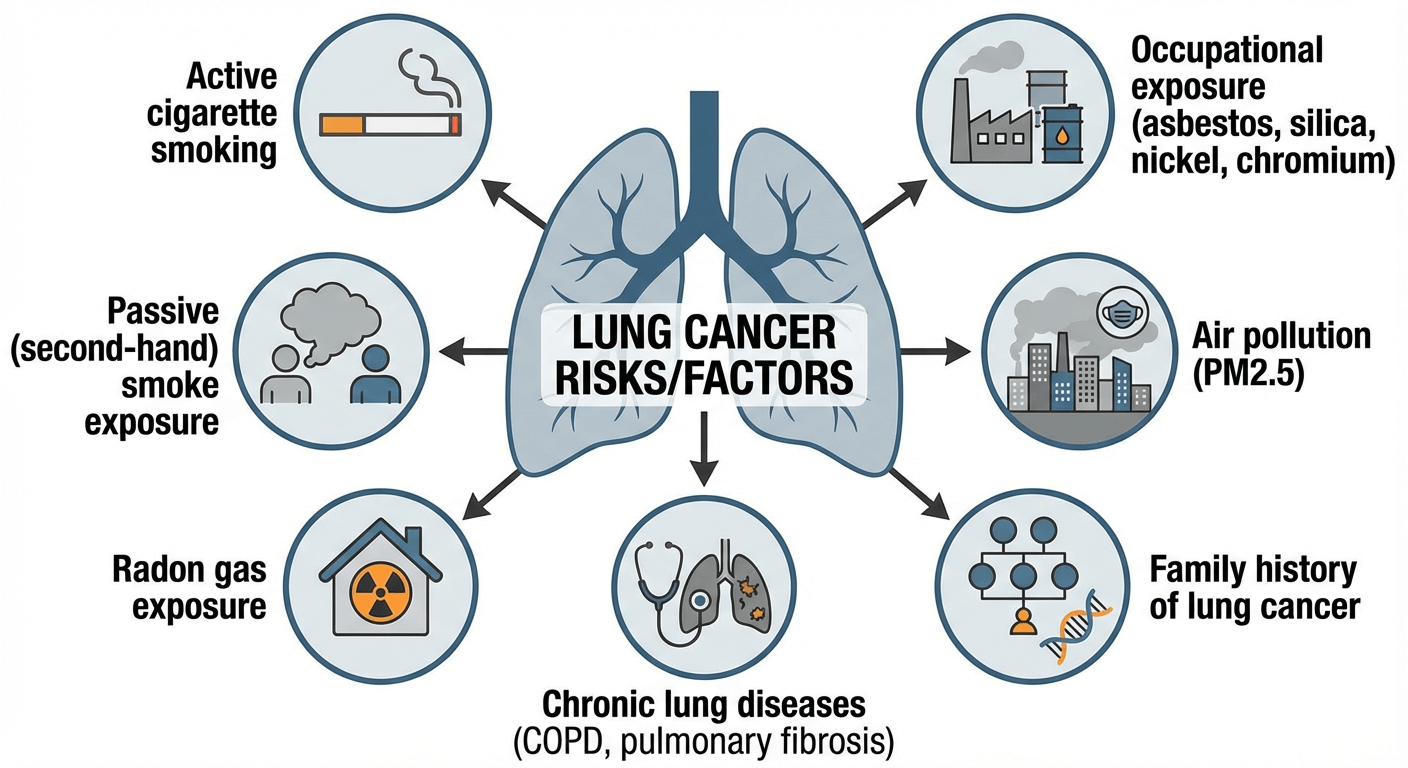
Factors increasing the likelihood of lung cancer include:
Active cigarette smoking
Passive (second-hand) smoke exposure
Radon gas exposure
Occupational exposure (asbestos, silica, nickel, chromium)
Air pollution (PM2.5)
Family history of lung cancer
Chronic lung diseases (COPD, pulmonary fibrosis
Symptoms
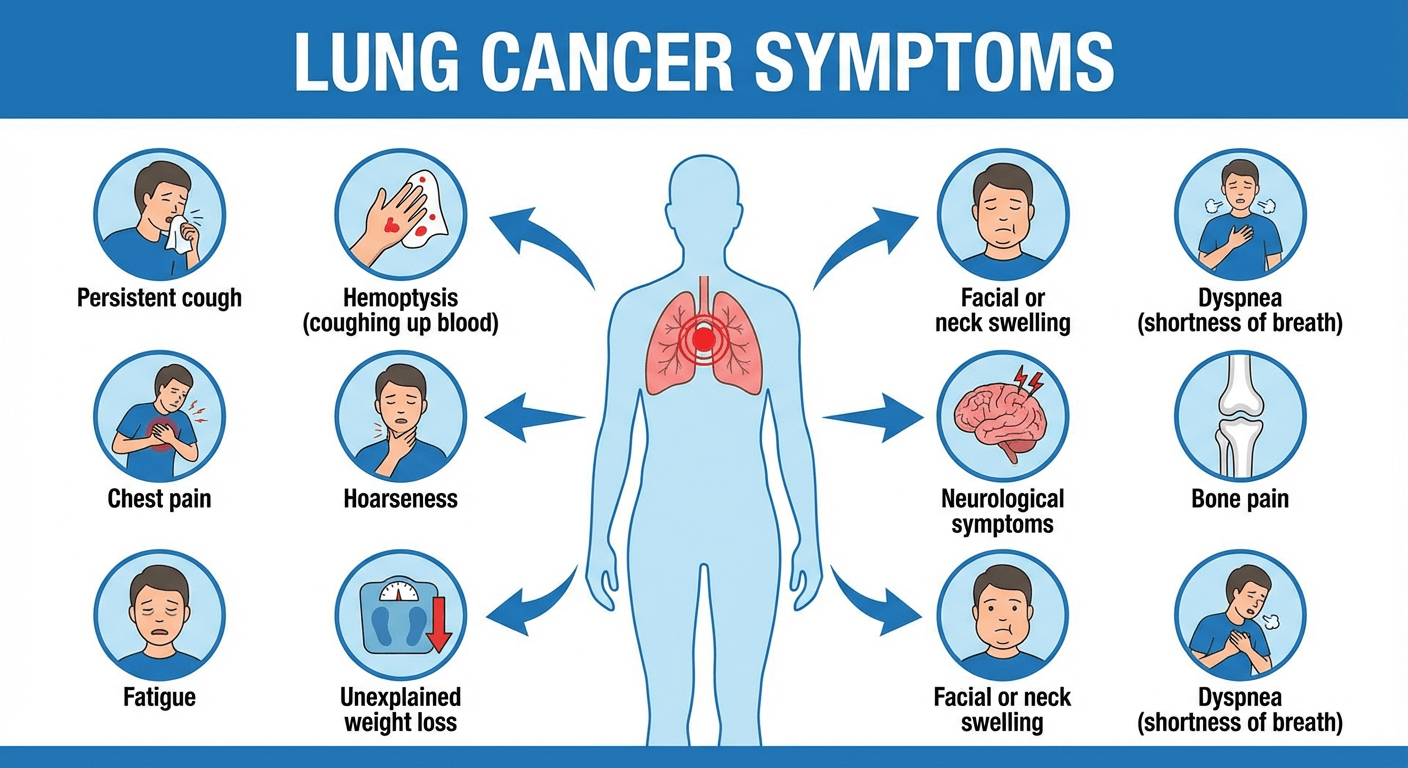
Early-stage disease
Often asymptomatic or nonspecific.
Diagnosis
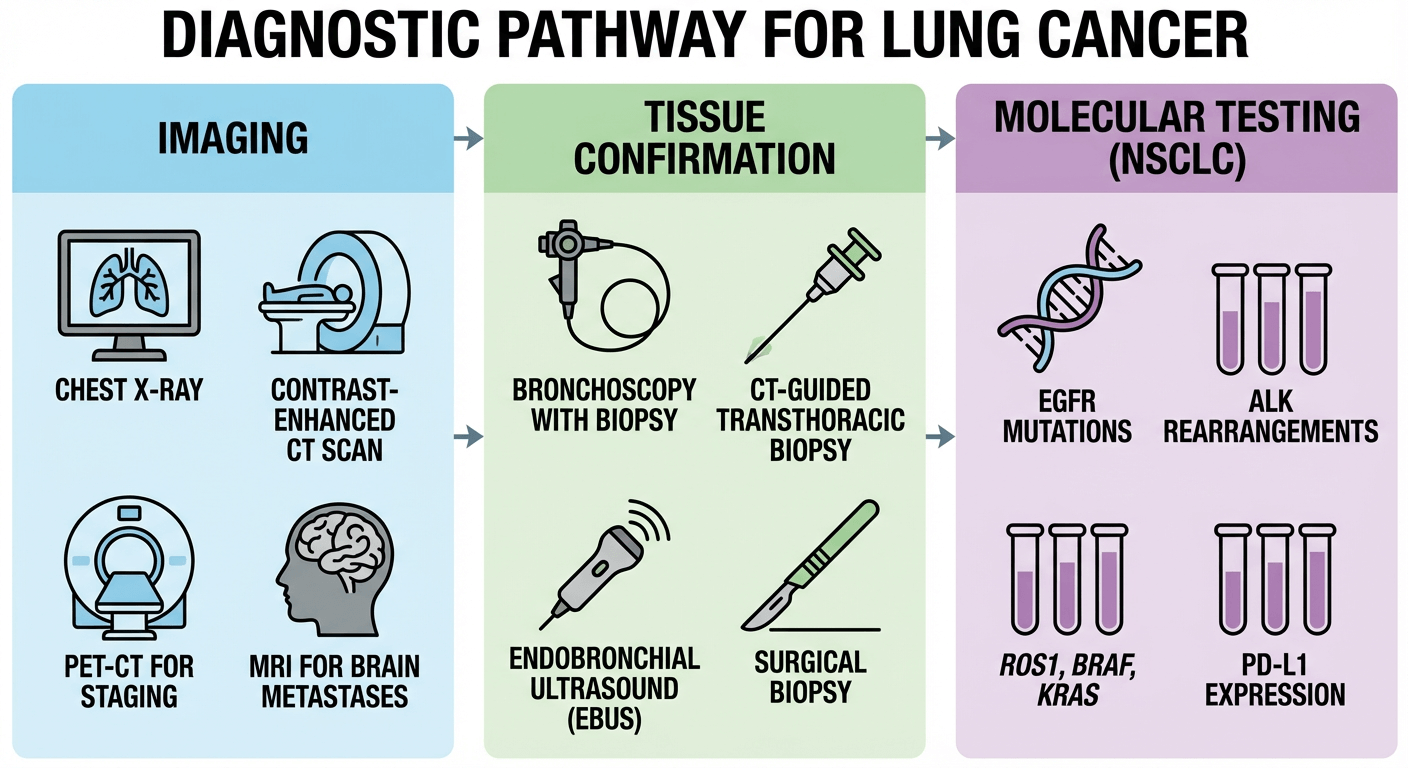
Diagnosis requires imaging and histological confirmation.
Molecular testing (NSCLC)
EGFR mutations
ALK rearrangements
ROS1, BRAF, KRAS
PD-L1 expression
Facts (FAQ)
Q1: Is lung cancer curable?
Early-stage lung cancer may be curable with surgery and adjuvant therapy. Advanced disease is generally treated palliatively.
Q2: Can non-smokers develop lung cancer?
Yes. Environmental exposure, genetics, and radon are recognized causes.
Q3: Why is molecular testing important?
It guides personalized therapy and improves outcomes.
Q4: Is screening effective?
Low-dose CT screening reduces lung cancer mortality in high-risk individuals.
Q5: Can non-smokers get lung cancer?
Yes. Environmental exposure, radon gas, occupational hazards, and genetics contribute to lung cancer in non-smokers.
Q6: Is lung cancer curable?
Early-stage lung cancer may be cured with surgery and adjuvant therapy. Advanced disease is typically managed to prolong survival and relieve symptoms.
Q7: Why is lung cancer often detected late?
Early disease is frequently asymptomatic, delaying diagnosis until advanced stages.
Q8: Who should undergo lung cancer screening?
High-risk individuals aged 50–80 with a significant smoking history benefit from annual low-dose CT screening.