


SCI-Accredited Evidence: Scientific Responses to Clinical Challenges

Research transcends publication—it must return to the bedside, transforming every finding into an optimized treatment.

88+
Medical services covering countries and regions
60,000+
International patients served
30,000+
Professional consultations for international patients
JCI
Accredited hospital
SCI Core Research Achievements

Ovarian cancer transformation from adenocarcinoma to undifferentiated small cell carcinoma: A case report

This case highlights tumor “evolution” under treatment pressure, driven by aberrant differentiation of cancer stem cells, as ovarian cancer transitioned from adenocarcinoma to undifferentiated small cell carcinoma. Dynamic evaluation with repeated biopsy is essential to guide timely treatment adjustments.

Clinical translation:
For patients with poor response or relapse after treatment, repeat biopsy should be considered to identify potential histologic transformation, enabling tailored dynamic therapy beyond the original treatment plan.

The complete recanalization of PICC-related venous thrombosis in cancer patients: A series of case reports

PNS achieved complete thrombus resolution in 3 cancer patients with PICC-related venous thrombosis who were unsuitable for heparin/urokinase. PNS is a safe and effective alternative treatment.

Clinical translation:
This provides a novel traditional Chinese medicine-based treatment option for cancer patients with tumor-associated thrombosis who are at high bleeding risk or have contraindications to anticoagulation, potentially reducing the complexity of managing catheter-related complications.

Radioactive ¹²⁵I seed inhibits the cell growth, migration, and invasion of nasopharyngeal carcinoma by triggering DNA damage and inactivating VEGF-A/ERK signaling

Radioactive ¹²⁵I seeds inhibit nasopharyngeal carcinoma cell growth, migration, and invasion by triggering DNA damage and inactivating VEGF-A/ERK signaling, outperforming X-ray irradiation.

Clinical translation:
This confirms that ¹²⁵I seed implantation offers significant therapeutic benefits for nasopharyngeal carcinoma patients with local recurrence or insensitivity to external beam radiotherapy, providing an effective minimally invasive local treatment option in clinical practice.

Treatment of mid-late stage NSCLC using sodium cantharidinate/vitamin B6/GP regimen in clinic

Sodium cantharidinate/vitamin B6 combined with the GP regimen achieved a response rate of 57.8% versus 36.6% in patients with mid-late stage non-small cell lung cancer, along with improved quality of life and reduced toxicity.

Clinical translation:
The combination of sodium cantharidinate/vitamin B6 with the GP regimen offers a higher response rate and better quality of life for patients with mid-late stage NSCLC, representing a promising clinical treatment strategy.

Assessing the Safety and Efficacy of Fecal Microbiota Transplantation for Severe Chemotherapy-Induced Diarrhea in Colorectal Cancer Patients: A Single-Arm Clinical Trial

(FMT capsules achieved 85% response in 20 CRC patients with severe refractory chemotherapy-induced diarrhea, improved microbiota diversity and immune cells (B cells, CD8+ T, NK), and were safe. FMT is a safe and effective treatment.)

Clinical translation:
This offers a breakthrough therapy for severe chemotherapy-induced diarrhea unresponsive to standard antidiarrheal agents, providing not only symptom control but also potential antitumor benefits through immune modulation.

Leading Experts: Pioneers in Clinical Research
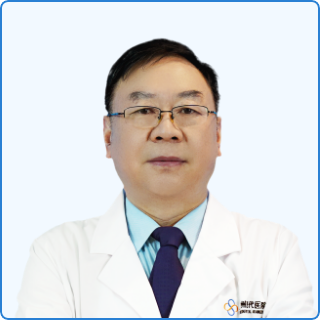
Dr. Song Shijun
Dr. Song Shijun
Chief Expert, International Oncology

Member of CSCO, ASCO, and ESMO

Over 40 years of clinical experience

Research paper:
Effect of Radiofrequency Ablation on Immune Function in Lung Cancer Patients
Significance: Radiofrequency ablation significantly enhances cellular immune function in lung cancer patients, playing an important role in comprehensive treatment.
Effect of Radiofrequency Ablation on Immune Function in Liver Cancer Patients
Significance: Patients with primary liver cancer often present with immunosuppression. Radiofrequency ablation significantly enhances immune function, offering important therapeutic benefits.
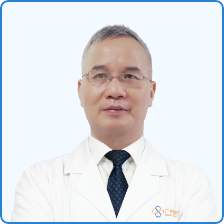
Dr. Dai Wenyan
Dr. Dai Wenyan
Head of Breast Specialty

Over 20 years of experience in oncology

Expert in breast cancer diagnosis and treatment
Research paper:
Comparative Analysis of Clinical Efficacy of Argon-Helium Cryoablation Combined with Chemotherapy versus Chemotherapy Alone in the Treatment of Advanced Triple-Negative Breast Cancer
Significance: Argon-helium cryoablation combined with chemotherapy achieves a synergistic effect (1+1>2) in the treatment of advanced triple-negative breast cancer, with progression-free survival superior to chemotherapy alone
Analysis of ¹²⁵I Seed Implantation for Retroperitoneal Lymph Node Metastases
Significance: ¹²⁵I seed implantation significantly alleviates pain and provides effective local tumor control in patients with retroperitoneal lymph node metastases
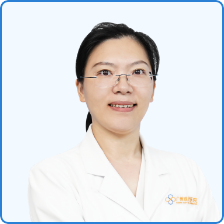
Dr. Huang Zuoping
Dr. Huang Zuoping
International Oncology Specialist

M.D.

Over 30 years of clinical experience
Research paper:
The Complete Recanalization of PICC-related Venous Thrombosis in Cancer Patients: A Series of Case Reports
Significance: This provides a feasible and effective treatment option for cancer patients with PICC-related venous thrombosis.
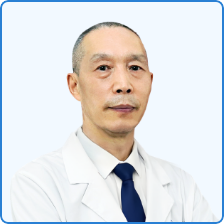
Dr. Ma Xiaoying
Dr. Ma Xiaoying
Head of Gastrointestinal Oncology

Over 20 years of experience in oncology

Expert in Gastrointestinal Endoscopy
Research paper:
Clinical Observation of Argon-Helium Cryoablation Combined with FOLFIRI Regimen for Postoperative Liver Metastases from Colorectal Cancer
Significance: Argon-helium cryoablation combined with systemic FOLFIRI chemotherapy achieves superior efficacy in treating postoperative liver metastases from colorectal cancer compared with systemic chemotherapy alone.
Dr. Wang Ligen
Dr. Wang Ligen
Director, International Medical Technology Exchange Center

M.D.

Over 40 years of clinical and research experience in oncology

Research paper:
Californium-252 neutron brachytherapy combined with external pelvic radiotherapy plus concurrent chemotherapy for cervical cancer: a retrospective clinical study
Significance: Californium-252 neutron brachytherapy combined with external pelvic radiotherapy and concurrent cisplatin chemotherapy achieves rapid onset of action in cervical cancer patients, significantly improving local control and long-term survival with manageable toxicity.
Dr. Wang Baoli
Dr. Wang Baoli
International Oncology Specialist

Member of the Interventional Professional Committee, Guangzhou Medical Association

Over 20 years of experience in oncology

Research paper:
Treatment of mid-late stage NSCLC using sodium cantharidinate/vitamin B6/GP regimen in clinic
Significance: The combination of sodium cantharidinate/vitamin B6 with the GP regimen achieves a higher response rate and improved quality of life in patients with mid-late stage non-small cell lung cancer.

Leading Experts: Pioneers in Clinical Research

Paper Classification
Effect of Radiofrequency Ablation on Immune Function in Lung Cancer Patients
Abstract: Objective: To investigate the effect of radiofrequency ablation on immune function in lung cancer patients. Conclusion: Radiofrequency ablation significantly enhances immune function in lung cancer patients and plays an important role in comprehensive treatment.
Authors: Song Shijun, et al.
Source: *Journal of Clinical Psychosomatic Diseases*, Volume 22, Issue 3, May 2016
Clinical Study of Docetaxel Combined with Oxaliplatin versus Docetaxel Combined with Cisplatin in the Treatment of Advanced Non-Small Cell Lung Cancer
Abstract:Objective: To observe the short-term efficacy and toxicity of docetaxel combined with oxaliplatin versus docetaxel combined with cisplatin in the treatment of advanced non-small cell lung cancer.
Authors: He Jianyu, et al.
Source: Journal of Tongji University (Medical Edition), Issue 6, 2010, pp. 83–88
Clinical Observation and Nursing Care of Radioactive ¹²⁵I Seed Implantation in the Treatment of Advanced Lung Cancer
Abstract: To analyze the complications and nursing strategies of CT-guided ¹²⁵I seed implantation in the treatment of advanced lung cancer. Conclusion: Postoperative vital signs should be closely monitored, and timely measures should be taken to prevent and manage complications.
Authors: Wang Junlan, Xiao Juan, et al.
Source: Nursing Practice and Research, Volume 9, Issue 13 (First Half), 2012, pp. 85–86
Effect of Radiofrequency Ablation on Immune Function in Liver Cancer Patients
Abstract: Objective: To investigate the effect of radiofrequency ablation on immune function in liver cancer patients. Conclusion: Patients with primary liver cancer often present with immunosuppression, and radiofrequency ablation significantly improves immune function.
Authors: Song Shijun, et al.
Source: Journal of Clinical Psychosomatic Diseases, Volume 25, Issue 3, May 2019
Clinical Efficacy Evaluation of Hepatic Arterial Thermochemoembolization Combined with CT-Guided Radiofrequency Ablation for Liver Malignancies
Abstract: Objective: To evaluate the clinical efficacy of hepatic arterial thermochemoembolization combined with CT-guided radiofrequency ablation for liver malignancies. Conclusion: This combined treatment significantly improves immune function in patients.
Authors: Zhen Yanli, Ban Zhonghua, et al.
Source: Modern Medical Imaging, 2020, Vol. 29, No. 6
Evaluation of the Clinical Application Value of Palliative Treatment for Advanced Gastrointestinal Malignancies
Abstract: Objective: To investigate the clinical application value of palliative treatment for advanced gastrointestinal malignancies, providing reference for clinical practice. Conclusion: Brucea javanica oil emulsion injection combined with compound matrine injection demonstrates significant clinical efficacy in the treatment of advanced gastrointestinal malignancies, improving patients' quality of life and alleviating disease-related suffering.
Authors: Song Shijun, et al.
Source: China Practical Medicine, Volume 11, Issue 9, March 2016
Effects of Erufosine on Proliferation Inhibition in Gastric Cancer Cells and Bone Marrow Cells
Abstract: This study investigates the effects of the small molecule compound Erufosine on the proliferation of gastric cancer cells and normal bone marrow cells, as well as its impact on the expression of the signaling molecule Akt, and explores its mechanism of action in cancer cells.
Authors: He Jianyu, et al.
Source: China Oncology, Peking University Core Journal · CSCD, Issue 9, 2011, pp. 675–680
Value of Combined Detection of Pepsinogen and Its Ratio, Gastrin-17, and Helicobacter pylori IgG Antibody in Gastric Cancer Screening
Abstract: Objective: To evaluate the value of combined detection of pepsinogen, gastrin-17, and Helicobacter pylori antibody in gastric cancer screening. Conclusion: Combined detection of pepsinogen, gastrin-17, and Helicobacter pylori antibody can improve the detection rate of gastric cancer and holds significant clinical reference value.
Authors: He Jianyu, et al.
Source: Labeled Immunoassays and Clinical Medicine, Issue 9, 2020, pp. 1516–1519, 1533
Analysis of Short-term Efficacy and Safety of PD-1 Monoclonal Antibody Combined with Anlotinib, Paclitaxel, and Cisplatin in Advanced Esophageal Cancer
Abstract: Objective: To observe the short-term efficacy and safety of programmed death receptor-1 (PD-1) monoclonal antibody combined with anlotinib, paclitaxel, and cisplatin in the treatment of advanced esophageal cancer. Conclusion: PD-1 monoclonal antibody combined with anlotinib, paclitaxel, and cisplatin demonstrates favorable disease control in advanced esophageal cancer with manageable adverse reactions, providing a new treatment strategy for clinical practice.
Authors: Ma Xiaoying, Zhai Xueli, et al.
Source: Chinese Journal of Modern Drug Application, Issue 9, 2021, pp. 155–157
Observation on Short-term Efficacy of Anti-PD-1 Monoclonal Antibody Combined with Anlotinib in the Treatment of Advanced Esophageal Cancer
Abstract: Objective: To observe the short-term efficacy and safety of anti-programmed death receptor-1 (PD-1) monoclonal antibody combined with anlotinib in the treatment of advanced esophageal cancer. Conclusion: Anti-PD-1 monoclonal antibody combined with anlotinib demonstrates favorable disease control in advanced esophageal cancer with good tolerability, providing a new treatment strategy for clinical practice.
Authors: Ma Xiaoying
Source: China Practical Medicine, Issue 36, 2021, pp. 126–128
Expert Consensus on Ablation Therapy for Breast Cancer Patients Without Surgical Indications (2025 Edition)
Abstract: Ablation therapy is suitable for breast cancer patients who are unable or unwilling to undergo surgery, offering advantages such as minimal invasiveness and breast preservation. This consensus standardizes the operational procedures for ablation therapy.
Authors: Dai Wenyan, et al.
Source: Chinese Journal of Breast Disease (Electronic Edition), Volume 20, Issue 1, February 2026
Argon-Helium Cryoablation Combined with Systemic Therapy for Advanced Breast Cancer Invading the Skin with Ulceration and Bleeding
Abstract: Breast cancer ranks first in incidence among female malignancies, with low cure rates after metastasis. Treatment should primarily aim to alleviate symptoms, improve quality of life, and prolong survival. This study reports the efficacy of argon-helium cryoablation combined with systemic therapy in 51 patients with advanced large breast cancer invading the skin with ulceration and bleeding.
Authors: Dai Wenyan, Qin Yubing, Zhao Yifan
Source: Chinese Journal of Interventional Imaging and Therapy, Issue 11, 2022, pp. 729–731
Comparative Analysis of Clinical Efficacy of Argon-Helium Cryoablation Combined with Chemotherapy versus Chemotherapy Alone in the Treatment of Advanced Triple-Negative Breast Cancer
Abstract: Argon-helium cryoablation combined with chemotherapy achieves a synergistic effect (1+1>2) in the treatment of advanced triple-negative breast cancer, with progression-free survival superior to chemotherapy alone. This approach is safe, minimally invasive, and does not increase chemotherapy-related adverse reactions. It effectively alleviates symptoms, improves quality of life, and demonstrates significant short-term efficacy, representing a safe and effective combination treatment strategy.
Authors: Dai Wenyan, Pan Xin, et al.
Source: Jilin Medical Journal, Issue 10, 2019, pp. 2228–2231
Clinical Observation of Argon-Helium Cryoablation Combined with FOLFIRI Regimen for Postoperative Liver Metastases from Colorectal Cancer
Abstract: Objective: To observe the efficacy and safety of argon-helium cryoablation combined with FOLFIRI regimen in the treatment of postoperative liver metastases from colorectal cancer. Conclusion: Argon-helium cryoablation combined with systemic FOLFIRI chemotherapy demonstrates definitive efficacy in treating postoperative liver metastases from colorectal cancer, with superior outcomes compared to systemic chemotherapy alone.
Authors: Ma Xiaoying, et al.
Source: China Practical Medicine, Issue 28, 2016, pp. 66–67
Assessing the Safety and Efficacy of Fecal Microbiota Transplantation for Severe Chemotherapy-Induced Diarrhea in Colorectal Cancer Patients: A Single-Arm Clinical Trial
Abstract: Diarrhea is a significant complication in colorectal cancer (CRC) patients receiving cytotoxic chemotherapy, impacting their quality of life and treatment adherence. Objective: To evaluate the safety and efficacy of fecal microbiota transplantation (FMT) for severe chemotherapy-induced diarrhea (CID) in CRC patients.
Authors: Modern Cancer Hospital Guangzhou
Source: International Journal of Clinical Practice, Volume 2025, Article ID 8052716, 12 pages
Californium-252 (²⁵²Cf) neutron brachytherapy combined with external pelvic radiation for cervical cancer: a retrospective clinical study
Abstract: Cervical cancer is the sixth most common cancer among women in China. This study retrospectively analyzed the long-term efficacy and safety of ²⁵²Cf neutron brachytherapy combined with external beam radiotherapy and cisplatin chemotherapy in 150 patients with stage IB-IVB cervical cancer, evaluating survival outcomes and adverse reactions.
Authors: Wang Ligen, Huang Zuoping, et al.
Source: Chinese Journal of Cancer, Volume 35, Issue 04, 2017, pp. 35–43
Small cell carcinoma of the uterine cervix: a multi-institutional experience
Abstract: Small cell carcinoma of the uterine cervix is a rare malignancy characterized by high aggressiveness and poor prognosis. This retrospective study analyzed clinical data from 93 patients across three centers between 2001 and 2015, evaluating the impact of clinicopathological factors on disease-free survival (DFS) and overall survival (OS). Prognostic factors were analyzed using Kaplan-Meier and Cox regression methods.
Authors: Wang Ligen, et al.
Source: International Journal of Gynecological Cancer, Volume 30, Issue 2, February 2020, pp. 174–180; DOI: 10.1136/ijgc-2019-000612
Ovarian Cancer Transformation from Adenocarcinoma to Undifferentiated Small Cell Carcinoma: A Case Report
Abstract: Objective: To investigate the role of tumor stem cells in histological transformation of ovarian cancer and emphasize the importance of treatment evaluation through repeat biopsy during the course of therapy. Conclusion: Any histological changes observed in ovarian tumors originate from tumor stem cells, highlighting the critical need for repeated assessment via tumor biopsy throughout the treatment course of ovarian cancer.
Authors: Huang Zuoping, et al.
Source: Oncology Letters, 9(5), pp. 2230–2232
Radioactive ¹²⁵I Seed Inhibits the Cell Growth, Migration, and Invasion of Nasopharyngeal Carcinoma by Triggering DNA Damage and Inactivating VEGF-A/ERK Signaling
Abstract: Conclusion: Radioactive ¹²⁵I seeds inhibit nasopharyngeal carcinoma cell growth and tumor progression more effectively than X-ray irradiation by inducing DNA damage and apoptosis, as well as suppressing VEGF-A/ERK signaling-mediated cell migration. These findings suggest that ¹²⁵I seed implantation holds potential clinical value, particularly for locally recurrent nasopharyngeal carcinoma.
Authors: Huang Zuoping, et al.
Source: PLoS One, 8(9), e74038
Circulating tumor cells and clusters as liquid biomarkers for the diagnosis and prognosis of neuroblastoma
Abstract: To evaluate circulating tumor cells as diagnostic and prognostic biomarkers for neuroblastoma. Conclusion: CTCs and cell clusters are sensitive non-invasive biomarkers, with cell clusters showing a strong correlation with bone marrow metastasis.
Authors: Dai Wenyan, et al.
Source: BMC Cancer, Volume 25, Article number 1118, (2025)
The Complete Recanalization of PICC-related Venous Thrombosis in Cancer Patients: A Series of Case Reports
Abstract: Panax notoginseng saponins (PNS) effectively dissolve PICC-related venous thrombosis in cancer patients, achieving complete vascular recanalization without the bleeding risks associated with traditional thrombolytic agents, providing a feasible and effective treatment option for cancer patients with PICC-related venous thrombosis.
Authors: Zuoping Huang, Xingjing Liu, Binxin Zou, Ligen Wang, and Tao Zhou
Source: Experimental and Therapeutic Medicine, 6(2), 411-412.
Next-generation immunotherapy in relapsed/refractory multiple myeloma: Strategies to achieve sustained MRD negativity
Abstract: A critical review of immunotherapy strategies for relapsed/refractory multiple myeloma. Conclusion: Novel agents and immunotherapies offer new hope for achieving sustained MRD negativity and improving outcomes.
Authors: Ling Zhu, Muhammad Asad Nawaz, Yao Zuo, Piaoqi Zeng
Source: Critical Reviews in Oncology / Hematology, 214 (2025), 104913

Start Your Global Expert ConsultationLet Science Provide the Answer for Life

Free Consultation
Patient's Name
Cancer type
Phone number/Whatsapp
Age
Email
Medical reports
Upload report (optional)
Contact us

Research-Driven · Precision & Minimally Invasive

Supported by effective regimens validated in SCI-indexed publications, we have introduced internationally recognized cutting-edge oncology technologies. These advanced approaches not only eliminate lesions with precision but also maximally preserve the patient’s overall well-being.
Interventional Therapy:High-concentration drugs directly reach the tumor and kill it accurately
Compared to traditional intravenous chemotherapy, interventional therapy offers advantages such as being minimally invasive, achieving drug concentrations tens of times higher, and having fewer side effects. By directly targeting tumor tissue, interventional therapy effectively destroys cancer cells, providing better outcomes and improved quality of life for patients.
Radioactive Seeds Implantation: precise irradiation at close range, killing tumors with high doses
Radioactive Seeds Implantation breaks through the shortcomings of traditional surgery and external beam radiotherapy. It provides local high-dose precise irradiation and continues to emit gamma rays for many days to kill tumor cells. Patients have a high quality of life and remarkable curative effects!
Combined Knife: A new anti-cancer technology which redefine cold and heat ablation
Combined Knife is applicable for more than 80% of solid tumors, such as liver cancer, lung cancer, pancreatic cancer, thyroid cancer, prostate cancer and other primary and metastatic solid tumor of various organs.

From Research to Clinical Practice: Benefiting Patients

Free Consultation
Patient's Name
Cancer type
Phone number/Whatsapp
Age
Email
Medical reports
Upload report (optional)
Contact us
Appointment Form
Online Consultation
[email protected]
BACKTOP
Leave a
message
Online ConsultationAppointment