Leukemia

What is Leukemia?

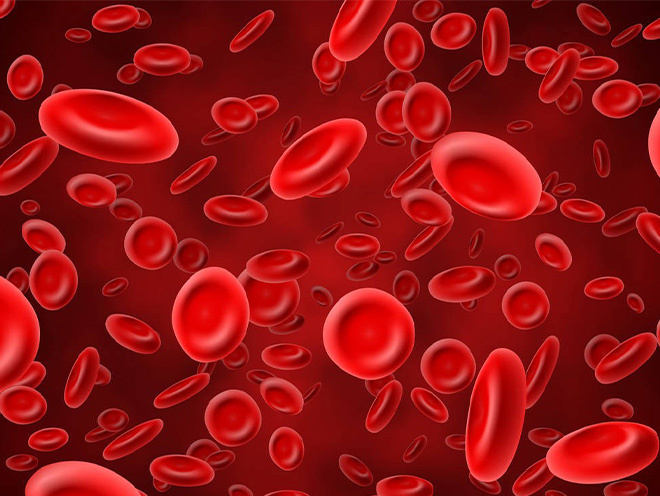
Leukemia is a clonal malignant disease caused by the abnormality of blood-forming stem cells. A large number of abnormal white blood cells, which have lost their ability of further differentiation and maturation and stay in different stages of cell development, are produced in bone marrow and other blood-forming tissues. These abnormal cells abundantly proliferate, accumulate and infiltrate other organs and tissues, meanwhile, inhibit the normal blood-forming functions. That is why leukemia patients always have symptoms like anemia, hemorrhage, infection and infiltration of other organs.

Incidence of Leukemia:

The incidence of leukemia accounts for a percentage of 2.5 among all the cancers. All over the world, about 47,150 people are diagnosed with leukemia every year, and 23,540 people die of leukemia yearly. Leukemia is the Top 1 pediatric cancer in incidence. Children between 0-4 years old are in the highest risk, and the incidences ratio between boys and girls is 7:5.

Common Types of Leukemia:
According to the source and morphological characteristics of the cells, leukemia can be divided into below types:
1、Acute myeloid leukemia: it is caused by the abnormal proliferation of myeloid white blood cells. It has the characteristic that abnormal cells in bone marrow rapidly proliferate affecting the production of normal blood cells.
2、Chronic myeloid leukemia: it is a clonal proliferative disease of blood-forming stem cells. Its major characteristics include bone marrow hyperplasia, peripheral blood leukocytes increase and enlargement of spleen.
3、Acute lymphoblastic leukemia: it is a kind of rapidly progressing leukemia caused when the lymphoblast uncontrollably proliferate and abnormally differentiate or its differentiation is obstructed, which result in formation of abundant immature white blood cells.
4、Chronic lymphocytic leukemia: it is a malignant cancer that affects lymph cells leading to immature differentiation of them. These immature lymph cells gather within bone marrow, inhibit its normal blood-forming function and spread in the body through blood.

For more knowledge about cancer, please click online doctors for consultation. 


Free Consultation
Patient's Name
Cancer type
Phone number/Whatsapp
Age
Email
Medical reports
Upload report (optional)
Contact us
Leukemia Traditional Treatment Methods
Surgical treatmentSurgery to remove cancerous tissue and clean cervical lymph nodes that may have metastasis.
Radiation TherapyRadiation therapy for follicular adenocarcinoma.
chemotherapyOften used as palliative therapy for inoperable or distantly metastatic advanced cancer.
Chinese treatmentTraditional Chinese medicine therapy can inhibit the development of cancer, improve the immune function of patients with thyroid cancer, and reduce the toxic and side effects of radiotherapy and chemotherapy.
Leukemia Treatment Technology
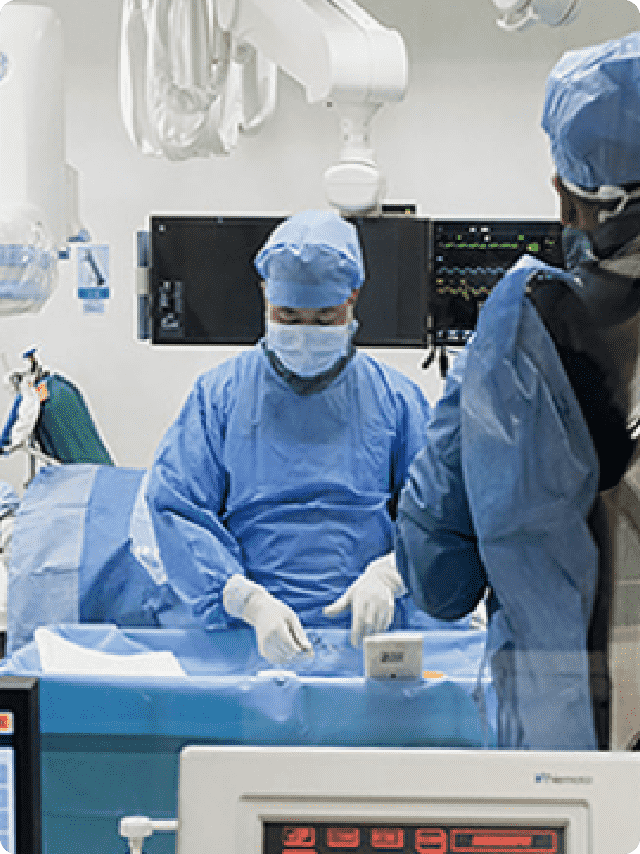
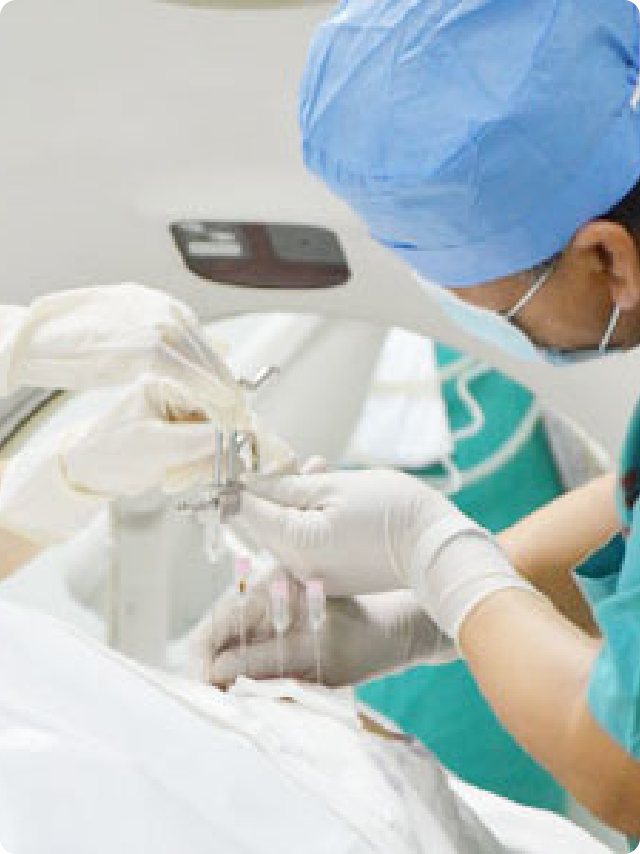
Interventional Therapy
Mainly used in liver cancer, lung cancer, breast cancer, colorectal cancer, cervical cancer, nasopharyngeal cancer, thyroid cancer, prostate cancer, gastric cancer and other solid tumors.
Interventional therapy is a mini-invasive therapy performed under the guidance of medical imaging equipments. With a 1-2 millimeter incision, paracentesis can be performed with the lead of medical imaging equipment....
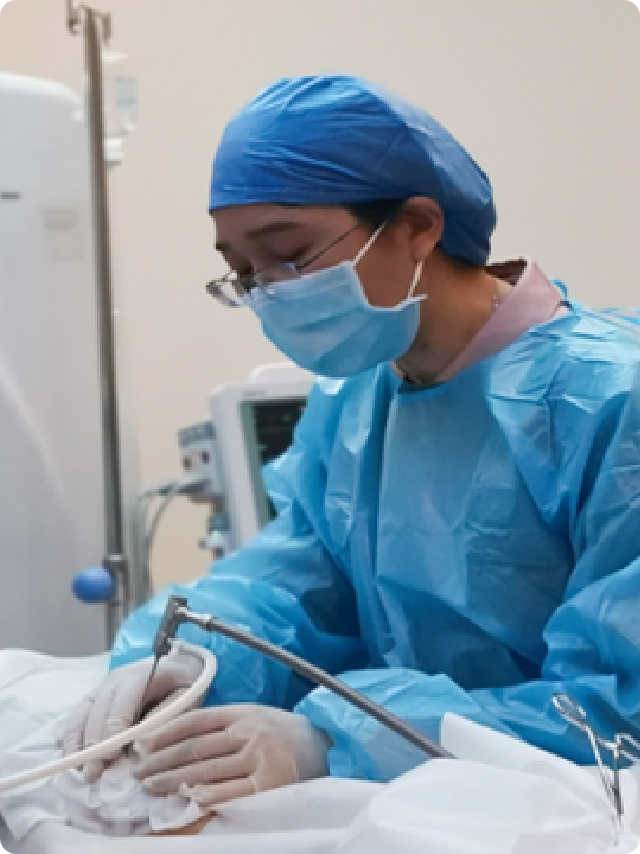
Cryotherapy
Cryotherapy
Liver cancer, lung cancer, breast cancer, colon cancer, cervical cancer, nasopharyngeal cancer, thyroid cancer, prostate cancer, stomach cancer and other solid tumor
Cryotherapy, also named cryosurgery therapy or cryoablation, is a medical technique both ancient and modern....
Combined Knife
Combined Knife
Liver cancer, lung cancer, pancreatic cancer, thyroid cancer, prostate cancer, kidney cancer, adrenal tumor and primary and metastatic solid tumors in various organs such as abdominal and pelvic tumor
Combined Knife, it’s not actual surgical knife, but a composite cryogenic freezing surgical system, which conduct cold and heat ablation treatment with liquid-nitrogen by one or more ablation needles, it’s called combined knife because of its accuracy. ...
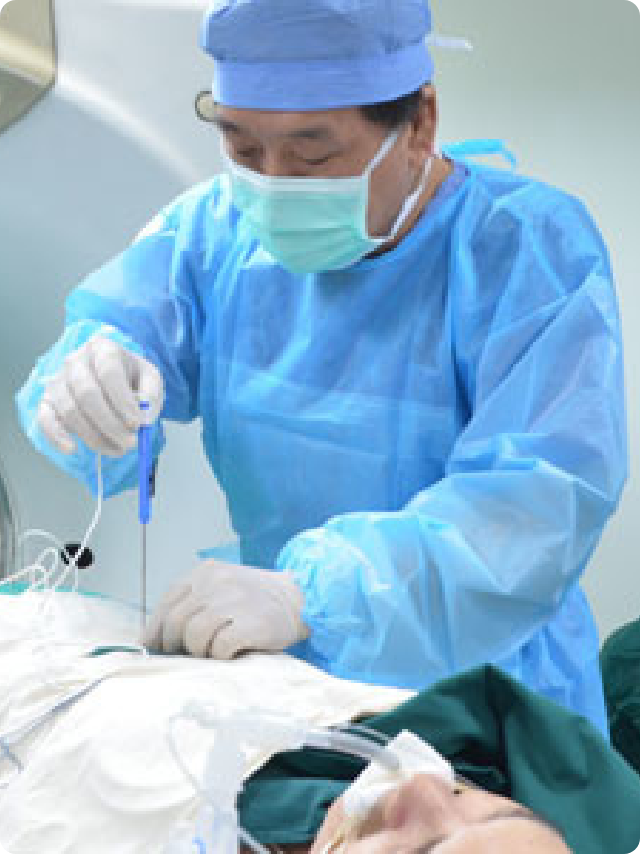
Nanoknife Technology
Pancreatic cancer, liver cancer, lung cancer, kidney cancer, prostate cancer and other solid tumors, especially for tumors near the hilar area, gallbladder, bile duct, pancreas, and ureter
Nanoknife is a brand-new cutting-edge ablation technology for tumor treatment. It breaks the membrane of tumor cells with high voltage pulses from electrode probes, resulting in multiple irreversible nano-meter electroporated holes, which is applicable to pancreatic cancer, liver cancer and other sol...
Particle Knife
Particle Knife
Lung cancer, prostate cancer, breast cancer, liver cancer, nasopharyngeal cancer, tongue cancer, carcinoma of parotid gland, carcinoma of tonsil, cervical cancer, endometrial cancer, etc.
Particle knife (also called 125I Seed Implants) is applied to a variety of primary and metastatic tumors nowadays. 125I seeds are some small iodine radioactive particles that can give off short-range γ-ray to kill tumor cells continuously. 125I seed implantation can achieve the same internal radiati...
DEB-TACE
DEB-TACE
Solid tumors such as Liver Cancer, lung cancer, breast cancer, colon cancer, cervical cancer, nasopharyngeal cancer, prostate cancer, stomach cancer, etc.
Drug-eluting beads transcatheter arterial chemoembolization (DEB-TACE) is an interventional therapy used in tumor treatment. It is a tiny sphere made of polymers or ceramics with a certain range of sizes and with anti-tumor drugs encapsulated inside. Its main function is to embolize the vessels suppl...
Radiofrequency Ablation
Liver cancer, lung cancer, breast cancer and other metastatic tumor
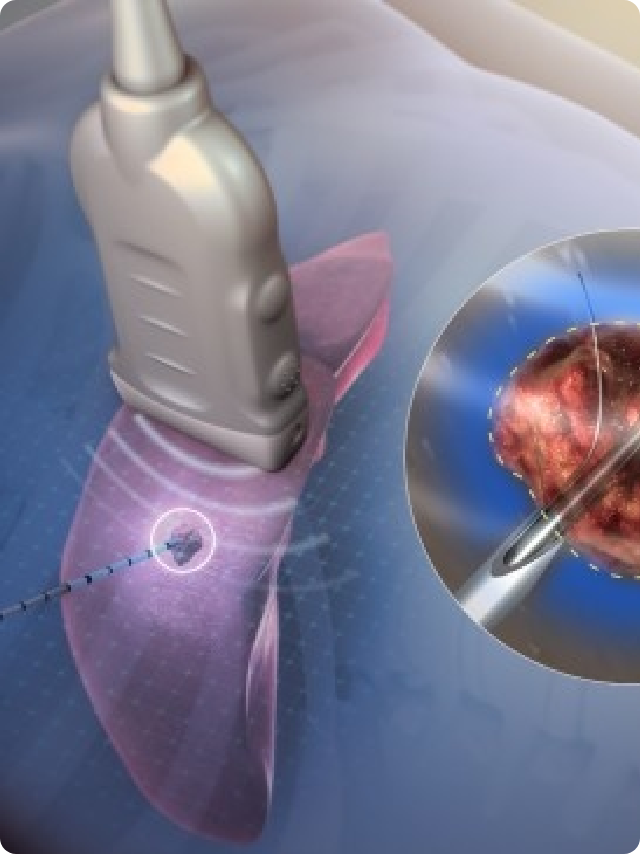
Radiofrequency ablation, sometimes referred to as RFA, is a minimally invasive treatment for cancer. It is an image-guided technique that heats and destroys cancer cells. Under the guidance of image, RFA, a physical method to inactive and kill the tumor, is performed with minimally invasive paracen...
Leukemia Patients’ Success Stories
Interventional treatment curbed the spread of prostate cancer and helped me get rid of the constraints of a urine catheter bag 11
Prostate cancer
Mr.Chen
Malaysiamore than 1 year
Mr.Chen was diagnosed prostate cancer, the local doctor suggested him to undergo a direct resection, but Mr.TING wanted to live a life like normal people, so he came to St. Stamford Modern Cancer Hospital Guangzhou for help....
From Brink To Rebirth: An Endometrial Cancer Patient’s International Medical Journey
Endometrial Cancer
FOO AI KIM
Malaysiaover 2 years
When life struck her with a series of devastating blows, 59-year-old Malaysian Chinese FOO AI KIM once believed she was nearing the final chapter of her life’s story. Yet, her cross-border journey for treatment—from Malaysia to China—ultimately turned the page to a brand new beginning. Sudden Onset of Illness: From “ Conventional Treatment ” to Abandoning Therapy In September 2024, FOO AI KIM, who had already entered menopause and stopped menstruating, suddenly experienced irregular periods with heavy bleeding. After being examined at a local hospital in Malaysia, doctors advised her to undergo an immediate hysterectomy. The postoperative pathological results came as a shock to everyone—endometrial cancer. Following the local conventional approach of “removing the problem when it arises”, she subsequently began a five-week treatment plan: five sessions of chemotherapy and 25 sessions of radiotherapy. (FOO AI KIM) However, the side effects of the treatment nearly crushed...
Tongue Cancer ≠ Tongue Removal|A Malaysian Chinese’s Miracle of Minimally Invasive Tongue Preservation Treatment
Tongue Cancer
Wu Wen Bor
MalaysiaOver 1 year
When 60-year-oldWu Wen Bordiscovered that a smalllumpon his tongue tip was a highly active cancer, he faced a brutal choice: undergo conventional treatment in Malaysia that could cost him his entire tongue, or travel to China in search of a glimmer of hope. His story is one of fear, courage, choice, and rebirth. Sudden Bad News| Cancer Strikes – Is “Tongue Removal” the Only Option? “The doctors said they had to remove my entire tongue. I was terrified.” In September 2024, Malaysian Chinese Wu Wen Borunexpectedly noticed a lump measuring approximately 2.21.5cm on his tongue tip. At first, he thought it was just ordinary inflammation, but the accompanying melanin deposition left him uneasy. He went to a local hospital for an excisional biopsy. The report hit him like a thunderbolt—tongue melanoma, with highly active cancer cells (Ki-67 50%). (The lump and melanin deposition on the tongue tip) After a brief recovery from the excisional biopsy at a local hospital in October 2...
A Miracle of 15cm Breast Cancer Tumor Regression: Modern Minimally Invasive Technology Rewrites the Fate of a Malaysian Stage IV Patient
Breast Cancer
Yip Woon Thing
MalaysiaMore than 2 years
Ye Wan Ting, from Malaysia, is a stage IV breast cancer patient. After being diagnosed in early 2025, her tumor grew and ulcerated, and local treatments showed no improvement. At the end of March, she came to Modern Cancer Hospital Guangzhou for integrated minimally invasive treatment. Two months later, her condition improved, and the tumor continued to shrink. ...
A Miracle of Life: The Story of a Malaysian Businessman’s Journey to Overcome Cancer from Afar
Nasopharyngeal Carcinoma
Tan Soy Mok
MalaysiaMore than 2 years
"There was a time when I felt my life was nearing its end. But at Modern Cancer Hospital Guangzhou, I saw hope again."...
Triumph Over Stage IV Nasopharyngeal Carcinoma: Breaking Free from Despair to Paint a New Canvas of Life
Nasopharyngeal Carcinoma
CHONG CHEE WEI
MalaysiaMore than 1 year
CHONG CHEE WEI, a 46-year-old man from Malaysia, first visited a local hospital in October 2023 due to persistent left-sided headaches. What he initially dismissed as routine fatigue turned into a life-altering diagnosis: nasopharyngeal malignant tumor with bilateral cervical lymph node metastasis, the largest lesion measuring 7.5 cm in diameter. ...
Reversal of a Critical Condition: 90% Tumor Clearance in Advanced Stomach Cancer through Integrated Minimally Invasive Therapy
Stomach Cancer
LEE YING NHOR
Malaysiamore than 1 year
Cancer Pain Haunts Daily Life: Failed Chemotherapy Leaving Patient Exhausted In July 2024, Ms. Lee Ying Nhor, a 69-year-old retiree living peacefully in Borneo, Malaysia, had her tranquil life disrupted by difficulty swallowing, loss of appetite, and abdominal pain. Within a few months, her minor discomfort escalated into severe weight loss, inability to eat normally, speech difficulties, and persistent abdominal pain that robbed her of sleep. After examination at a local Malaysian hospital, Ms. Lee was diagnosed with poorly differentiated squamous cell carcinoma at the gastroesophageal junction, classified as advanced stomach cancer. CT imaging revealed a tumor measuring approximately 5.4 * 3.5 cm at the gastroesophageal junction and around the cardia, with extensive lymph node metastases in the abdominal cavity—a highly malignant gastrointestinal tumor. (LEE YING NHOR) To seize the opportunity for treatment, Ms. Lee followed medical advice and underwent two sessions of systemic...
Integrated Minimally Invasive Therapy: Transforming a Lymphoma Patient's 'Balloon Face' into Smiles
Non-Hodgkin Lymphoma
Yoo Khee Chai
Malaysiamore than 1 year
After being diagnosed with mantle cell lymphoma, Malaysian patient Yoo Khee Chai sought alternative therapies due to concerns about the side effects of traditional chemotherapy, but these efforts were ineffective. The tumor continued to grow, resulting in a "Balloon shaped face" appearance. Following his transfer to Modern Cancer Hospital Guangzhou for Interventional therapy combined with natural therapy, the tumor significantly reduced after just two treatments, and his face largely returned to normal within a month. This minimally invasive treatment had few side effects and quick results, and Mr. Yoo and his wife very satisfied with both the efficacy of the treatment and the quality of service provided....
My 30-year-old Daughter Lost her Ovary and she Kept her Hope of Fertility after Minimally Invasive Interventional Therapy
varian cancer
Ms.BEH
MalaysiaSurvive l for more than 1 year
I’m BEH’s mom and we are from Malaysia. As a mother, I once thought that my daughter's future should be full of sunshine and laughter, but fate is like a sudden storm, sweeping us into the boundless darkness without any warning....
Minimally invasive treatment rewrites his fate to receive an rectostomy and recreates the power of integrative medicine
rectal cancer
Chan Khian Yap
Malaysiamore than 2 years
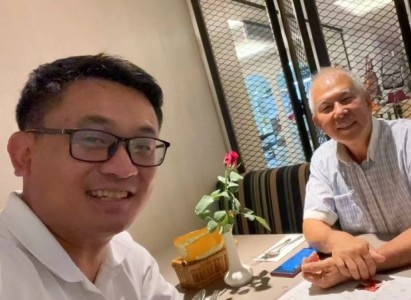
I’m Dato’ Ting Chiew Yew, Deputy Minister of Tourism of Sarawak, Malaysia, and a good friend of Mr. Chan Khian Yap. I would like to tell you about Mr. Chan Khian Yap’s story from the time he was diagnosed with cancer to his treatment in Guangzhou, China, until he regained his vitality....
Integrated Minimally Invasive Treatment Saved Me from Lung Cancer: Prolonging Life, Eating Well, and Sleeping Better
lung cancer
WONG CHUN WAI
MalaysiaSurvive for more than 1 year
My name is WONG CHUN WAI, I’m 51 years old from Selangor, Malaysia.At the beginning of May 2023, I was diagnosed with lung cancer. A few months later, I was told that I only had one year to live.........
Thanks to the integrated minimally invasive treatment, a 35-year-old Malaysian man is free from the trouble of a stoma for the rest of his life
Rectal cancer
CHAN KHIAN YAP
Malaysiamore than 2 years
CHAN KHIAN YAP, 35 years old, from Malaysia. He was diagnosed with rectal cancer in 2022 and refused the local hospital’s treatment plan of surgical resection and stoma. After interventional treatment + seed implantation at St. Stamford Modern Cancer Hospital Guangzhou, all the tumors were eliminated, and he got rid of the fate of carrying a stoma for the rest of his life!...
Oncologist & Doctors
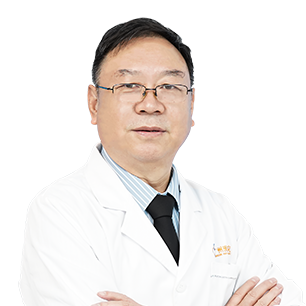
Song Shijun
Song Shijun
Chief Expert of Oncology DepartmentChief physician
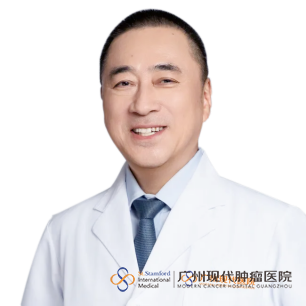
good at professional: Song Shijun, professor, chief physician, CPC member, has been engaged in clinical work of oncology for more than 40 years, and was the deputy director of medical oncology department of the Third Affiliated Hospital of Xinxiang Medical College. He specializes in chemotherapy, minimally invasive therapy, biotherapy and targeted therapy for various solid tumors, especially in the treatment of thoracic tumors such as esophageal cancer, lung cancer, breast cancer, lymphoma, etc. and digestive tumors such as gastric cancer, colorectal cancer and other tumors;...
Dai Wenyan
Dai Wenyan
Director of Oncology Department, Director of Breast Cancer CenterChief Physician
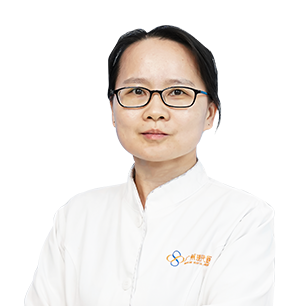
good at professional: She specializes in various minimally invasive treatments for tumors, especially chemotherapy, targeted therapy and various integrated minimally invasive treatment measures and individualized treatments for breast cancer, lung cancer, gastrointestinal cancer, and gynecological tumors....
Ma Xiaoying
Ma Xiaoying
Director of Oncology DepartmentAssociate Chief Physician
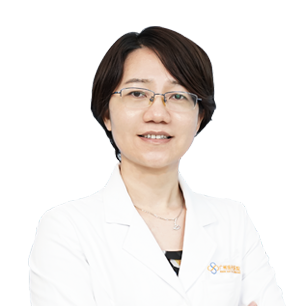
good at professional: Ma Xiaoying, more than 20 years experience of clinical work in oncology, and is currently a member of the Specialized Committee on Medical Oncology, Chinese Anti-Cancer Association (CACA ) and member of Specialized Committee of Tumor Endoscopy. She specializes in chemotherapy, endocrine therapy, molecular targeted therapy and immunotherapy for various malignant tumors, including digestive tract tumors, breast cancer, lung cancer, gynecological tumors, genitour and genitourinary tumors, as well as the treatment of advanced and refractory tumors. also familiar with the minimally invasive treatment of various malignant tumors. especially for the treatment of advanced and refractory tumors with rich clinical experience. meanwhile she has published many academic thesis in professional journals....
 Lin Jing
Lin Jing
Deputy Director, International Oncology WardAssociate Chief Physician
good at professional: Dr. Lin Jing has been engaged in clinical work in oncology for nearly 20 years and is currently a member of the Chinese Anti-Cancer Association. She specializes in minimally invasive targeted therapy, immunotherapy, chemotherapy, radiotherapy and endocrine therapy, and other comprehensive treatments for solid tumors such as breast cancer, esophageal cancer, gastric cancer, intestinal cancer, hepatocellular carcinoma, lung cancer, gynecological tumors, etc. She is also good at gastrointestinal examination, endoscopic jejunal nutritional tube implantation, and endoscopic photodynamic therapy. She is familiar with the principles of various minimally invasive treatments such as intervention, argon-helium cryotherapy, radiofrequency ablation, etc. She is skilled in the prevention of various tumor complications and the diagnosis and treatment of critical illnesses....
Wang Baoli
Wang Baoli
Oncology SpecialistAssociate Chief Physician
good at professional: Specialized in personalized comprehensive treatment for complex cancers including lung cancer, liver cancer, colon cancer, gastric cancer, esophageal cancer, ovarian cancer, and cervical cancer. Skilled in interventional minimally invasive therapy, chemotherapy, and combined targeted-immunotherapy....
He Jianyu
He Jianyu
Director of Minimally Invasive CenterChief Physician
good at professional: Oncologist, chief physician, a postdoctoral researcher of Imperial College London, with a doctorate from Shanghai Medical College Fudan University. He is a member of many academic associations in China. Having engaged in clinical oncology and researches in 3A hospitals for over 30 years....
Wang Ligen
Wang Ligen
Director of the International Medical Exchange CenterChief Physician
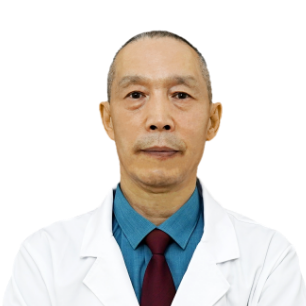
good at professional: Prof. Wang Ligen serves as a Visiting Specialist for Southeast Asia Lectures and Consultations at Modern Cancer Hospital Guangzhou. He is among China's first certified physicians for operating large-scale radiotherapy equipment (Linear Accelerator, LA) and a senior leader in radiation oncology. With over 40 years of clinical experience, he has witnessed the full trajectory of China's radiotherapy development—from its nascent stage to standardization and international dissemination. Leveraging profound clinical expertise and a global perspective, he has advanced the implementation of precision radiotherapy and minimally invasive treatment techniques across China and Southeast Asia, helping countless patients with advanced-stage cancer reclaim their lives....
Zhen Yanli
Zhen Yanli
Director of Radiology DepartmentAssociate Chief Physician
good at professional: Dr. Zhen Yanli has been engaging in the work of surgical treatment, medical imaging diagnosis and interventional therapy, taking the job as a tutor of graduate students for master’s degree, and serving as some advanced subject pace-setter and academ...
Yin Pingshan
Yin Pingshan
Distinguished expert of TCM OncologyChief Physician
good at professional: | Introduction Engaged in clinical work in Traditional Chinese Medicine Internal Medicine for 40 years and is a core member of Guangdong Province's key clinical specialty of traditional Chinese medicine (Nanfang Hospital) gastrointestinal department of traditional Chinese medicine. Specialized in integrating traditional Chinese and Western medicine to treat tumors, rich experience in individualized treatment of tumors under the guidance of the overall concept of traditional Chinese medicine and syndrome differentiation and treatment; Being proficient in traditional Chinese medicine, using targeted drugs according to different cancer types, and cooperate with radiotherapy and chemotherapy to reduce toxicity and increase effectiveness, relieve symptoms, and improve the quality of life of cancer patients; Providing comprehensive TCM treatment according to the course of the disease, and providing TCM rehabilitation, dietary therapy, exercise guidance, etc.At the same time, he is good at di...
Hu Ying
Hu Ying
Deputy Director of International Oncology WardAssociate Chief Physician
good at professional: Specialized in the minimally invasive treatment of various solid tumors, especially respiratory and digestive tract tumors such as lung, stomach, nasopharyngeal, esophageal, and intestinal cancers....
Leukemia Symptoms

Symptoms of Chronic Leukemia

1、In the early stages of chronic leukemia, symptoms may not appear for a long time, thus the patients cannot feel any discomfort. Doctors will usually find abnormal blood picture or splenomegaly (enlarged spleen) during a routine checkup or examinations for other diseases and then the patients are diagnosed with chronic leukemia.

2、When symptoms do appear, they are generally mild at first and progress gradually. Common symptoms of chronic leukemia may include: fatigue, low heat, excessive sweat or night sweats, weight loss for unknown reason, and hyperthyroidism, in addition, left upper abdominal distension and sensation of fullness after eating (due to enlarged spleen).

3、Patients with chronic leukemia often manifest as pale complexion, pale lips, and splenomegaly which is the most obvious symptom and which often has reached umbilical plane when patients visit a doctor, furthermore, tenderness in the lower part of sternum. Patients with advanced chronic leukemia will appear tiny red spots under the skin, mucous, and painless mass in the tissues of eye sockets and skull.

Symptoms of Acute Leukemia

1、Anemia: hematopoietic abnormalities of bone marrow leads to low number of both red blood cells and hemoglobin, thus anemia will be developed and half of the patients can develop severe anemia.

2、Fever: leukemia itself can cause fever, furthermore, due to decreased immunity, once pathogens invading body, thus it tends to cause infection and results in fever.

3、Bleeding: due to stasis and infiltration of the large number of leukemia cells in blood vessels, low number of platelets, coagulation abnormalities and infection, patients will appear scattered red spots, purpura or petechia from head to foot, nosebleed, gingival bleeding or excessive menstruation, furthermore, blurred vision resulting from fundus hemorrhage, coma and even death due to intracranial hemorrhage can be caused.

4、Gastrointestinal failure: it can result from agents used in chemotherapy and radiation therapy which will affect gastrointestinal function.

5、Hyperuricemia: it can be caused by chemotherapy, radiotherapy and application of cortical hormone, what’s more, with high concentration of uric acid supersaturated soon and precipitated, oliguria and anuria will be caused by extensive damage of kidney and the formation of uric acid stones.

Symptoms of Leukemia in Children

Symptoms of early leukemia in Children are pale complexion, fatigue, lassitude, loss of appetite, nasal bleeding or bleeding gums, etc.; few patients firstly manifest as fever and bone joint pain which is similar to rheumatic fever.

1、Anemia: it appears early and aggravates progressively, besides, it manifests as pale complexion, weakness, shortness of breath after activity, and tachycardia (too fast heartbeat).

2、Fever: it often occurs with uncertain types and mostly is irregular fever with no shivering. Leukemia fevers mostly manifest as low heat and antibiotic treatment is ineffective; secondary infections (respiratory tract infections, urinary tract infection, etc.) mostly are high heat.

3、Bleeding: main reasons of bleeding are firstly, leukemia cell infiltration thus bone marrow megakaryocyte will be inhibited, causing low number of platelet; secondly, impaired liver function causes insufficient production of fibrinogen, thrombinogen and accelerin; thirdly, capillary permeability increases. Most of bleeding occurs in the skin and mucous membrane, manifesting as purpura, petechia, nosebleed, gingival bleeding, gastrointestinal hemorrhage and hematuria, in addition, occasionally intracranial hemorrhage which is one of the important causes of death.

To know and identify the symptoms of leukemia can help patients detect it early and then get treatment in time.

For more knowledge about cancer, please click online doctors for consultation. 


Leukemia Diagnosis

What are detections for leukemia? Most people are inclined to know the detections of leukemia, for that can help to find out related symptoms and perform treatments in time.

Common Detections Of Leukemia

1、Blood routine examination. It is to take a little blood from finger or ear lobe to check the quantity of red blood cells, white blood cells and platelet, meanwhile to classify the white blood cells. Normally, juvenile blood cells (for short is juvenile cells) should not appear in peripheral blood. But when someone is suffering from leukemia, juvenile cells can be seen in blood routine test for they are released to peripheral blood while they are not differentiated and mature enough in bone marrow.

2、Routine examination for bone marrow. If it is suspected to have leukemia, bone marrow puncture test is necessary to count and classify all kinds of cells from bone marrow. Normally juvenile cells take not over 5% in bone marrow. But when one develops leukemia, his juvenile cells can increase at most 30% more, especially for acute leukemia of children, that can reach 80- more in bone marrow.

Bone marrow examination is a most weightily proof to diagnose leukemia. It is not difficult to detect leukemia by combing with clinical signs and physical examinations when this bone marrow examination indicating an obvious increase of juvenile cells in bone marrow. However, treatments would be different as the types of leukemia vary. Then further examinations should be taken to confirm the type of leukemia.

1、Immune typing examination. It generally has to take around 2 ml bone marrow to identify and classify the leukemia cells with a reagent named clonal antibody.

2、Cytogenetic examination. This examination also has to take about 2 ml bone marrow to know if any abnormality of leukemia essence and chromosomes. The prognosis usually would be poorer to the leukemia patients with chromosome disorder than those without chromosome abnormality.

3、Examination of cerebrospinal fluid is to confirm if leukemia cells encroach on brain and spinal system by drawing out a little cerebrospinal fluid from lumbar spinal canal of patient for chemical examination. If being encroached, that is what medically called leukemia of central nervous system.


Specialist from St. Stamford Modern Cancer Hospital Guangzhou figured out that, except what mentioned above, there are X-ray examination (including chest X-ray, skull X-ray and bone X-rays of limbs and so on) examination of ocular fundus, ECG(electrocardiogram), ultrasonic examination of liver and spleen, blood biochemistry, immune functions, related virus examination and so on. All those examinations can indicate that whether the main organs of patient are working normally and if any encroachment of leukemia cells occurs, which at the same time are the preparation and direction for further treatments.

For more knowledge about cancer, please click online doctors for consultation. 

Free Consultation
Patient's Name
Cancer type
Phone number/Whatsapp
Age
Email
Medical reports
Upload report (optional)
Contact us
Appointment Form
Online Consultation
[email protected]
BACKTOP
Leave a
message
Online ConsultationAppointment