Anal Cancer
Description
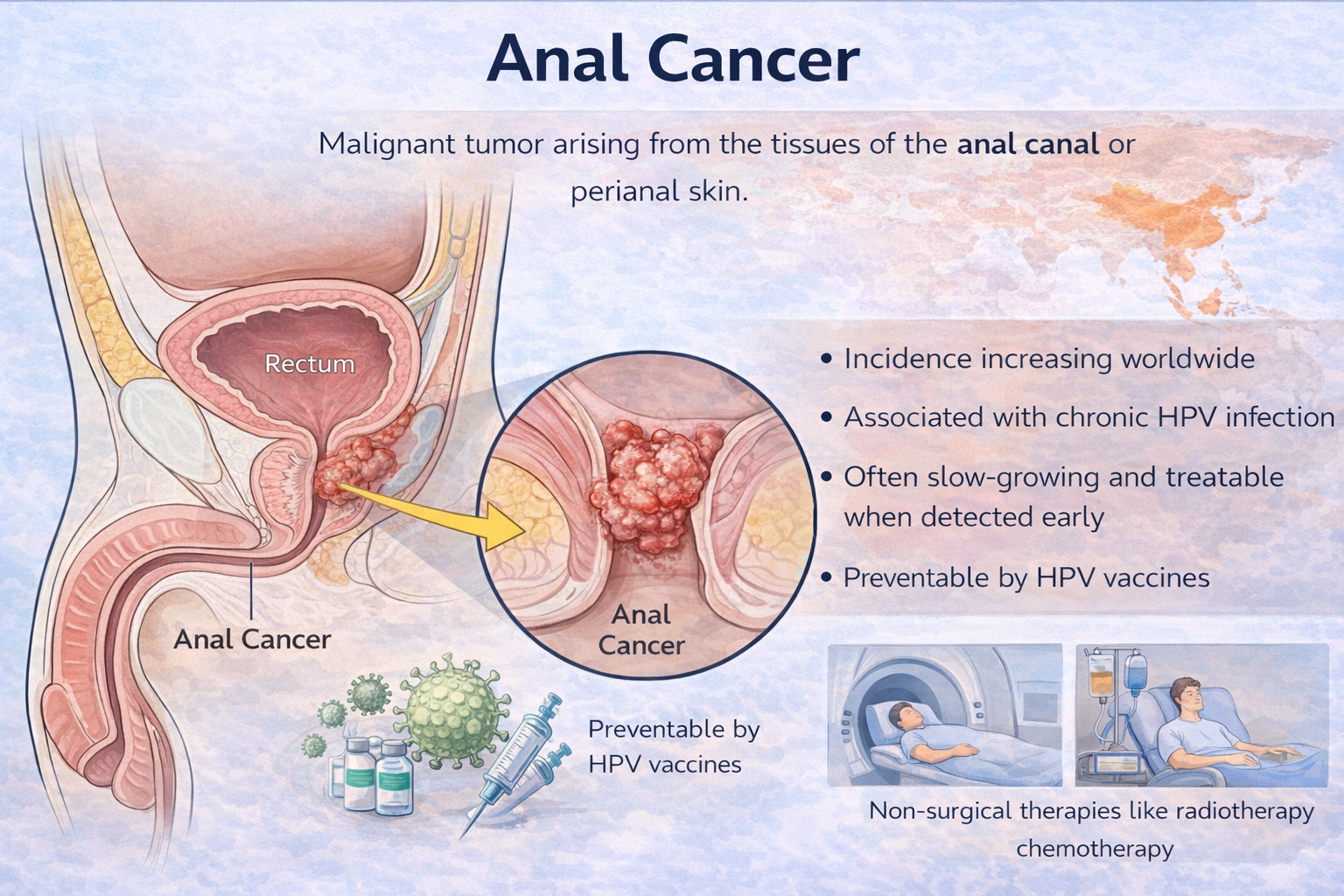
Anal cancer is a malignant tumor arising from the tissues of the anal canal or perianal skin. The anal canal is the short terminal segment of the gastrointestinal tract, extending from the rectum to the anus, and plays a key role in bowel continence.
Although anal cancer is relatively rare compared with colorectal cancer, its incidence has been increasing globally, particularly due to chronic infection with human papillomavirus (HPV). Most anal cancers are slow-growing and, when detected early, are highly treatable with non-surgical therapies.
Types
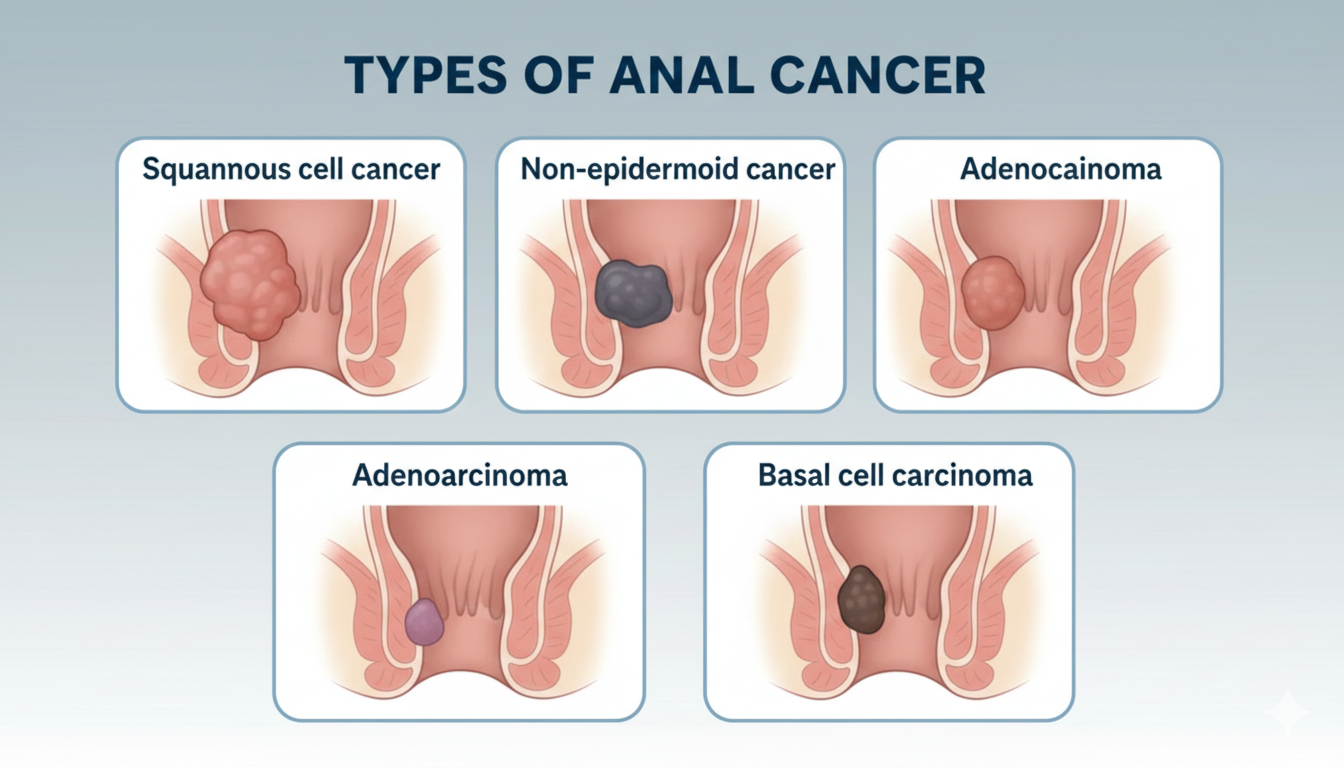
Anal cancer is classified based on the cell of origin:
Squamous Cell Carcinoma (SCC)
Most common type (≈85–90%)
Arises from squamous epithelium of the anal canal
Strongly associated with HPV infection (especially HPV-16)
Highly sensitive to chemoradiotherapy
Very rare but aggressive
Often diagnosed late
Poor prognosis
Neuroendocrine Tumors / Sarcomas
Stages
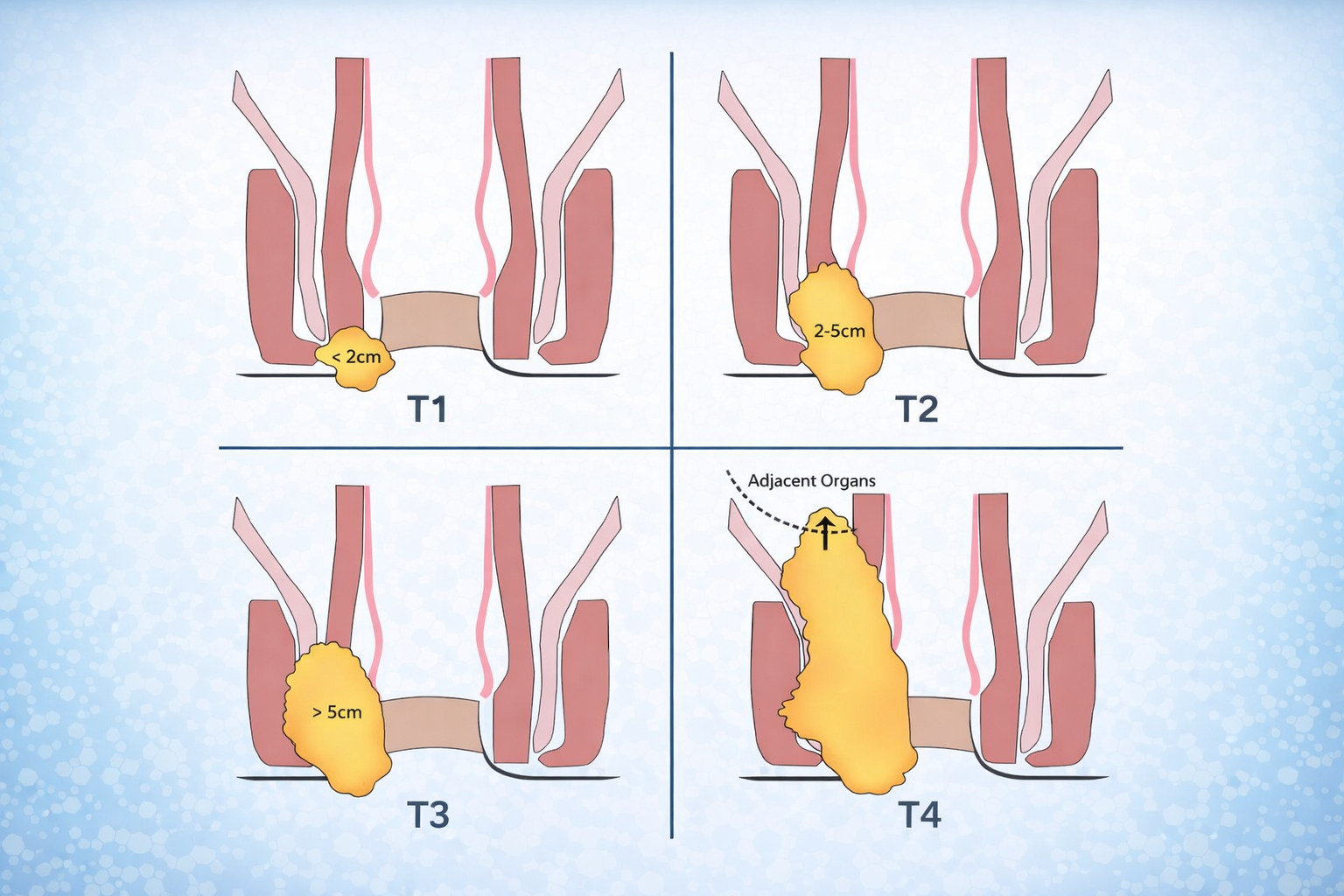
Anal cancer is staged using the TNM system, mainly based on tumor size and spread:
Stage 0 (Carcinoma in situ)
Tumor >2 cm
Still confined locally
Tumor size is more important than depth of invasion in anal cancer staging.
Risk Factors
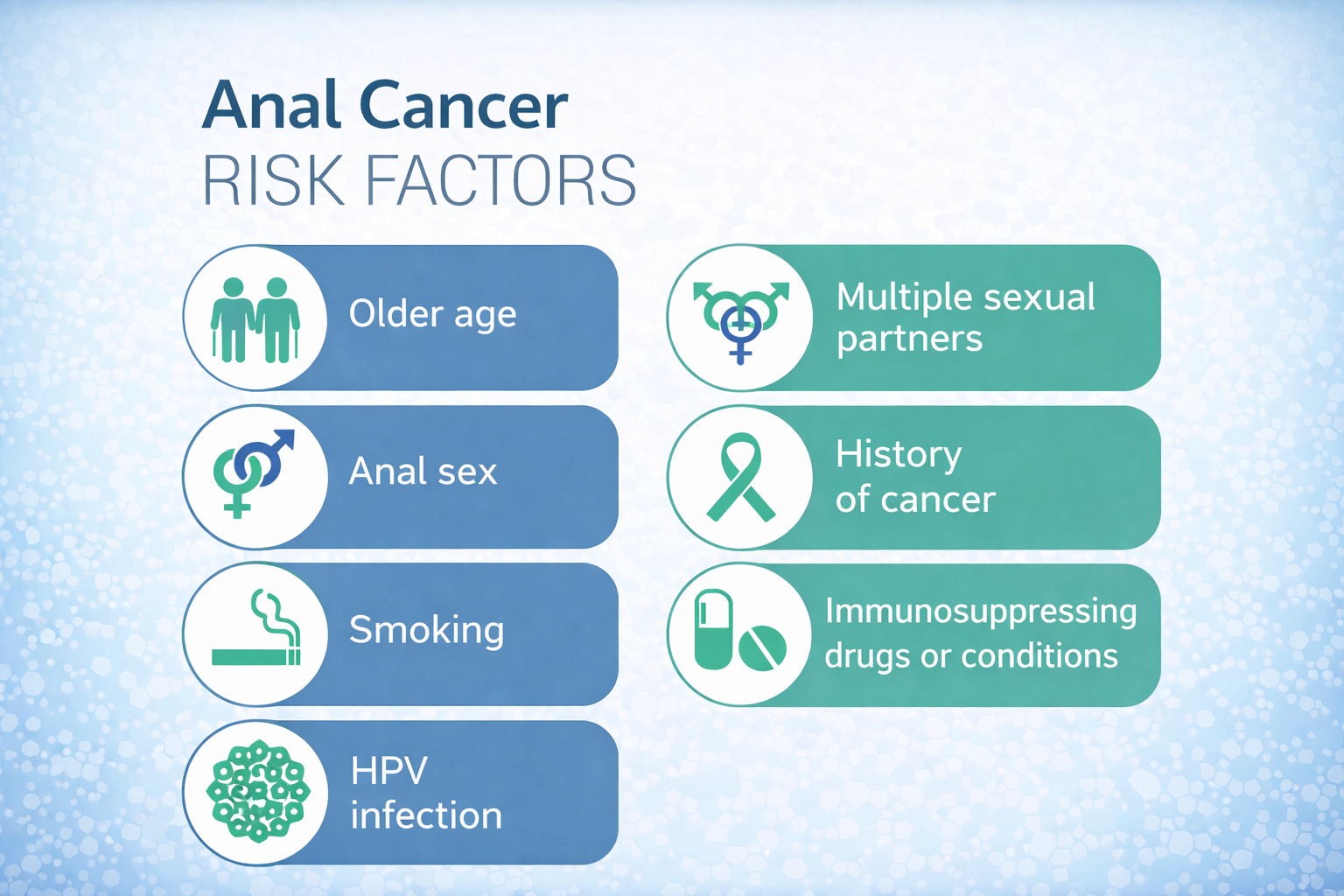
Major risk factors include:
HPV infection (most significant)
History of anal warts
Multiple sexual partners
Receptive anal intercourse
HIV infection / immunosuppression
Smoking
Chronic inflammation of the anal region
Older age (most cases >50 years)
History of cervical, vulvar, or vaginal cancer
Symptoms
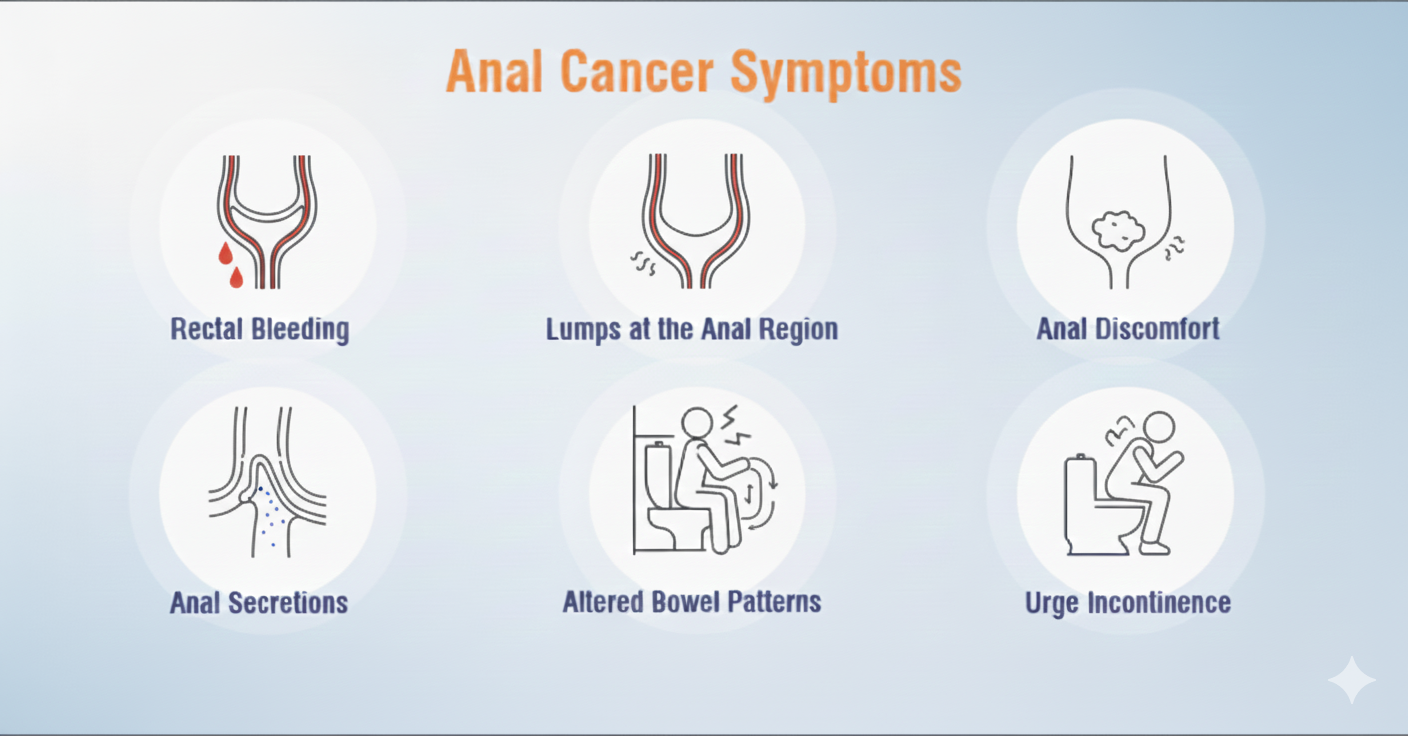
Symptoms are often mistaken for hemorrhoids, causing delayed diagnosis:
Rectal bleeding (most common)
Anal pain or discomfort
Sensation of a lump or mass
Itching or discharge
Changes in bowel habits
Tenesmus (feeling of incomplete evacuation)
Enlarged groin lymph nodes
Advanced cases: weight loss, fatigue
Persistent anal bleeding should always be investigated.
Diagnosis
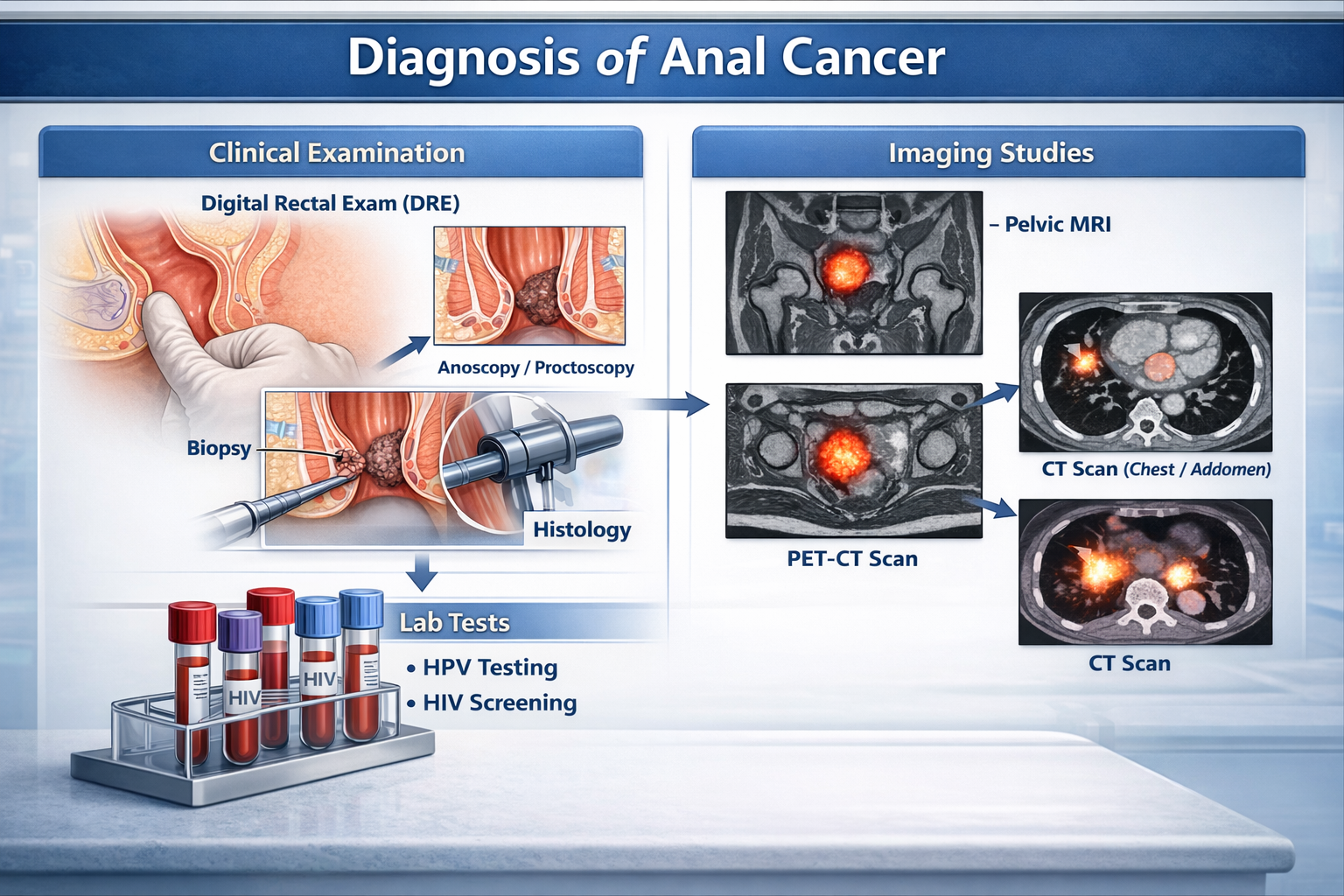
Diagnosis involves a combination of clinical, endoscopic, and imaging assessments:
Anoscopy / Proctoscopy
Biopsy (gold standard)
MRI pelvis → local tumor staging
CT chest/abdomen/pelvis → metastasis
PET-CT → lymph node involvement
Facts (FAQ)|常见问题
Q1: Is anal cancer the same as colorectal cancer?
No. Anal cancer differs in biology, staging, and treatment, and responds better to chemoradiotherapy.
Q2: Can hemorrhoids turn into anal cancer?
No, but symptoms may overlap. Persistent symptoms must be evaluated.
Q3: Is HPV always present in anal cancer?
Most cases are HPV-related, but not all.
Q4: Does anal cancer always require surgery?
No. Most patients are cured without surgery.
Q5: Can anal cancer be cured?
Yes. Especially when detected early.